




How does a cold storage compressor work?
 Nov 08, 2024|
 View:828
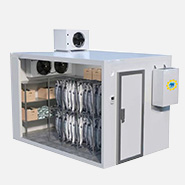
With the rapid development of the cold chain logistics industry, condensing unit cold rooms are playing an increasingly important role in food storage, pharmaceutical preservation, and other fields. As the core component of refrigeration systems, the performance and working principle of cold storage compressors have attracted much attention. So, how does a cold storage compressor work?
1. The importance of cold storage compressors
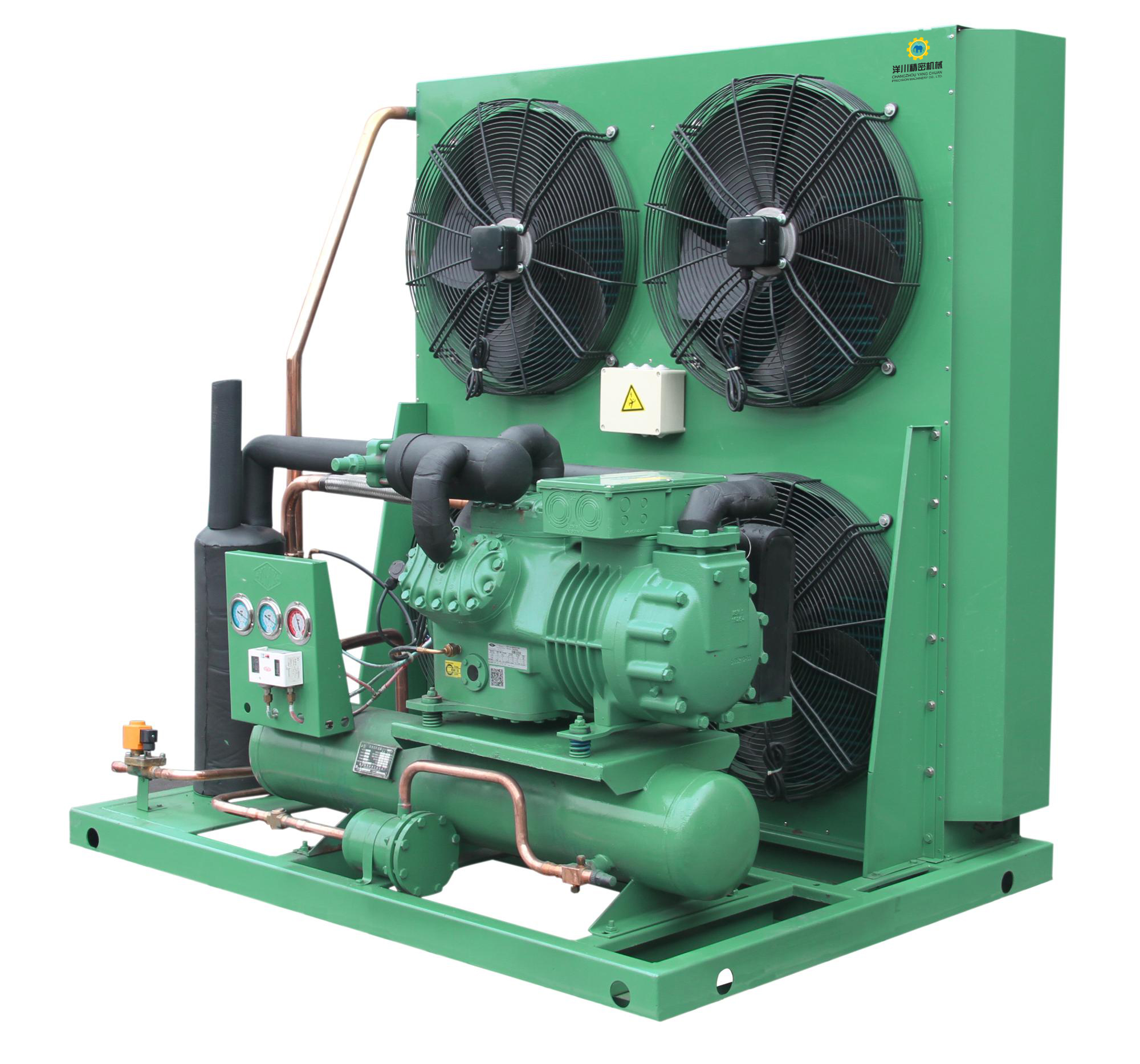
The cold storage compressor is the heart of the refrigeration system, responsible for compressing low-temperature and low-pressure refrigerant gas into high-temperature and high-pressure gas, providing power for the entire refrigeration cycle. Without efficient and reliable cold storage compressors, refrigeration cannot operate normally, and the quality of food and medicine cannot be guaranteed.

2. Overview of the working principle of cold storage compressor
The cold storage compressor achieves a refrigeration cycle by continuously inhaling, compressing, and discharging refrigerant gas. Its working process can be divided into three stages: suction, compression, and exhaust.
3. Inhalation stage
During the suction phase, the cold storage compressor sucks in low-temperature and low-pressure refrigerant gas through the inlet. These gases come from the evaporator inside the refrigerator, and the refrigerant in the evaporator absorbs the heat inside the refrigerator and becomes a low-temperature and low-pressure gas. The suction process of a cold storage compressor is similar to human respiration, drawing refrigerant gas into the cylinder of the compressor.
4. Compression stage
After the refrigerant gas is sucked into the cylinder, the cold storage compressor begins to compress it. During the compression process, the piston moves back and forth within the cylinder, compressing the refrigerant gas into high-temperature and high-pressure gas. This process requires a significant amount of energy and is typically powered by an electric motor. The temperature and pressure of the compressed refrigerant gas significantly increase, preparing for the next step of heat dissipation and condensation.
5. Exhaust stage
After the compression stage is completed, the high-temperature and high-pressure refrigerant gas is discharged into the condenser. The exhaust port of the cold storage compressor is connected to the condenser, and the compressed refrigerant gas is transported to the condenser for heat dissipation and condensation. During the exhaust process, the pressure and temperature of the refrigerant gas gradually decrease, becoming a high-temperature and high-pressure liquid refrigerant.
6. Collaborative work with condensing unit for cold room
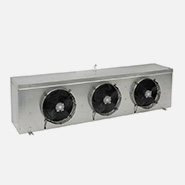
The condensing unit for cold room is an important component of the refrigeration system in a cold storage, which includes components such as condenser, expansion valve, and evaporator. The cold storage compressor and other components in the condensing unit work together to complete the refrigeration cycle.
The condenser in the condensing unit is responsible for dissipating and condensing high-temperature and high-pressure refrigerant gas into high-temperature and high-pressure liquid refrigerant. After being depressurized by the expansion valve, the liquid refrigerant becomes a low-temperature and low-pressure liquid refrigerant, which enters the evaporator to absorb heat from the refrigeration compartment, thereby achieving the purpose of refrigeration. The cold storage compressor continuously compresses the low-temperature and low-pressure refrigerant gas generated in the evaporator into high-temperature and high-pressure gas, driving the continuous operation of the refrigeration cycle.

7. Working characteristics of compressors in different types of refrigerated warehouses
At present, common cold storage compressors in the market include piston compressors, screw compressors, and scroll compressors. Different types of compressors have different working characteristics and applicable ranges.
The piston compressor has a simple structure and high reliability, but it produces loud noise and vibration. Screw compressors have the advantages of high efficiency, low noise, and low vibration, but they are relatively expensive. Spiral compressors have small volume, light weight, and high efficiency, but require high machining accuracy.
8. The impact of maintenance and upkeep on the operation of cold storage compressors
To ensure the normal operation of the cold storage compressor, regular maintenance and upkeep are necessary. The maintenance and upkeep includes cleaning the compressor, inspecting the electrical system, replacing lubricating oil, etc. Regular maintenance and upkeep can extend the service life of cold storage compressors, improve their work efficiency, and reduce operating costs.
As the core component of the refrigeration system, the cold storage compressor works by compressing low-temperature and low-pressure refrigerant gas into high-temperature and high-pressure gas through three stages of suction, compression, and exhaust, driving the continuous operation of the refrigeration cycle. The cold storage compressor and other components in the condensing unit work together to achieve the refrigeration function of the refrigeration warehouse. Different types of cold storage compressors have different working characteristics and applicable ranges, and users can choose the appropriate compressor according to their own needs. At the same time, regular maintenance and upkeep are crucial to ensure the normal operation of the cold storage compressor. If you need high-quality condensing units for cold rooms, YangChuan is your best choice.