




Blast Dreezer Cold Room For Chicken And Meat
|
|  |
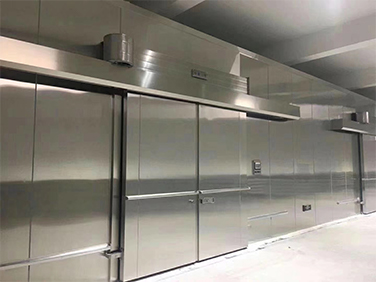
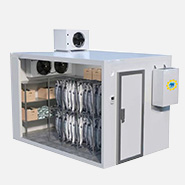
Blast freezer cold rooms are essential in the food industry, particularly for preserving chicken, meat, and other perishable goods. These specialized refrigeration systems rapidly lower the temperature of products to inhibit bacterial growth and maintain freshness, ensuring compliance with food safety standards. Below is an in-depth analysis of their features, applications, and advantages.
1. Technical Specifications and Design
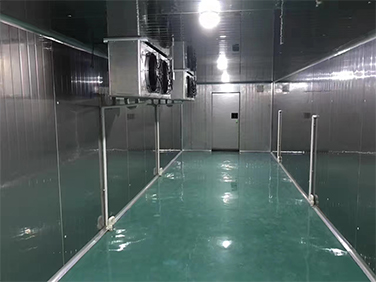
Blast freezers operate at ultra-low temperatures, typically ranging from -18°C to -40°C, with some models capable of reaching -60°C for deep freezing. Key components include:
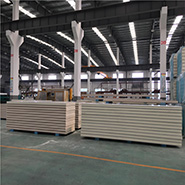
• Insulation Panels: Constructed from fireproof PU (polyurethane) panels with thicknesses of 50–200 mm, ensuring thermal efficiency and durability. Stainless steel or aluminum surfaces enhance corrosion resistance.
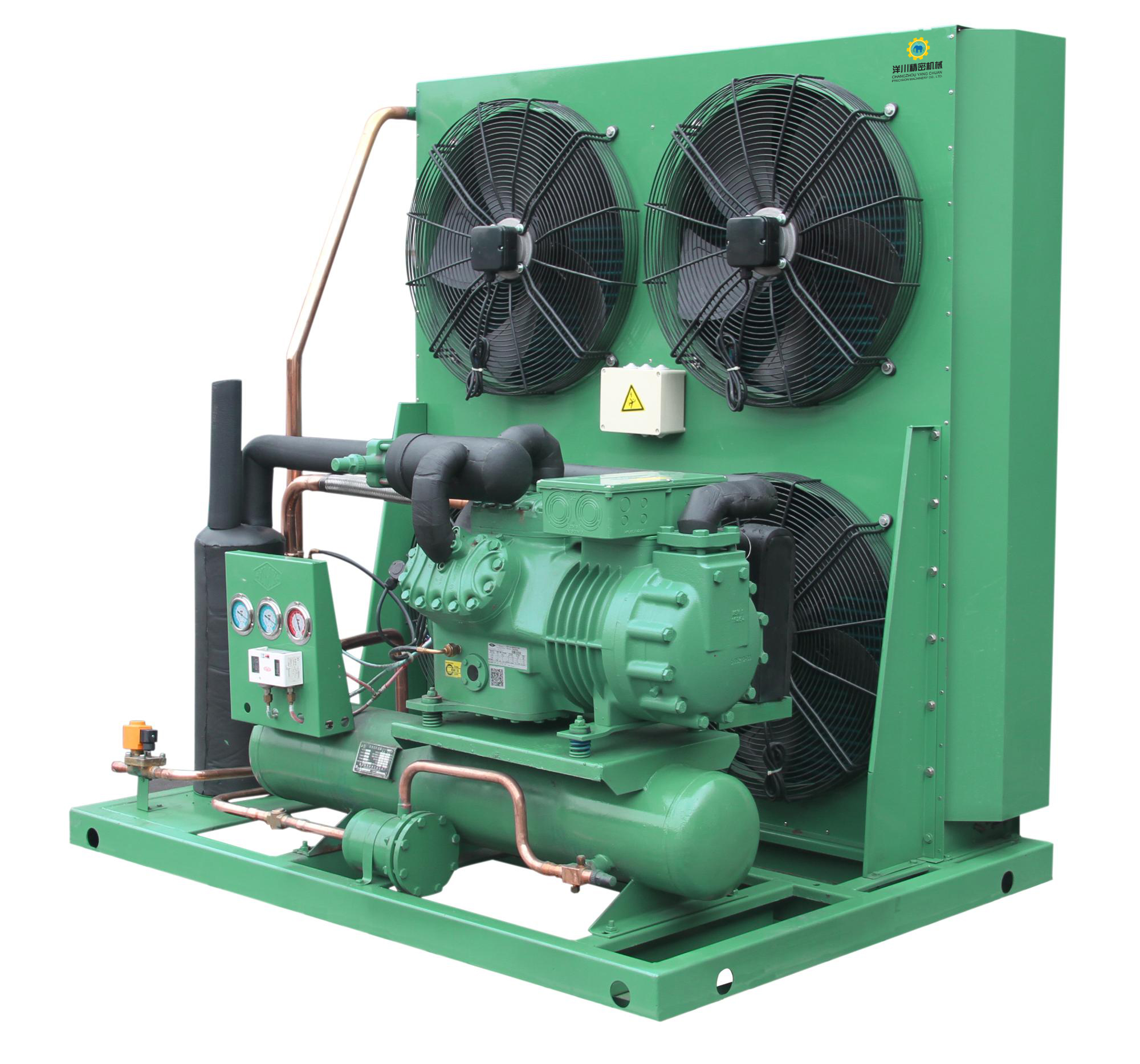
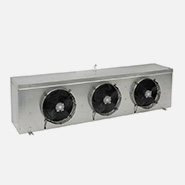
• Refrigeration System: Utilizes high-performance compressors (e.g., hermetic or semi-hermetic models) and refrigerants like R404A/R410A for rapid cooling. Air-cooled or water-cooled condensers adapt to different operational needs.
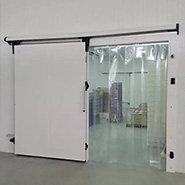
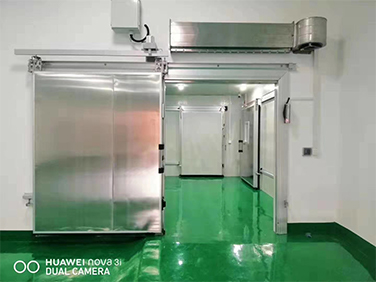
• Doors: Designed for perfect sealing, options include hinged, sliding, or automatic doors to minimize temperature fluctuations during access.
2. Core Applications
Blast freezers are critical in industries requiring large-scale preservation:
• Meat Processing: Used in poultry slaughterhouses and meat processing plants to freeze chicken, beef, and pork immediately after slaughter, locking in freshness and extending shelf life.
• Seafood Storage: Maintains the quality of fish, shrimp, and other seafood by preventing ice crystal formation.
• Prepared Foods: Ideal for freezing bread, pizza dough, and ready-to-eat meals, ensuring texture and flavor retention.
3. Advantages of Blast Freezer Technology
• Rapid Freezing: Achieves +90°C to +3°C in 90 minutes, reducing the risk of microbial growth and cellular damage.
• Energy Efficiency: Multi-compressor systems and intelligent controls (e.g., LCD temperature monitoring) reduce energy consumption by up to 30%.
• Scalability: Modular designs allow customization for small businesses (e.g., 3-ton capacity) to industrial facilities (e.g., 2,000-ton storage).
• Compliance: Meets HALAL and food safety standards, crucial for global export markets.
4. Operational Considerations
• Temperature Management: Maintain -18°C or lower for long-term storage (3–4 months) to preserve meat quality.
• Defrosting: Electric defrost systems prevent ice buildup without manual intervention.
• Maintenance: Regular checks on compressors, condensers, and door seals ensure optimal performance.