




Deep Dive into the Meat Cold Storage Room
 Sep 10, 2025|
 View:743
At its core, the purpose of a meat cold storage room is to slow down the natural processes of decay. This is achieved by manipulating three key environmental factors: temperature, humidity, and air quality.
Temperature Control: The primary weapon against microbial growth—bacteria, yeasts, and molds—is extreme cold. For long-term storage, meat is typically held at temperatures between -18°C and -23°C (0°F to -10°F). At these depths, microbial activity is virtually halted, and enzymatic reactions are dramatically slowed, preserving the meat's nutritional value, texture, and flavor for months. Short-term or "holding" storage, where product is kept before moving to retail, often operates at closer to 0°C to -2°C (32°F to 28°F).
Humidity Management: While cold prevents microbial growth, it introduces another challenge: moisture loss. If the air is too dry, it draws moisture from the meat surface through sublimation (where ice turns directly into vapor), leading to freezer burn. This desiccates the product, causing discoloration, a leathery texture, and significant degradation in quality. Modern cold storage rooms maintain high relative humidity (often 90-95%) to create a saturated environment that minimizes this moisture migration. Precise control is essential, however, as excessive humidity can lead to frost formation on evaporator coils and even surface ice on product packaging.
Airflow and Ventilation: Stagnant, cold air is ineffective. A well-designed room uses strategically placed evaporator fans and ducts to ensure consistent, gentle air circulation throughout the space. This uniform airflow eliminates warm spots, ensures even temperature distribution, and carries away respiratory gases emitted by the meat itself. Proper ventilation also helps manage the concentration of ethylene gas (if produce is stored nearby) and other volatile organic compounds that could affect flavor.
Anatomy of a Cold Storage Room: A Symphony of Engineering
Creating and maintaining this controlled environment requires a synergy of specialized components.
1. The Structure: Insulation and Vapor Barriers
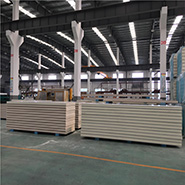
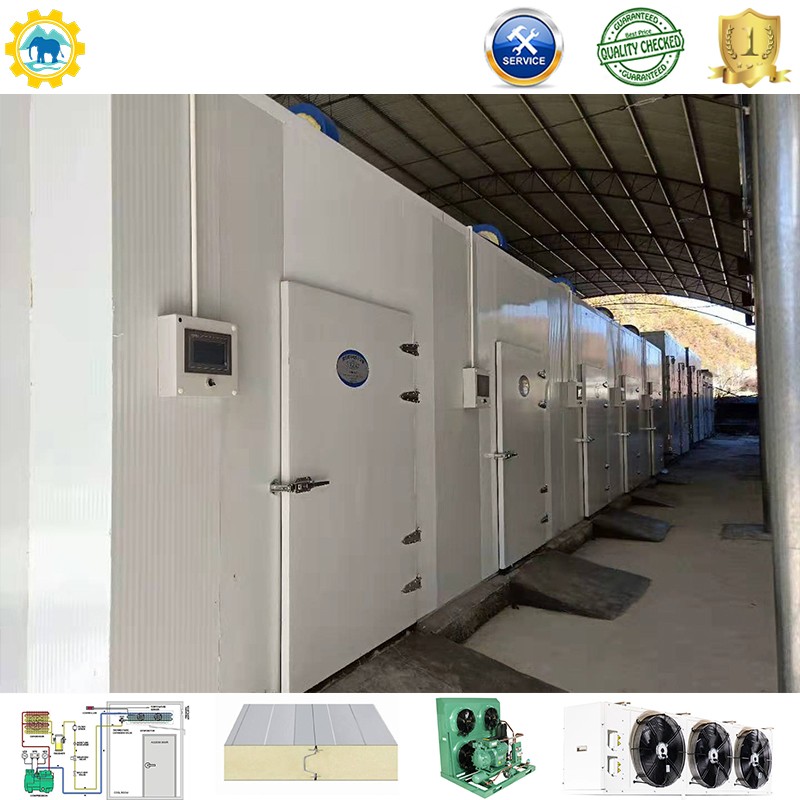
The walls, ceiling, and floor of a cold room are not ordinary. They are sandwich panels filled with high-density polyurethane (PUR) or polyisocyanurate (PIR) foam, offering exceptional thermal resistance (R-value). Perhaps even more critical is the continuous vapor barrier—a foil or special membrane—that lines the entire interior. This barrier prevents external moisture from infiltrating the insulation, where it would condense, freeze, and eventually degrade the panel's integrity and insulating properties.
2. The Refrigeration System: The Heartbeat
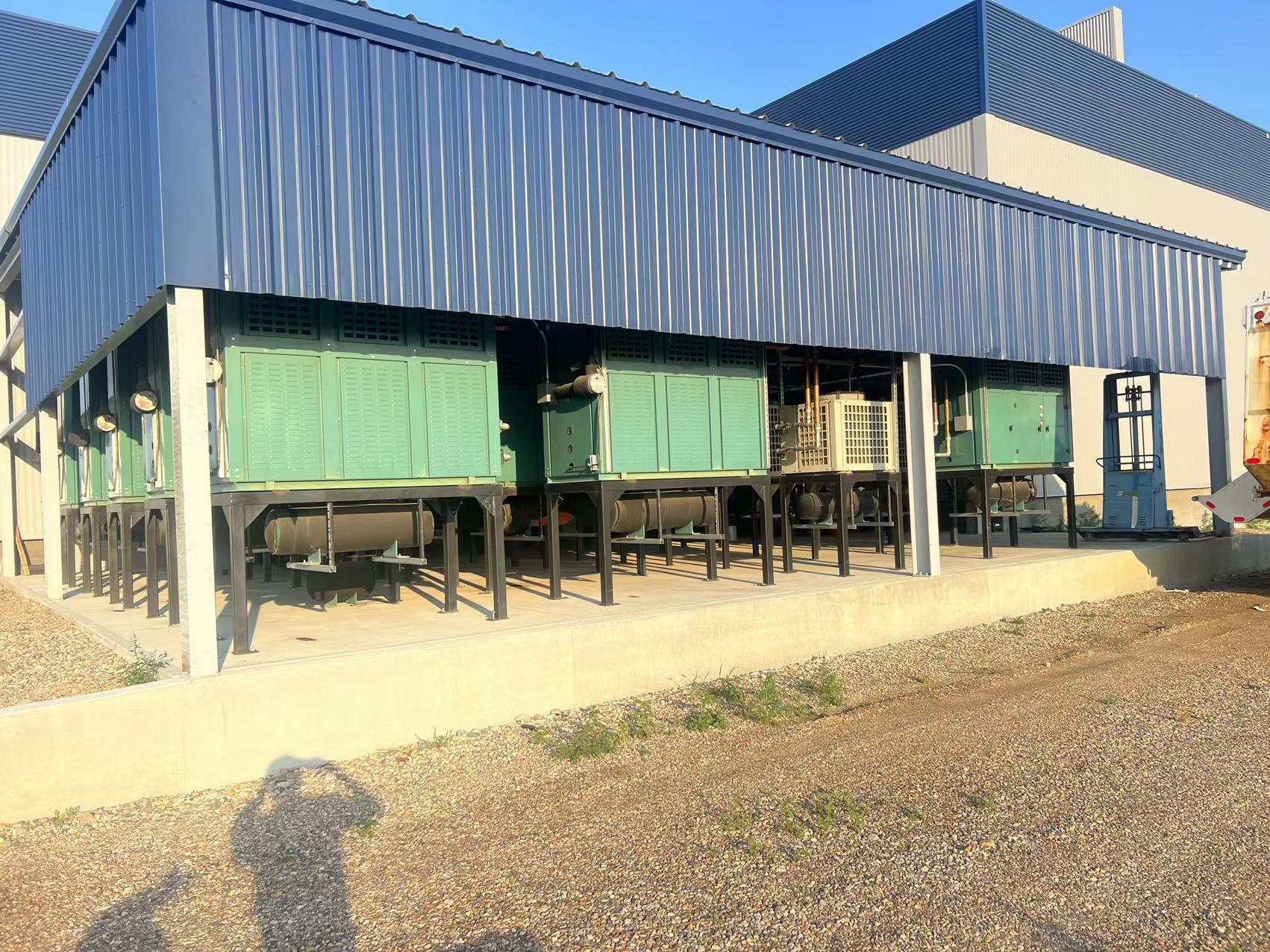
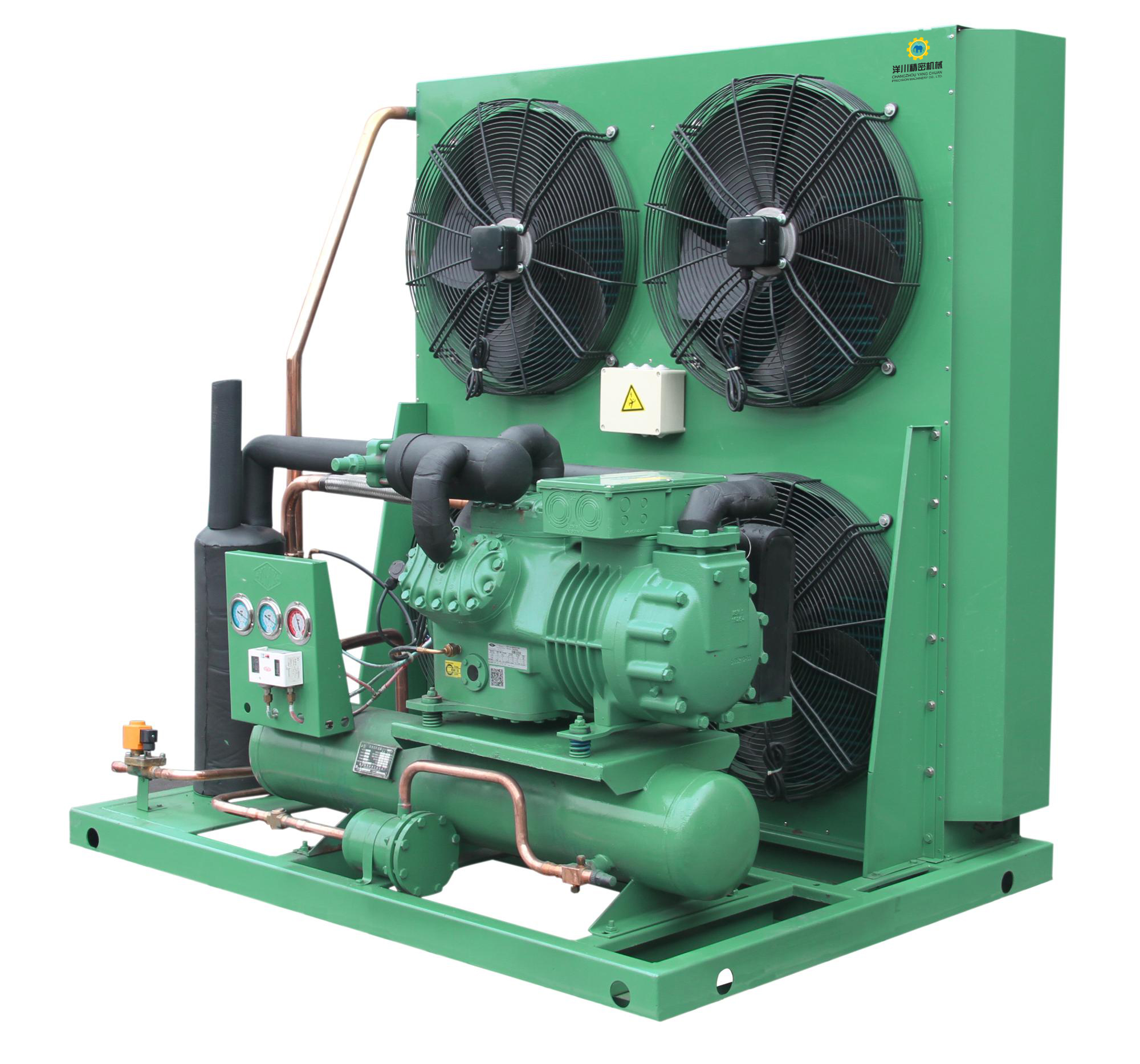
The refrigeration system is a complex assembly comprising a compressor, condenser, expansion valve, and evaporator coils. In the cold storage context, the evaporator unit is paramount. These are large, fan-forced coils suspended from the ceiling. They contain the refrigerant, which evaporates and absorbs massive amounts of heat from the room's air. The design of these units (size, fin spacing, fan speed) is tailored to the specific temperature and humidity requirements of the stored product.
3. The Door: The Guardian
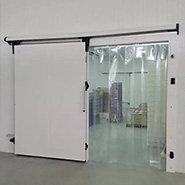
The door is a major point of energy loss and potential temperature fluctuation. Cold storage doors are heavily insulated, with robust gaskets to ensure an airtight seal. For high-traffic facilities, choices like rapid-action roll-up doors or plastic strip curtains are employed to minimize the duration of opening and the volume of warm, moist air entering the room.
4. Monitoring and Control Systems: The Nervous System
Modern cold storage is governed by sophisticated Building Management Systems (BMS) or dedicated refrigeration controllers. These systems continuously monitor temperature and humidity through networked sensors, triggering alarms at the slightest deviation. They log data for compliance with food safety standards (like HACCP, ISO 22000) and can often be accessed remotely, allowing for proactive management and swift response to any system faults.
Operational Excellence: The Human Element
Technology provides the tools, but protocols ensure their effective use.
Loading Protocols: A fundamental rule is to never load a room with warm product. Meat must be pre-cooled to near its target storage temperature before being placed inside. Introducing a pallet of warm meat is like placing a heating element in the room; it causes a massive temperature spike, stresses the refrigeration system, risks thawing adjacent product, and promotes condensation and frost growth on the evaporators.
Stock Management: First-In, First-Out (FIFO) is a sacred principle. Organized layout is crucial, not just for inventory tracking but for airflow. Pallets must be stacked with gaps between them and kept away from walls ("wall clearance") to allow cold air to circulate freely around the product, preventing isolated microclimates where temperature can rise.
Hygiene and Maintenance: Despite the cold, hygiene cannot be ignored. Regular cleaning and defrosting schedules are mandatory. Spills must be cleaned immediately to prevent them from becoming a fixed, contaminated ice mass. Frost buildup on evaporator coils acts as an insulator, reducing efficiency and increasing energy costs, so automatic or scheduled defrost cycles are critical.
The Broader Impact: From Farm to Fork
The cold storage room's significance extends far beyond its four walls.
Supply Chain Stabilization: It decouples production from consumption. Farmers and processors can produce meat year-round, storing it for steady distribution regardless of seasonal demand fluctuations. This stabilizes markets and prices.
Reducing Food Waste: By dramatically extending shelf-life, cold storage is one of humanity's most powerful tools in the fight against global food waste. It allows for the preservation of surplus product, which can then be distributed as needed.
Global Trade: Without reliable cold storage and the "cold chain" it anchors, the global trade of meat would be impossible. It allows countries to specialize in certain productions (e.g., Brazilian beef, New Zealand lamb) and export their products safely across oceans and continents.
The meat cold storage room is a masterpiece of modern food logistics. It is a space where physics, engineering, and meticulous operational discipline converge to perform a simple yet vital task: preservation. It operates in the background, a silent, frigid cathedral where time is slowed and quality is guarded. The next time you enjoy a steak, a roast, or any meat product, consider the journey it has taken and the sophisticated, cold embrace that ensured it arrived on your table safe, wholesome, and delicious. It is, without a doubt, an unsung hero of the modern world.