




How to Install and Operate a Mini Cold Storage?
 Dec 05, 2024|
 View:733
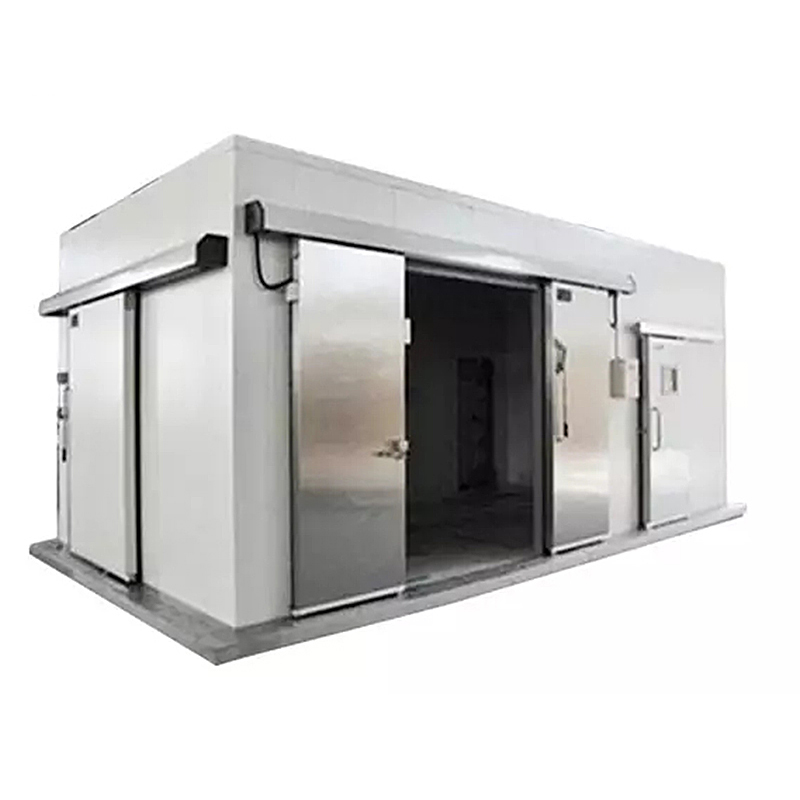
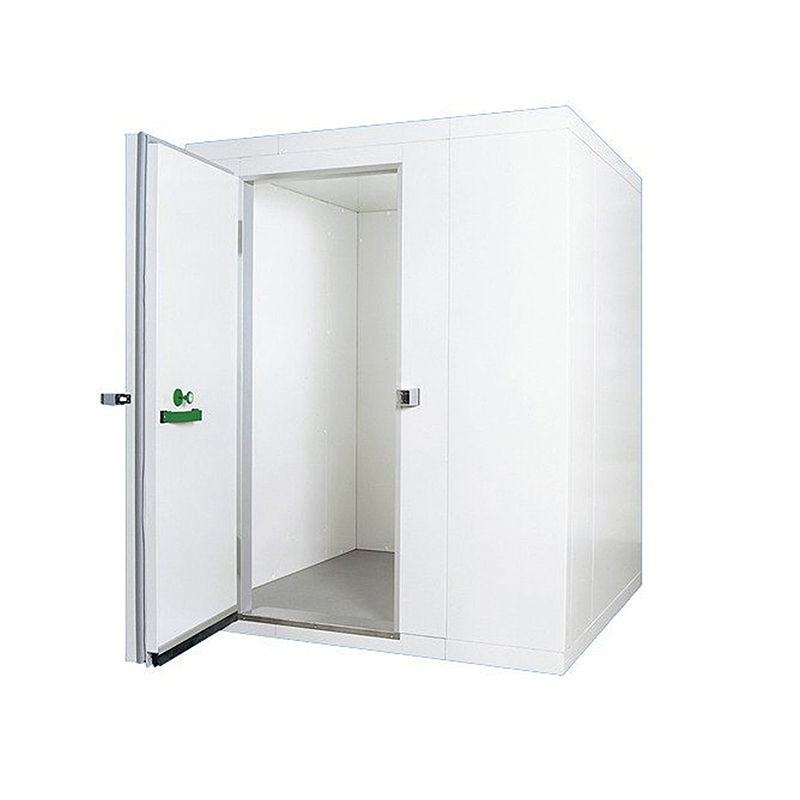
With the continuous development of industries such as logistics, food processing, and healthcare, the demand for mini cold storage, small cold storage, and mini cold rooms is increasing. These small refrigeration devices have the advantages of small size, easy installation, and low cost, and are widely used in supermarkets, restaurants, laboratories, clinics, and other places. So, how to install and operate a mini cold storage?
1. Installation Steps
Site selection requirements
Flat ground:Mini cold storage needs to be installed on a flat ground to ensure the stability of the cabinet. Uneven ground may cause the cold storage to tilt, affecting cooling efficiency and equipment lifespan.
Good ventilation: Choosing a location with good ventilation is beneficial for heat dissipation and the elimination of odors in the cold storage. Avoid installing in enclosed spaces or near heat sources, such as stoves, heaters, etc.
Stay away from heat sources: Keeping away from heat sources can reduce the cooling load of cold storage and lower energy consumption. At the same time, it can also avoid the instability of cold storage temperature caused by the influence of heat sources.
Easy to maintain: Choose a location that is easy to maintain for equipment inspection, repair, and cleaning.
Cabinet assembly (if it is a split type)
Assemble the various components of the cabinet according to the instructions. Pay attention to the sealing of the connecting parts to ensure that there is no leakage of cold in the cold storage.
During the assembly process, attention should be paid to protecting the surface of the cabinet to avoid scratches or collisions.
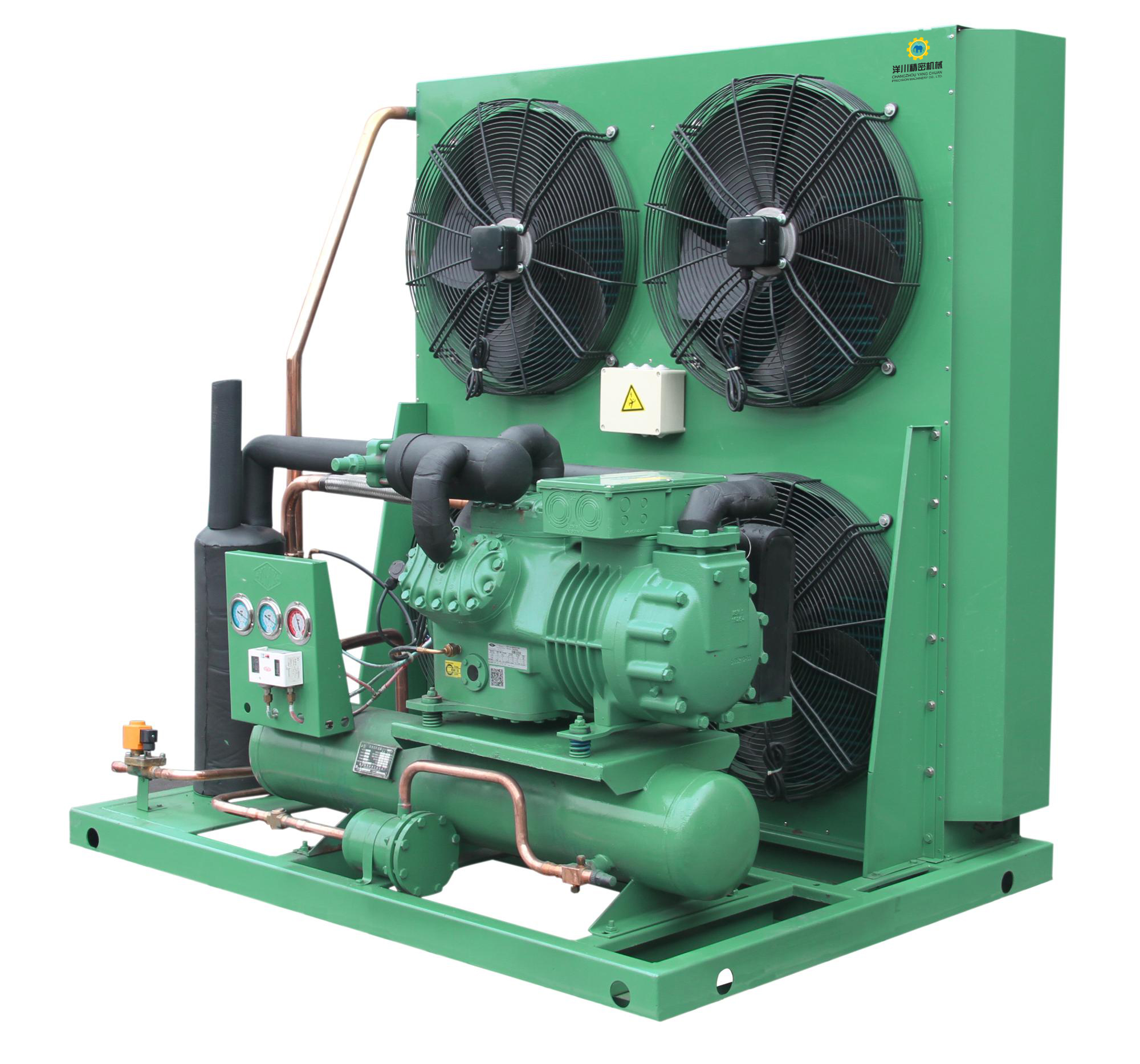
Connection and commissioning of refrigeration system
When connecting the refrigeration system, ensure that the pipeline connections are firm and well sealed. Use professional tools and materials to avoid leaks.
When debugging the refrigeration system, follow the instructions in the manual for operation. Firstly, check if the pressure, temperature, and other parameters of the refrigeration system are normal. Then, conduct a trial run to observe the cooling effect and operational stability of the cold storage.
Electrical installation specifications and safety precautions
Electrical installation must comply with relevant national standards and specifications. Please have a professional electrician install to ensure the safety of the circuit.
Install leakage protectors and overload protectors to prevent electrical accidents from occurring.
During use, it is important to avoid water or other liquids from entering electrical equipment to prevent short circuits or electric shock accidents.

2. Operation Instructions
Set temperature and humidity parameters
Set appropriate temperature and humidity parameters according to different storage requirements for items. Generally speaking, the temperature for food refrigeration is between 0 ℃ and 10 ℃, and the humidity is between 85% and 95%.
When setting temperature and humidity parameters, it is important to avoid setting values that are too high or too low, as this may affect the quality of the items and the operational efficiency of the cold storage.
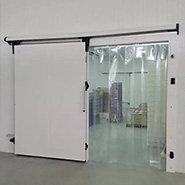
Correctly open and close the cold storage door
When opening and closing the cold storage door, it should be opened and closed gently to avoid excessive force that may damage the door or cause poor sealing.
Try to minimize the opening time of the cold storage door to reduce heat entering the cold storage and lower the cooling load.
When entering or leaving the cold storage, it is necessary to promptly close the cold storage door to prevent the leakage of cold air.
Start and stop the refrigeration system
When starting the refrigeration system, it is necessary to first check whether there are any items in the cold storage to avoid affecting the refrigeration effect due to the accumulation of items. Then, according to the instructions, start the refrigeration unit, fan and other equipment in sequence.
When stopping the refrigeration system, the refrigeration unit should be turned off first. After the temperature inside the cold storage rises to a certain level, the fan and other equipment should be turned off. This can prevent items from deteriorating due to sudden cessation of cooling.
Common errors and avoidance methods in operation
Common Error 1: Setting the temperature too high or too low. Avoidance method: Set temperature parameters reasonably according to the storage requirements of the item.
Common Error 2: Frequently opening and closing the cold storage door. Avoidance method: Try to minimize the number and duration of cold storage door openings.
Common Error 3: Stacking too many items in the cold storage. Avoidance method: Reasonably arrange the storage space in the cold storage to avoid stacking items too high or too dense.
3. Maintenance Tips
Regularly clean the condenser
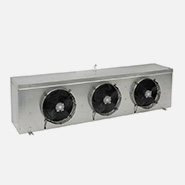
The condenser is an important component of a mini cold storage, responsible for heat dissipation. Regular cleaning of the condenser can improve refrigeration efficiency and reduce energy consumption.When cleaning the condenser, a soft bristled brush or vacuum cleaner can be used to remove dust and debris from the surface. If there is oil stains on the surface of the condenser, specialized cleaning agents can be used for cleaning.
Check the sealing of the refrigeration system
The sealing of the refrigeration system is crucial for the normal operation of the cold storage. Regularly inspect the pipelines, valves, and other parts of the refrigeration system to ensure good sealing and no leakage.
If a leak is found in the refrigeration system, professional maintenance personnel should be contacted promptly for repair.
Testing the accuracy of temperature sensors
The temperature sensor is a key component for controlling the temperature of a cold storage. Regularly testing the accuracy of temperature sensors can ensure that the temperature inside the cold storage remains stable within the set range.
When testing temperature sensors, a thermometer can be used for comparative measurement. If the temperature sensor is found to be inaccurate, it should be replaced in a timely manner.
Preliminary troubleshooting methods in case of malfunction
If there is a malfunction in the mini cold storage, the first step is to conduct a preliminary investigation. You can check whether the power supply is normal, whether the refrigeration system is running, and whether the temperature sensor is accurate.
If the initial investigation cannot determine the cause of the malfunction, professional maintenance personnel should be contacted in a timely manner for repair. Do not disassemble or repair the cold storage by yourself to avoid causing greater losses.
4. Summary
In summary, the installation and operation of mini cold storage requires attention to site selection requirements, cabinet assembly, refrigeration system connection and commissioning, electrical installation specifications, and safety precautions. In daily operations, it is necessary to correctly set temperature and humidity parameters, open and close cold storage doors reasonably, and start and stop the refrigeration system. At the same time, regular maintenance and upkeep should be carried out to ensure the normal operation and service life of the cold storage.
If you need high-quality and reasonably priced mini cold storage, small cold storage or mini cold rooms, YANGCHUAN is your most reliable choice. YANGCHUAN has a professional technical team and rich industry experience, which can provide you with high-quality products and services. Choose YANGCHUAN to make your item storage safer and more reliable.