




Selecting a Thermostatic Expansion Valve for Cold Storage: A Practical Guide
 Oct 30, 2026|
 View:12
Selecting a Thermostatic Expansion Valve for Cold Storage: A Practical Guide
Selecting a thermostatic expansion valve (TXV) for a cold storage system requires more than matching a nominal capacity. The valve must deliver the correct refrigerant flow at the actual design pressure difference, with the correct refrigerant, evaporating temperature, condensing temperature and evaporator load. The goal is a valve whose corrected capacity matches—or slightly exceeds—the evaporator duty without causing liquid floodback or insufficient feed.
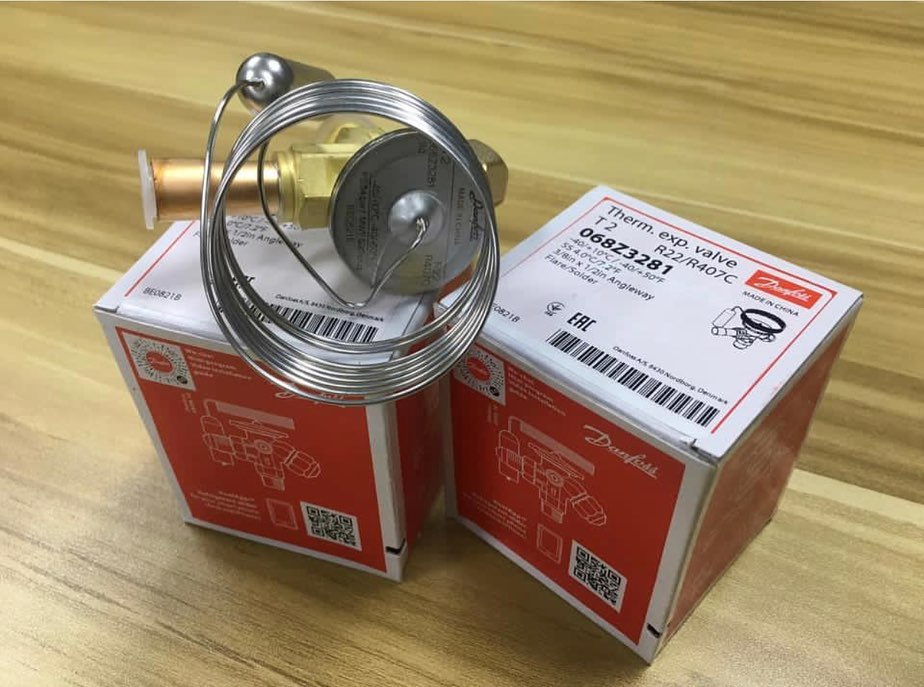
Start with four design parameters. First, confirm the refrigerant, because the valve’s thermostatic charge is matched to its pressure-temperature characteristics. R22 and R134a commonly use N-series valves; R404A/R507 use S-series; R407C uses Z-series. Second, define the evaporating temperature, which guides valve series selection. Third, establish the condensing temperature—about 45°C for air-cooled and 40°C for water-cooled condensers in preliminary estimates. Fourth, calculate the design evaporator load in kW.
Calculate the effective pressure difference. The available differential is:
ΔP = Pk − P0 − ΔP1 − ΔP2
where Pk is condensing pressure, P0 is evaporating pressure, ΔP1 is liquid-line pressure drop, and ΔP2 is distributor and capillary pressure drop, often about 150 kPa. Use this actual ΔP to read the valve’s corrected capacity from the manufacturer’s table—not the nominal rating at a standard differential.
Apply subcooling correction. Higher liquid subcooling increases valve capacity, so the required valve size may be smaller. Use the manufacturer’s correction factor for the actual subcooling. MOP (Maximum Operating Pressure) is generally unnecessary for standard cold storage but may be specified where compressor motor protection requires it.
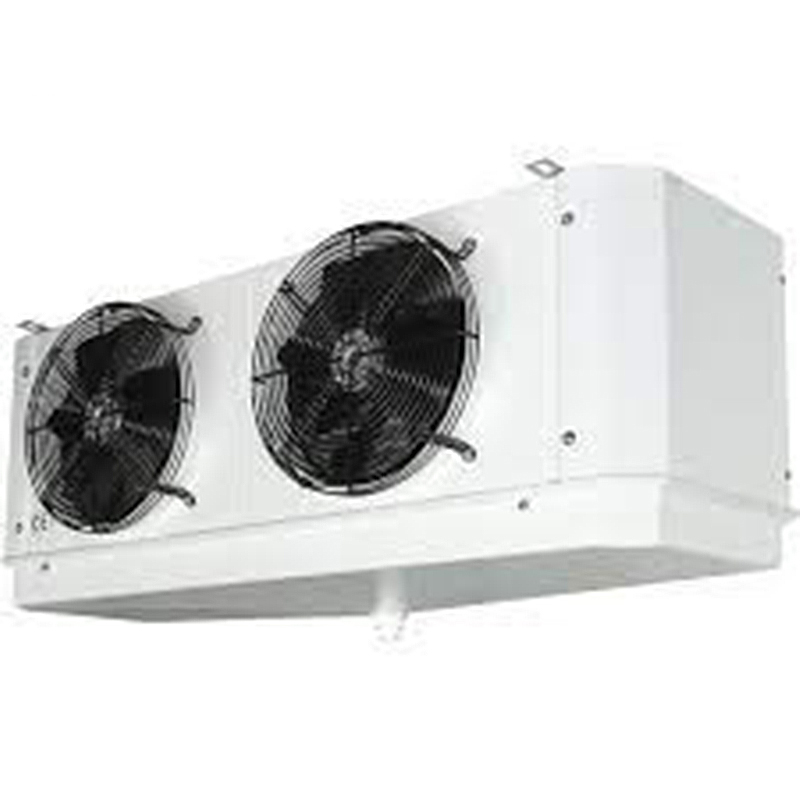
Choose the balance type. Internal-equalized valves suit small systems with low evaporator pressure drop. For cold storage, especially with air coolers or long pipe coils, external-equalized valves are preferred because the equalizing line compensates for evaporator and distributor pressure losses and improves superheat control.
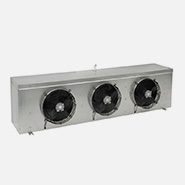
Allow capacity margin and check system matching. Select a valve with about 20% corrected capacity margin above the design evaporator load to accommodate operating fluctuations. Typically, one TXV serves one air cooler or two coil groups; for larger duties, use multiple valves rather than one oversized valve.
Use manufacturer software. Danfoss CoolSelector®2 and Emerson selection tools automatically calculate pressure differentials, apply corrections and shortlist suitable models. Avoid the common error of selecting by nominal capacity alone: a valve rated 10 kW at standard conditions may deliver only 6–7 kW at a lower cold-storage ΔP, causing severe underfeeding.
Frequently Asked Questions
What is the most important TXV selection factor? The corrected capacity at the actual pressure differential and refrigerant.
Is an external-equalized valve always required? No, but it is preferred for cold storage evaporators with significant pressure drop.
How much capacity margin is recommended? About 20% above the corrected design load.
Can one TXV serve multiple evaporators? Generally one valve serves one air cooler or two coil groups; larger systems should use multiple valves.
A disciplined TXV selection process improves refrigerant feed, superheat stability, compressor reliability and cold storage energy performance.
Recommended Products

Walk-in Cooler & Freezer, Cold Storage Warehouse

Custom Walk-in Refrigerator Cooler Freezer Food Storage Containers Cold Room

Custom Application Specific Walk in Coldroom For Sale

Cooling System Cold Storage panel Coldroom solar powered for fruits meat fish

Walk in coldroom store logistic warehouse blast freezer cold storage room for meat fish fruit and vegetable

Cold Room Price For Meat Fruits Vegetables Fish Portable Cold Rooms

Cold Storage Blast Freezer Room Walk In Cooler Storage Room For Meat

build & design Commercial Industrial Cold Storage room

Vegetable and Fruit Fresh-keeping Cold Room | Refrigerator Storage Room | Freezer Room Unit

Automatic Cold Storage Room Cool Freezing Refrigeration Freeze Cold Room


Recent News
1.Intelligent three - dimensional freezer has the following major characteristics
2019-10-282.Cold storage can be divided into the following types according to the structure of the storage body
2019-10-283.Main points of removing peculiar smell in cold storage
2019-10-284.Double - temperature cold room needs regular maintenance
2019-10-285.The process of freezing food
2019-10-286.Cold storage installation easy to be ignored
2019-10-287.Condenser action
2019-10-318.Compressor and condenser matching and selection
2019-10-319.Notes for compressor oil
2019-10-3110.Summary of common problems of Polyurethane Cold Room
2020-01-02