




The difference between common cold room and container cold room
 Aug 11, 2025|
 View:1035
Cold storage is essential for preserving perishable goods such as food, pharmaceuticals, and chemicals. Two common types of cold storage solutions are common cold rooms and container cold rooms. While both serve the purpose of maintaining low temperatures, they differ in design, mobility, construction, and application. This article explores the key differences between these two types of cold storage facilities.
1. Definition and Basic Structure
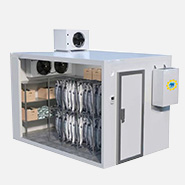
Common Cold Room
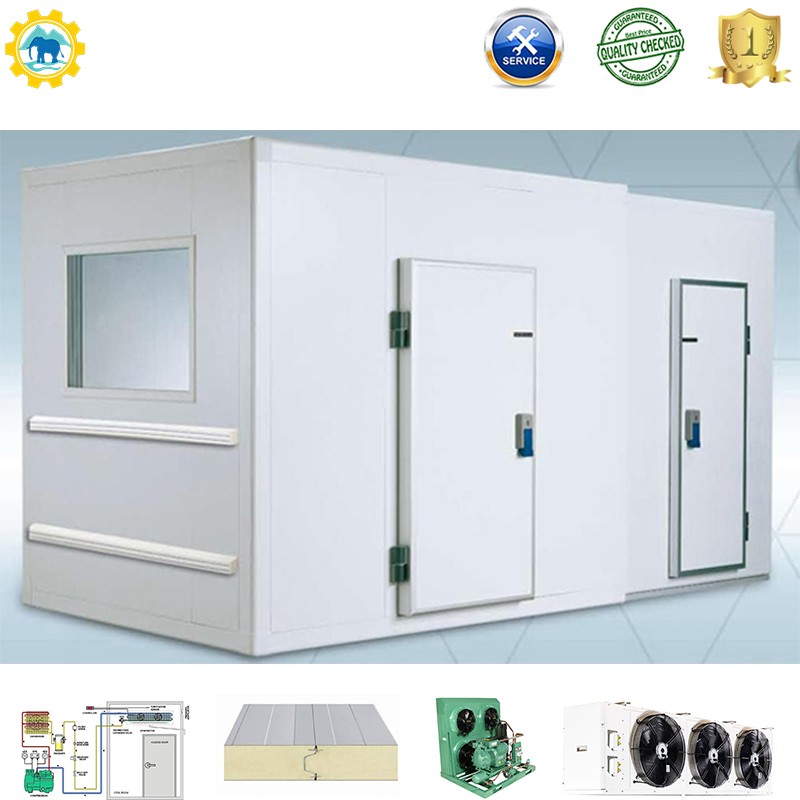
A common cold room (also known as a walk-in cold room) is a stationary refrigeration unit typically built inside a warehouse or a dedicated facility. It consists of:
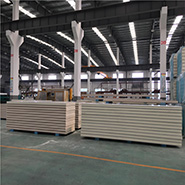
Insulated panels (made of polyurethane or polystyrene)
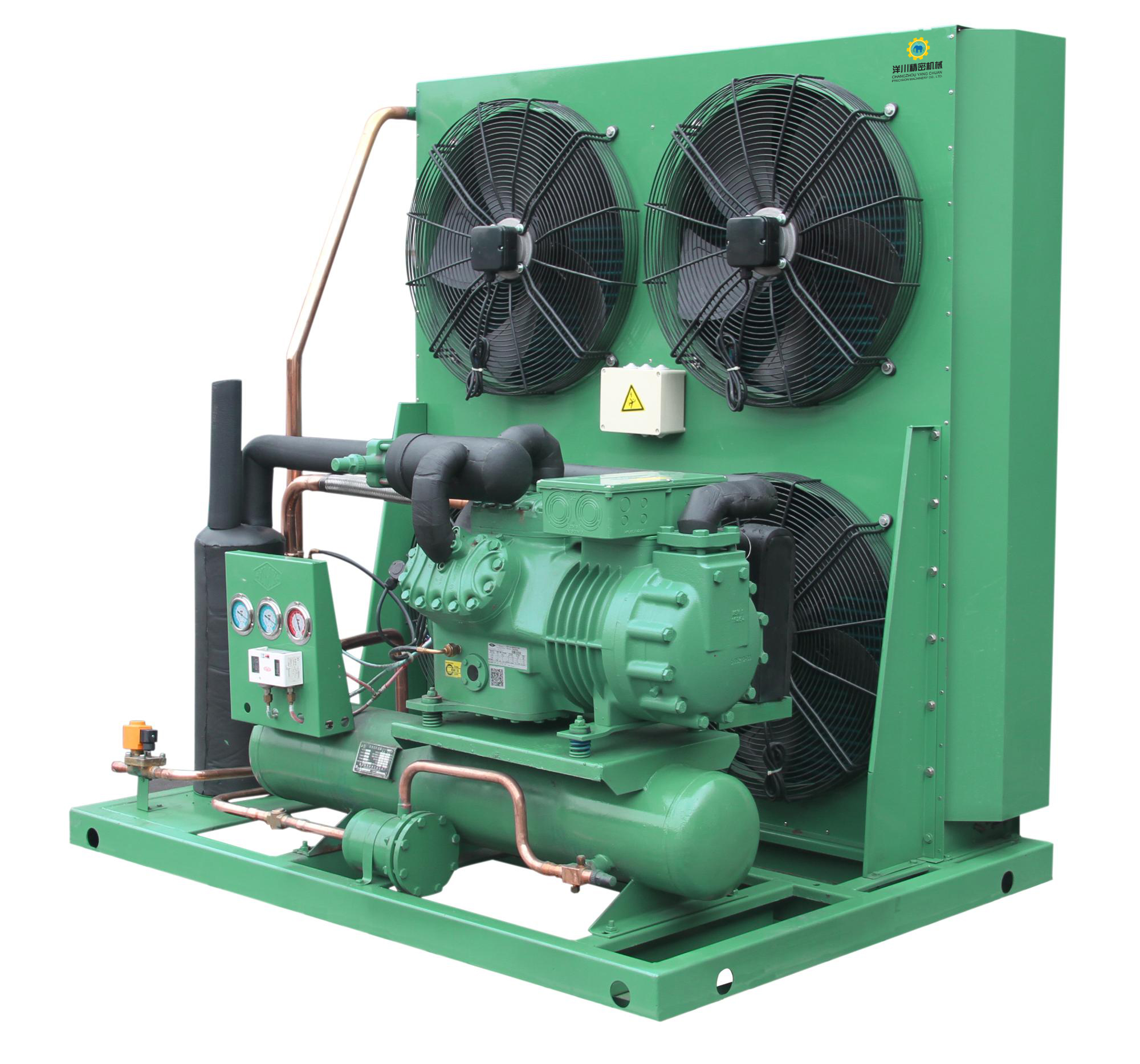
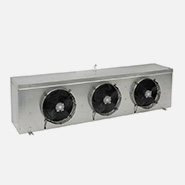
Refrigeration system (compressor, condenser, evaporator, and expansion valve)
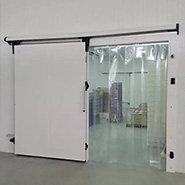
Door system (sliding or hinged doors with airtight seals)
Flooring (often reinforced for heavy loads)
These cold rooms are custom-built to fit specific dimensions and temperature requirements.
Container Cold Room
A container cold room (also called a reefer container or cold storage container) is a portable refrigeration unit built inside a shipping container. It includes:
Standard ISO container frame (20ft or 40ft in length)
Insulated walls (similar to common cold rooms but pre-fabricated)
Integrated refrigeration unit (often mounted on one end)
Electrical and control systems (designed for easy transport)
Unlike common cold rooms, container cold rooms are prefabricated and can be transported easily.
2. Mobility and Installation
Common Cold Room
Fixed installation: Built on-site and not easily relocated.
Requires construction: Needs proper flooring, insulation, and electrical setup.
Long-term use: Best suited for permanent storage needs.
Container Cold Room
Portable: Can be moved using trucks, ships, or cranes.
Plug-and-play: Requires minimal setup—just connect to a power source.
Temporary or permanent use: Ideal for seasonal storage, remote locations, or mobile cold storage needs.
3. Temperature Control and Efficiency
Common Cold Room
Customizable temperature zones: Can be designed for multiple compartments with different temperatures.
Better insulation: Thicker walls and better sealing reduce energy loss.
Higher energy efficiency: Optimized for long-term use with lower operating costs.
Container Cold Room
Limited temperature range: Typically operates between -30°C to +30°C.
Less insulation efficiency: Due to standard container dimensions, heat exchange may be higher.
Higher energy consumption: Especially when frequently moved or exposed to extreme external temperatures.
4. Applications
Common Cold Room
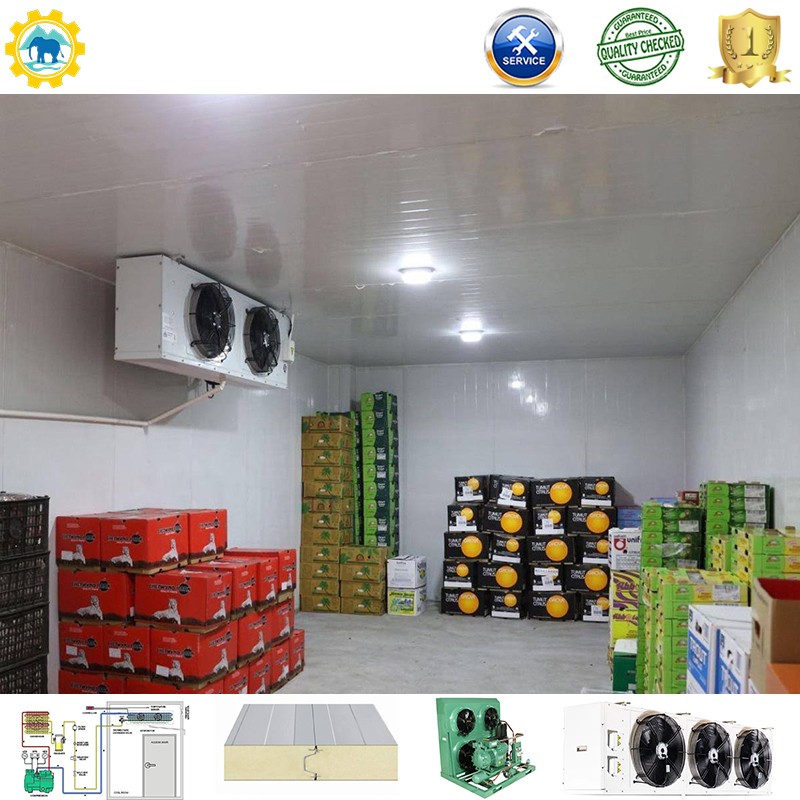
Supermarkets & restaurants: For storing fresh produce, dairy, and frozen foods.
Pharmaceutical storage: Requires stable, long-term temperature control.
Industrial use: Large-scale food processing and warehousing.
Container Cold Room
Temporary events: Food storage for festivals, outdoor markets, or disaster relief.
Seafood & meat transport: Used in logistics to maintain cold chain integrity.
Remote locations: Mining sites, military bases, or agricultural fields where permanent cold storage is unavailable.
5. Cost Considerations
Common Cold Room
Higher initial cost: Custom construction and installation increase expenses.
Lower long-term costs: More energy-efficient, reducing electricity bills.
Maintenance costs: Depends on the refrigeration system but generally manageable.
Container Cold Room
Lower upfront cost: Pre-built units are cheaper than custom cold rooms.
Higher operational costs: Energy consumption and potential transport fees add up.
Maintenance: Requires regular servicing, especially if moved frequently.
6. Flexibility and Scalability
Common Cold Room
Difficult to expand: Modifications require reconstruction.
Limited mobility: Cannot be relocated without dismantling.
Container Cold Room
Modular design: Multiple containers can be combined for larger storage.
Easy relocation: Can be transported to different locations as needed.
7. Lifespan and Durability
Common Cold Room
Longer lifespan (15-20 years) if well-maintained.
Susceptible to structural issues if the building deteriorates.
Container Cold Room
Shorter lifespan (10-15 years) due to wear and tear from transport.
More durable against external conditions (designed for shipping).
Choosing between a common cold room and a container cold room depends on factors like mobility needs, budget, temperature requirements, and long-term storage plans.
Common cold rooms are ideal for permanent, high-efficiency storage in fixed locations.
Container cold rooms are best for temporary, mobile, or remote storage solutions.