




What is an air-cooled condenser unit?
 Aug 18, 2025|
 View:657
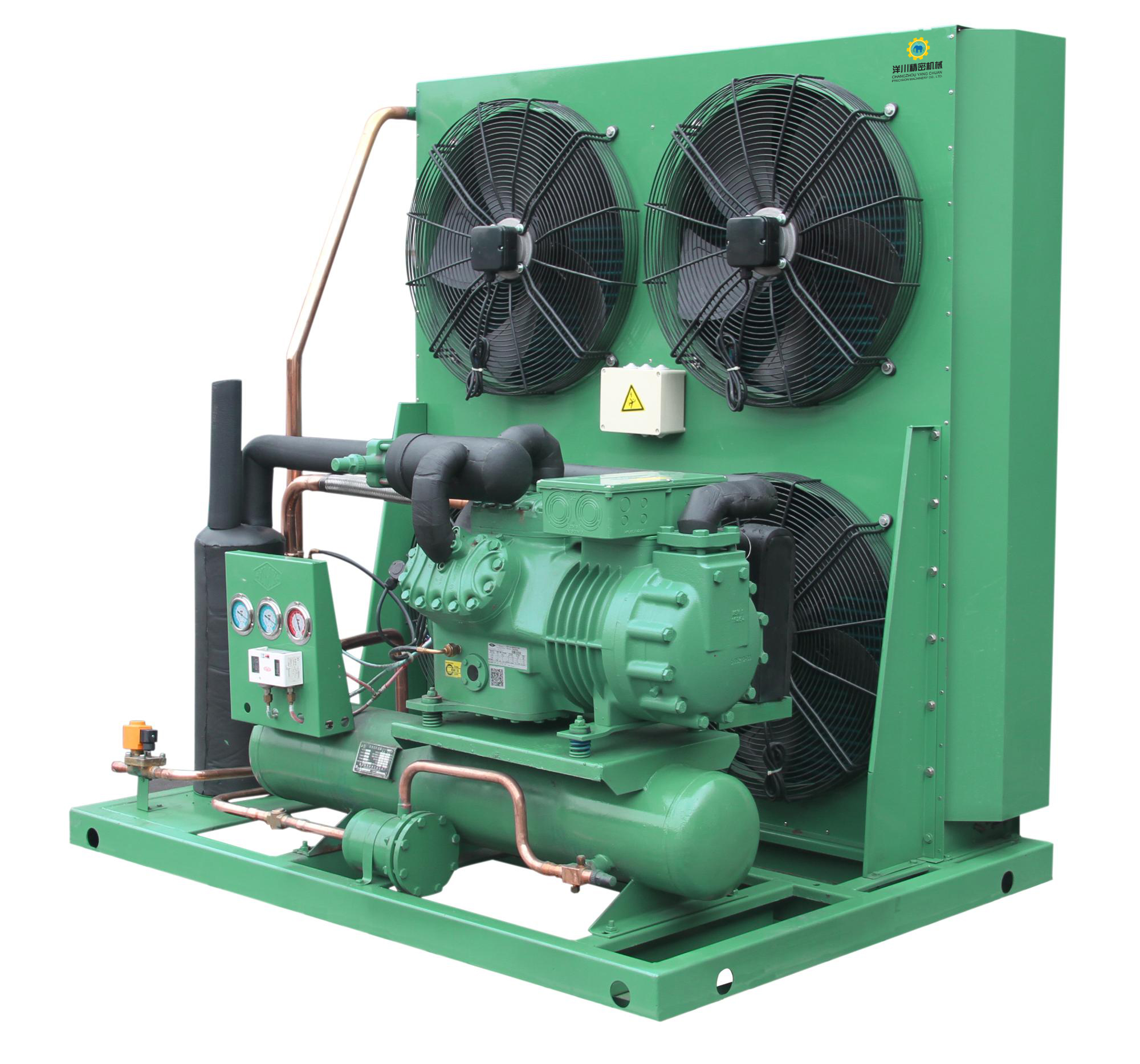
An air cooled condenser unit is a heat exchanger that transfers heat from a refrigerant or process fluid to the surrounding air. These units are widely used in various industrial and commercial applications where water availability is limited or where water conservation is a priority. Unlike water-cooled systems that require a constant water supply and cooling towers, air-cooled condensers use ambient air as the cooling medium, making them more environmentally friendly and easier to maintain in many situations.
Air-cooled condensers have become increasingly popular in recent years due to their water-saving benefits and reduced environmental impact. They are commonly found in refrigeration systems, power plants, chemical processing facilities, and HVAC systems for large buildings. The technology has evolved significantly, with modern units offering improved efficiency, reduced noise levels, and better performance in diverse climatic conditions.
How Air-Cooled Condensers Work
The fundamental operation of an air-cooled condenser involves the transfer of heat from a hot refrigerant vapor to cooler ambient air. The process begins when high-pressure, high-temperature refrigerant vapor enters the condenser coils from the compressor. As the refrigerant flows through the coil tubes, fans force ambient air across the finned surfaces, causing the refrigerant to lose heat and condense into a liquid.
The heat transfer occurs through three primary mechanisms: conduction through the tube walls, convection between the refrigerant and tube surfaces, and convection between the fin surfaces and air. The fins attached to the tubes significantly increase the surface area available for heat transfer, enhancing the overall efficiency of the unit. The condensed liquid refrigerant then collects in a receiver or flows directly to the expansion device to continue the refrigeration cycle.
Air-cooled condensers typically operate with a temperature difference (approach) of 10-20°F (5.5-11°C) between the condensing refrigerant temperature and the entering air temperature. This means if ambient air enters at 95°F (35°C), the refrigerant condenses at approximately 105-115°F (40.5-46°C), depending on the system design and operating conditions.
Components of an Air-Cooled Condenser Unit
A typical air cooled condenser unit consists of several key components that work together to facilitate efficient heat transfer:
Coil Assembly: The heart of the condenser, consisting of copper or aluminum tubes with aluminum fins. The coil design, tube spacing, and fin density are carefully engineered to optimize heat transfer while minimizing air-side pressure drop.
Fans and Motors: Axial or centrifugal fans driven by electric motors provide the necessary airflow across the coils. Fan selection depends on the required airflow rate and static pressure characteristics of the unit.
Structural Frame: A robust steel or aluminum framework supports all components and provides structural integrity. The frame is typically galvanized or painted to resist corrosion.
Refrigerant Piping Connections: Inlet and outlet connections for the refrigerant, often including service valves for maintenance purposes.
Electrical Components: Includes motor starters, contactors, overload protection, and control circuitry for safe and reliable operation.
Sound Attenuation Features: Many modern units incorporate sound baffles, low-noise fan designs, or variable speed drives to reduce operational noise levels.
Weather Protection: Louvers, rain hoods, or other protective features shield the coils from direct weather exposure while allowing proper airflow.

Types of Air-Cooled Condenser Units
Air-cooled condensers come in various configurations to suit different applications and space requirements:
Roof-Top Units: Self-contained packages designed for installation on building roofs, commonly used in commercial HVAC systems.
Remote Condensers: Separate units installed away from the main refrigeration system, connected by refrigerant piping.
Vertical Discharge Units: Fans discharge air vertically upward, suitable for installations where horizontal airflow might be restricted.
Horizontal Discharge Units: Fans discharge air horizontally, often used in mechanical rooms or where vertical clearance is limited.
V-Shaped Coil Designs: Innovative configurations that provide more coil surface area in a compact footprint, improving efficiency.
Microchannel Condensers: Utilize flat tubes with integrated fins for improved heat transfer and reduced refrigerant charge requirements.
Variable Speed Units: Incorporate variable frequency drives (VFDs) on fans to modulate capacity based on load requirements, improving energy efficiency.
Advantages of Air-Cooled Condenser Units
Air-cooled condensers offer numerous benefits that make them attractive for many applications:
Water Conservation: Eliminates the need for cooling water, making them ideal for arid regions or locations with water use restrictions.
Reduced Maintenance: Without water treatment requirements or scaling issues, maintenance is simpler and less frequent compared to water-cooled systems.
Lower Installation Costs: No need for cooling towers, water pumps, or complex piping systems reduces initial installation expenses.
Environmental Benefits: Avoids potential issues with chemical water treatment discharge and reduces overall water consumption.
Flexible Installation: Can be installed in various locations, including rooftops, mechanical rooms, or outdoor pads, without requiring proximity to water sources.
Year-Round Operation: Properly designed units can operate effectively in both hot and cold climates, with some models including features for low-ambient operation.
Scalability: Modular designs allow for easy capacity expansion by adding additional units as needed.
Applications of Air-Cooled Condenser Units
Air-cooled condensers serve diverse applications across multiple industries:
Commercial Refrigeration: Supermarkets, cold storage facilities, and food processing plants use them for medium-temperature and low-temperature refrigeration systems.
HVAC Systems: Large commercial buildings, data centers, and institutional facilities employ them in comfort cooling applications.
Industrial Processes: Chemical plants, pharmaceutical manufacturing, and other industrial processes utilize them for process cooling requirements.
Power Generation: Some power plants use air-cooled condensers as an alternative to traditional water-cooled systems.
Telecommunications: Cooling of equipment shelters and data transmission facilities in remote locations.
Transport Refrigeration: While less common, some transport refrigeration systems incorporate air-cooled condensers.
Special Applications: Including ice rinks, temporary cooling installations, and military applications where water availability is restricted.
Air cooled condenser units represent a vital technology in modern refrigeration and air conditioning systems, offering a water-efficient alternative to traditional water-cooled systems. While they have certain limitations, particularly in terms of energy efficiency in hot climates, ongoing technological advancements continue to improve their performance and expand their range of applications. Proper selection, installation, and maintenance are essential to realizing the full benefits of air-cooled condenser systems. As environmental concerns and water conservation efforts grow worldwide, the importance of air-cooled condenser technology is likely to increase, driving further innovation in this field.