




 Oct 24, 2025
 View:397
| Industry |
|---|
| Food and Beverage Industry |
| Pharmaceutical Industry |
| Floral Industry |
| Chemical Industry |
| Logistics and Supply Chain |
Knowing how a walk in freezer cold room works helps you keep your products safe, follow rules, and stop things from going bad.
Key Takeaways
A walk-in freezer cold room is very important for businesses that need to keep food, medicine, or flowers very cold. - Good insulation and temperature control help save energy and keep products safe. - Checking the freezer often helps stop problems and makes sure it works well, which saves money over time. - Picking the best walk-in freezer depends on your space and how much you need to store; you can look at modular or small options if you want more choices. - Buying a walk-in freezer can help stop food from being wasted and helps you follow health and safety rules.
What Is a Walk In Freezer Cold Room
Definition
A walk in freezer cold room is a big, insulated room. You can go inside it to keep things very cold. It stores items at freezing temperatures for a long time.
‘Walk-in freezer’ means a closed storage space that stays at or below 32°F. You can walk inside, and it is less than 3,000 square feet. It does not include freezers made only for medical, science, or research use.
This freezer is bigger than a normal freezer. You can walk around and put your items where you want.
Purpose
People use a walk in freezer cold room to keep things safe and fresh. Many businesses need these rooms for different reasons:
steady cold temperatures for businesses.
They help follow food safety and storage rules.
They work for many jobs like food service, medicine, and hotels.
A walk in freezer cold room keeps your products cold. This helps you follow health and safety laws. You can store lots of food or other things without worry.
Common Uses
You see walk in freezer cold rooms in many places. Restaurants, stores, hotels, and hospitals all use them. These rooms help keep food, drinks, and other items safe.
Here are some ways people use them in food and drink businesses:
| Application | Description |
|---|---|
| Food Storage | Good for keeping food fresh and safe for longer. |
| Temperature Control | Works from 4°C to -30°C, which keeps food from spoiling. |
| Compliance with Regulations | Helps meet food safety rules and keeps food quality high. |
A walk in freezer cold room helps stop food from going bad. It keeps food safe by stopping germs from growing. You can keep meat, seafood, and vegetables for a long time. This means you throw away less food and save money.
Walk-in freezers keep food cold so germs cannot grow, which keeps food safe.
They let you store food for a long time, so you waste less.
These freezers are needed to keep lots of meat, seafood, and vegetables fresh.
That is why a walk in freezer cold room is important for any business that needs to keep things cold and safe.
How a Walk In Freezer Cold Room Works
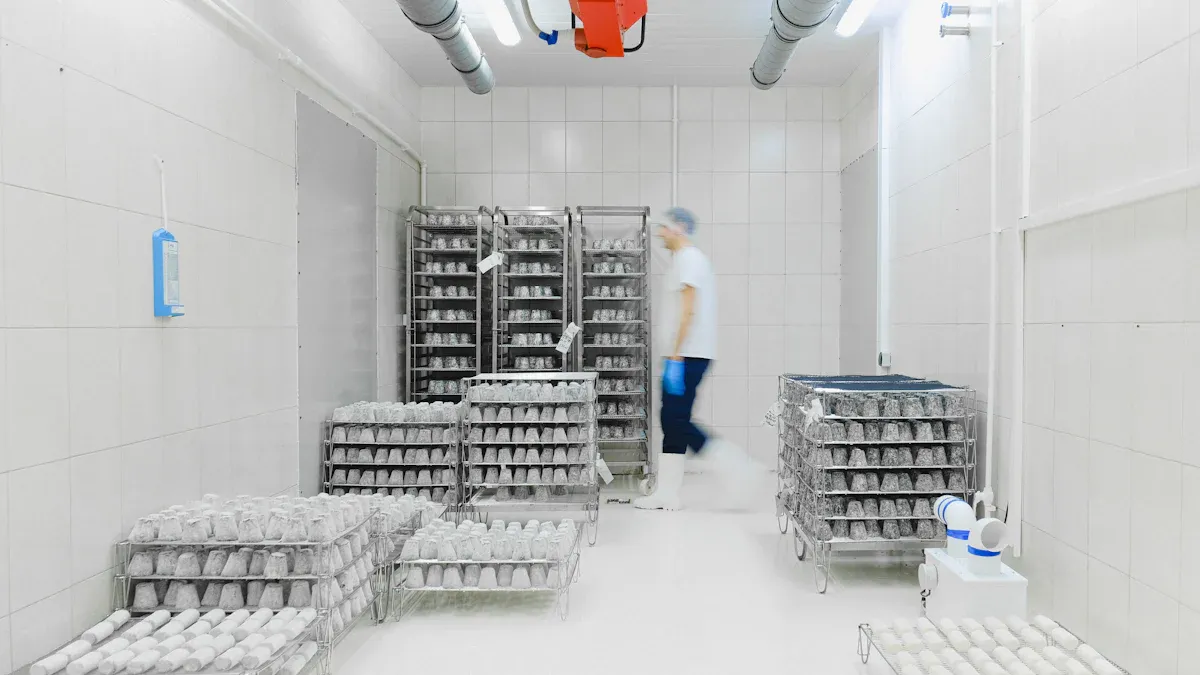
Main Components
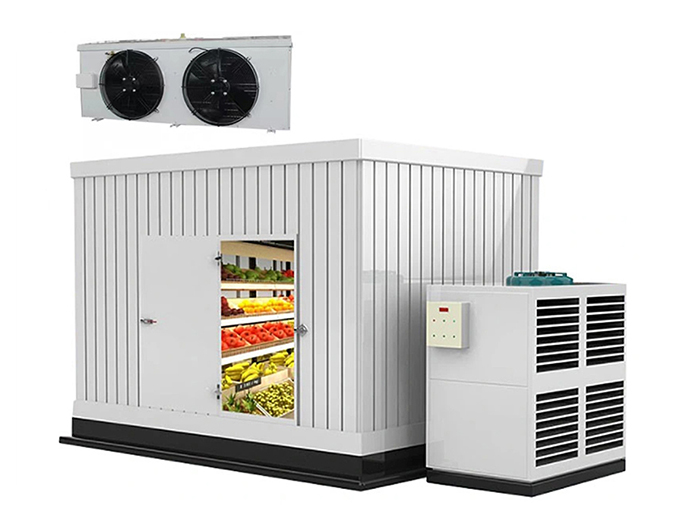
When you go inside a walk in freezer cold room, you see more than just a cold area. Each part helps keep things frozen and safe. Here is a table that lists the main parts and what they do:
| Component | Description |
|---|---|
| Flooring | Strong, not slippery, easy to clean, and keeps heat out. |
| Insulation | Stops heat from getting in and keeps the cold inside. |
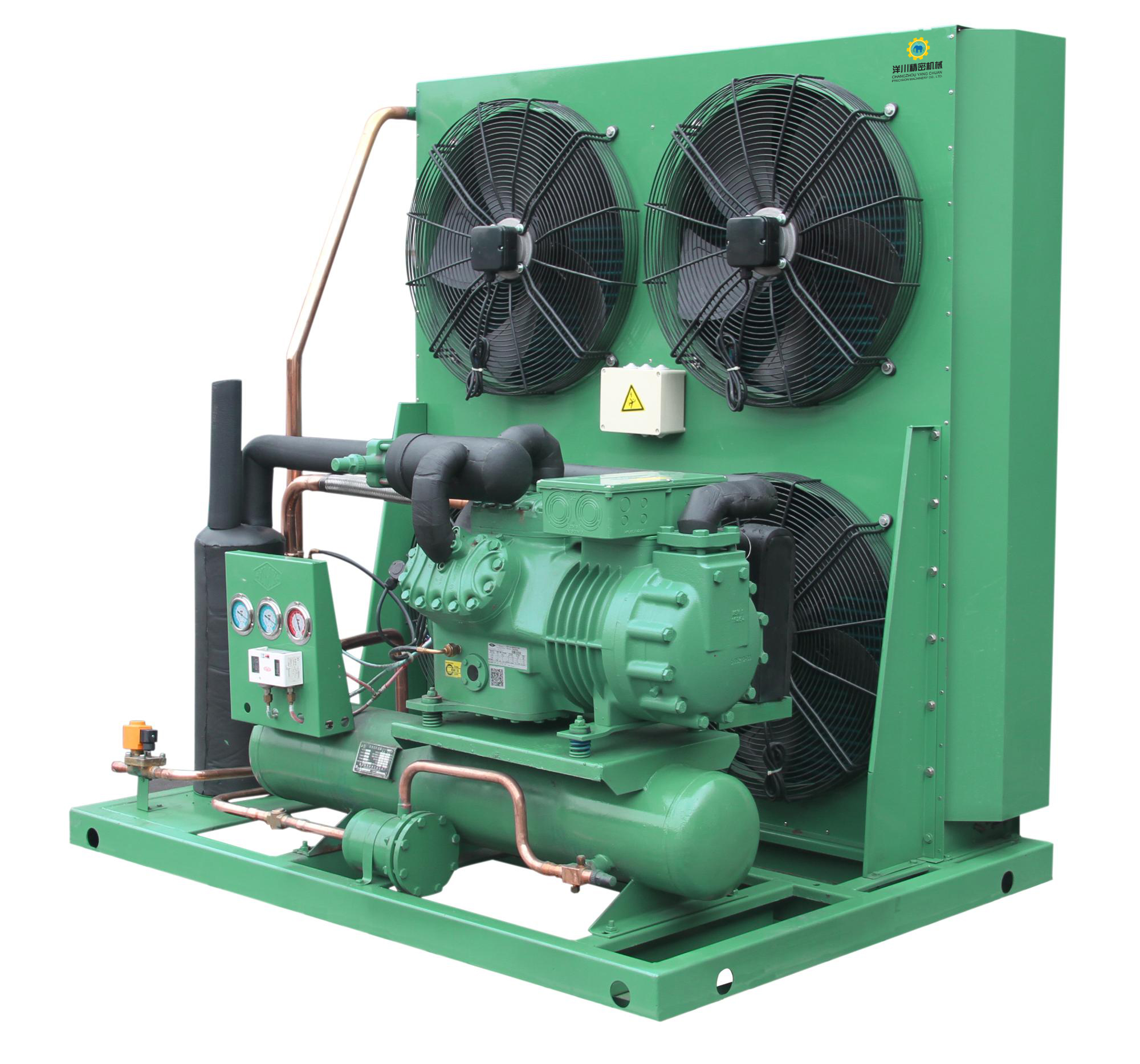
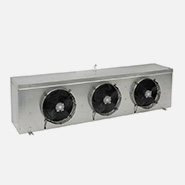
| Refrigeration System | Makes the air cold and moves it around. Has compressor, condenser, evaporator, and refrigerant. |
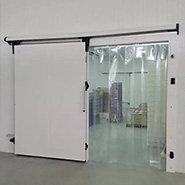
| Door | Main way in. It is sealed and insulated so cold air stays inside. |
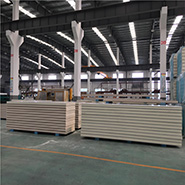
| Walls | Tough and insulated to keep heat out and stop water drops. |
All these parts are needed for the walk in freezer cold room to work right. Insulation is very important. If you pick good insulation, you pay less for energy, your compressor works less, and your equipment lasts longer. Polyurethane foamed panels save the most energy.
Picking insulation and frame material that is strong and keeps heat out is the best way to stop heat from moving through.
Refrigeration Process
The refrigeration process keeps the walk in freezer cold room at the right temperature. The system uses a cycle to move heat out and keep the air cold. Here is how it works step by step:
Evaporation: The evaporator takes heat from the air inside. The refrigerant inside soaks up this heat and turns into vapor.
Compression: The compressor squeezes the vapor, making it hotter and raising the pressure.
Condensation: The hot vapor goes to the condenser. It lets out heat to the outside and turns back into liquid.
Expansion: The liquid refrigerant goes through an expansion valve. It gets cooler and the pressure drops before going back to the evaporator.
This cycle keeps repeating. The evaporator takes heat from inside. The compressor moves the refrigerant. The condenser gets rid of the heat outside.
You may wonder how this is different from a home freezer. Walk in freezer cold rooms are bigger, have stronger insulation, and use more powerful systems. Here is a table to show the difference:
| Type of Freezer | Temperature Range |
|---|---|
| Walk-in Freezer | -12°C to -22°C |
| Standard Household Freezer | Around -18°C |
| Feature | Walk-in Freezer | Standard Household Freezer |
|---|---|---|
| Size | Bigger, can be changed | Smaller, one size only |
| Insulation | Thicker insulation | Regular insulation |
Temperature Control
You must keep the temperature steady in your walk in freezer cold room. This keeps food and other things safe. The FDA says walk-in freezers should be at 0°F (-18°C) for food safety. At this temperature, food stays safe for a long time, even if it loses some quality.
Modern walk in freezer cold rooms use special temperature control systems. These systems stop big changes in temperature. Here are some features you might see:
| Feature | Description |
|---|---|
| Redundancy | Two evaporators and condensers lower the chance of breaking down. |
| Temperature Control | Air control loops and extra controls stop the coils from freezing. |
| Energy Efficiency | Systems stop big temperature swings, which saves energy and money. |
| Service Accessibility | Parts are outside, so you can fix them easily. |
If you use the best insulation panels, you pay less, your compressor works less, and your equipment lasts longer. Some insulation materials work better than others. Polyurethane foamed panels save the most energy.
Tip: Always check the temperature control system and insulation before you buy or set up a walk in freezer cold room. This saves money and keeps your things safe.
Now you know how the main parts, the refrigeration process, and the temperature control system all work together. This helps you make good choices and keep your things safe.
Types and Features
Types
You can choose from several types of walk-in freezer cold rooms. Each type fits different spaces and needs. Here is a table to help you see the main options:
| Type of Cold Room | Description |
|---|---|
| Modular Cold Rooms | You can expand or change these rooms as your storage needs grow. |
| Compact Cold Rooms | These fit small spaces and work well if you have limited storage. |
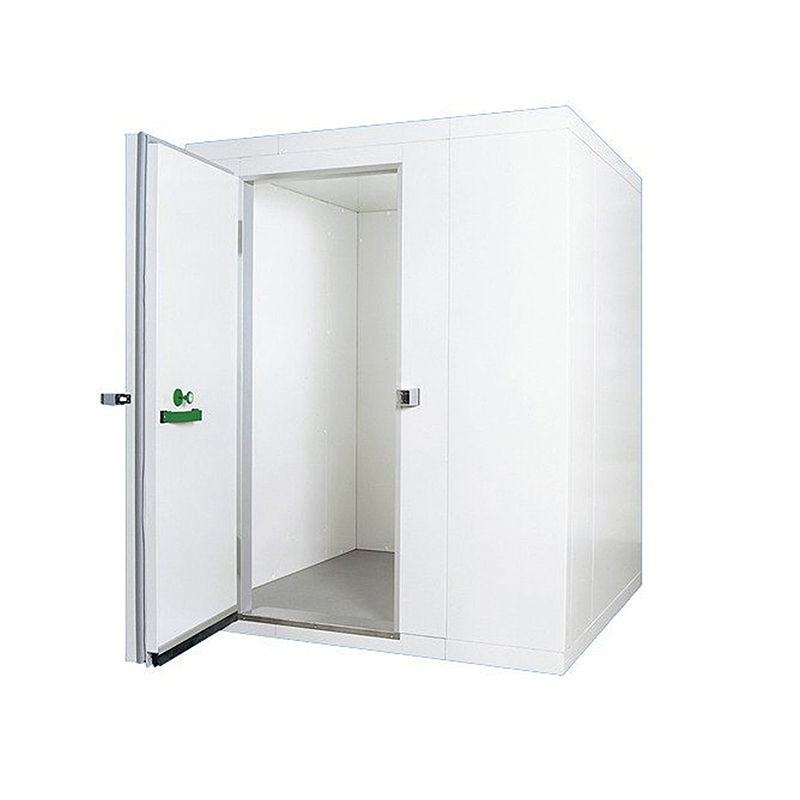
| Hinged Doors | These doors work best for smaller rooms you enter often. |
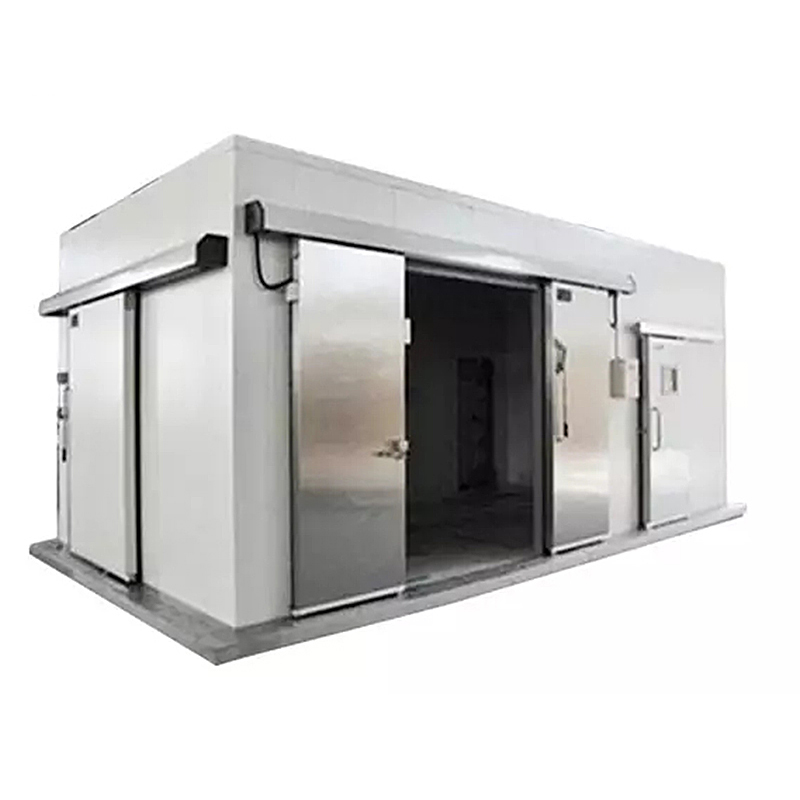
| Sliding Doors | These save space and suit large areas with lots of movement. |
| Rapid Roll-Up Doors | These open quickly, making them great for busy places like distribution centers. |
You should pick the type that matches your space and how you plan to use the freezer.
Key Features
When you select a walk-in freezer cold room, you need to look at important features. These features help keep your products safe and your costs low. The table below shows what to consider:
| Feature | Description |
|---|---|
| Insulation | Keeps the temperature steady and saves energy. Higher R-value means better insulation. |
| Panel Construction | Strong materials like galvanized steel last longer and need less care. |
| Flooring Options | You can choose built-in floors for better insulation or use concrete for heavy loads. |
| Refrigeration Systems | Pick a system that matches what you store and the temperature you need. |
| Location Considerations | Make sure you have enough space, good airflow, and follow local rules. |
Tip: Advanced features like remote monitoring and alarm systems help you track temperature changes in real time. These systems alert you if something goes wrong, so you can act fast and keep your products safe.
Custom Options
You can customize your walk-in freezer cold room to fit your business. Many options help you save energy and meet special needs. Here are some choices you might want:
Any size or shape, even unique angles
Extra-thick panels for better efficiency
Glass or metal doors, with many widths to choose from
Heavy-duty floors that support up to 5,000 lbs per square foot
Shelving kits to add more storage
Eco-friendly systems that use less energy and safer refrigerants
Custom paint colors and finishes
Custom-built cold rooms may cost more at first, but you can save money over time. Energy-saving features lower your electricity bills and help your freezer last longer. You also get expert help to design a cold room that fits your exact needs.
Benefits, Maintenance, Safety
Benefits
A walk-in freezer cold room gives you lots of good things. You get more space to store food and other items. You can control the temperature better. Cleaning is easier because shelves come out.
| Benefit | Description |
|---|---|
| More capacity for storage space | Walk-in freezers hold more food than regular fridges. |
| Temperature Control | You can change the temperature to keep food fresh. |
| Convenient for cleaning | Shelves come out, so cleaning is simple. |
| Convenience for storage | It is easy to find and grab food when you are busy. |
| Cost-cutting and bulk purchasing | You can buy more food at once and waste less. |
You help stop food waste and save money. The USDA says food waste costs a lot in the U.S. Good cold storage helps lower this loss. Keeping the right temperature can stop up to 85% of food sickness. This helps you follow safety rules and keeps your business safe.
Maintenance Tips
You need to take care of your walk-in freezer cold room. Check and clean it often to stop problems. Here is a simple guide:
| Frequency | Maintenance Task |
|---|---|
| Daily | Write down the temperature. Make sure the door shuts tight. Listen for strange sounds. Check that air can move. |
| Weekly | Wipe walls, shelves, and floors. Make sure water drains out. Change any broken lights. |
| Monthly | Look at door seals and hinges. Check fans and blades. Look at the coils. |
| Annually | Have a pro check the refrigerant, wires, defrost, compressor, and insulation. |
Tip: Keep a log of all checks. This helps you find problems early and saves money.
Safety
Working in a walk-in freezer cold room can be dangerous if you are not careful. Here are some common dangers:
| Hazard Type | Description |
|---|---|
| Oxygen deficiency | Not enough air can make it hard to breathe. |
| Mold | Too much moisture can cause mold, which is bad for health. |
| Cold work environment | Very cold air can hurt you if you stay too long. |
| Slips, trips, and falls | Wet or uneven floors can make you fall. |
| Electric shock | Water can cause electric shocks. |
You can stay safe by following these tips: Change out of wet clothes after working inside. Take turns working in cold and warm places. Wear gloves and get new ones if they break. Warm your hands outside the cold room. Learn the signs of cold stress and tell someone if you feel sick.
Note: Always teach your team the safety rules and check equipment often. This keeps everyone safe and your cold room working well.
Comparison With Other Freezers
Walk-In vs. Reach-In
You may wonder which freezer is better for your business. Both walk-in and reach-in freezers keep things frozen. They work in different ways. Walk-in freezers are big rooms. You can walk inside and put items on shelves. Reach-in freezers look like tall fridges. You open the door from outside to get what you need.
Here is a table that shows how they compare:
| Factor | Walk-In Freezer | Reach-In Freezer |
|---|---|---|
| Space Requirements | Needs more space, customizable sizes | Compact, fits in small kitchens |
| Convenience | Less convenient for quick access | Easy access, often near workstations |
| Storage Capacity | High, good for bulk storage | Limited, usually one to three sections |
| Installation | Takes longer, may need professionals | Quick, often self-contained |
| Cost | Higher upfront, may need extra equipment | More affordable, simple setup |
Walk-in freezers use more power than reach-in freezers. You can see the difference in this table:
| Type of Freezer | Power Usage (watts/hour) | Energy Cost Comparison |
|---|---|---|
| Walk-in Freezers | 700–1,800 | 20–50% more than coolers |
| Reach-in Freezers | N/A | N/A |
Tip: To save money, check the insulation and door seals often. Good care helps lower your bills.
When to Choose a Walk-In
Pick a walk-in freezer cold room if you need to store lots of items. It is good for bulk orders. Many businesses use walk-in freezers, like:
Restaurants and hotels that freeze large amounts of food.
Supermarkets and grocery stores with many frozen goods.
Bakeries that keep ingredients and baked goods cold.
Breweries that need to control temperature.
Pharmaceutical companies that store medicine and vaccines.
Research labs that keep samples frozen.
Think about these things before you get a walk-in freezer:
| Consideration | Description |
|---|---|
| Safety Equipment | Make sure workers have all safety gear. |
| Inventory Materials | Check that you have all parts and papers ready. |
| Installation Site | The area should be clean and flat to avoid problems. |
| Air Gap and Air Flow | Leave space for air to move so the system works well. |
Note: Walk-in freezers are best for businesses that need lots of space and can pay more. If you only need quick access or have a small kitchen, a reach-in freezer may be better.
A walk-in freezer cold room gives you reliable cold storage for food, medicine, or other items. You control the temperature, keep products safe, and save money by reducing waste. When you choose a cold room, think about your space, storage needs, and safety.
Tip: Talk to a professional before you buy or install a walk-in freezer cold room. This helps you get the best fit for your business.
FAQ
How often should you check the temperature in your walk-in freezer cold room?
You should check the temperature at least once a day. This helps you catch problems early and keeps your food safe. Use a log to track changes and spot issues quickly.
What should you do if you see ice buildup inside?
Remove ice right away. Ice can block airflow and make your freezer work harder. Clean the area and check door seals. If ice keeps coming back, call a technician.
Can you store medicine in a walk-in freezer cold room?
Yes, you can store medicine if you keep the right temperature. Always follow storage guidelines from the manufacturer. Use a thermometer to monitor the temperature and keep medicine safe.
How do you keep your walk-in freezer cold room energy efficient?
Choose high-quality insulation and keep doors closed as much as possible. Check seals and fix leaks quickly. Schedule regular maintenance to keep the system running smoothly.