




What is a cold room in a restaurant?
 Mar 24, 2025|
 View:1164
A cold room in a restaurant is a vital component of food storage and preservation, designed specifically to maintain low temperatures for perishable ingredients. Understanding its purpose, construction, and operational considerations is crucial for effective food management in a culinary environment. This detailed overview will explore the various aspects of restaurant cold rooms, including their types, functions, and best practices for use.
What is a Cold Room?
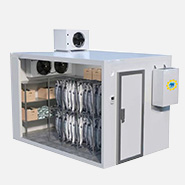
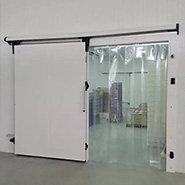
A restaurant cold room is a refrigerated space where food items are stored to extend their shelf life and maintain their quality. The temperature in a cold room typically ranges from 0 to 4 degrees Celsius (32 to 39 degrees Fahrenheit), which is ideal for storing raw ingredients such as meats, dairy products, and vegetables. Unlike standard refrigeration units or walk-in coolers, restaurant cold rooms are larger and are often built into the restaurant's infrastructure, allowing for higher capacity and more organized storage.
Types of Restaurant Cold Rooms
Walk-in Coolers:
These are large, walk-in refrigerators designed for bulk storage. They can accommodate large quantities of food and are ideal for restaurants with significant inventory. Walk-in coolers are usually equipped with shelves, allowing for organized storage of various items.
Reach-in Coolers:
Smaller than walk-in coolers, reach-in units are typically used for quick access to frequently used items. These units have doors that can be opened easily and are often located near cooking areas for convenience.
Blast Chillers:
These specialized restaurant cold rooms rapidly cool hot food to safe temperatures, preventing bacterial growth. They are essential for restaurants that prepare large quantities of food in advance, ensuring that items can be cooled quickly and safely.
Freezer Rooms:
While primarily designed for freezing food, some freezer rooms are maintained at higher temperatures than traditional freezers, allowing for the storage of items that need to be kept below freezing but not at the lowest temperatures.

Functions of Restaurant Cold Rooms
The primary function of restaurant cold rooms is to preserve food quality and safety. Here are some key functions:
Temperature Control:
Restaurant cold rooms maintain a consistent and optimal temperature, preventing spoilage and extending the shelf life of perishable items. This is crucial for food safety, as fluctuations in temperature can lead to bacterial growth.
Organization:
Cold rooms provide a structured environment for storing ingredients. With proper shelving and labeling, kitchen staff can easily locate and retrieve items, reducing time wasted searching for ingredients.
Inventory Management:
Efficient restaurant cold room management allows for better inventory control. Restaurants can track stock levels, monitor expiration dates, and minimize waste by using a first-in, first-out (FIFO) system.
Food Safety Compliance:
Keeping food at safe temperatures is a legal requirement in many jurisdictions. Cold rooms help restaurants comply with health regulations, ensuring that food is stored safely and hygienically.
Best Practices for Using Restaurant Cold Rooms
To maximize the effectiveness of restaurant cold rooms, restaurants should follow several best practices:
Regular Temperature Monitoring:
Install thermometers and monitoring systems to ensure that the temperature remains within the safe range. Regular checks should be made, and logs should be maintained.
Proper Airflow:
Avoid overcrowding restaurant cold rooms, as this can obstruct airflow and lead to uneven cooling. Space items appropriately to allow cold air to circulate freely.
Cleanliness and Maintenance:
Regular cleaning is essential to prevent contamination and maintain hygiene. Staff should be trained on proper cleaning procedures and the importance of keeping the restaurant cold room organized.
Employee Training:
Staff should be educated about food safety practices, including proper storage techniques, handling of perishable items, and the importance of maintaining restaurant cold room conditions.
Monitoring Expiration Dates:
Implement a system for tracking expiration dates to ensure that older items are used first. This helps minimize waste and ensures that customers receive fresh food.
Emergency Preparedness:
Have a plan in place for power outages or equipment failures. Backup generators and alternative storage solutions should be considered to prevent food spoilage.
In summary, restaurant cold rooms play a crucial role in the food storage and safety protocols of a restaurant. By providing a controlled environment for perishable items, they help maintain food quality, comply with health regulations, and streamline kitchen operations. Understanding the types, functions, and best practices associated with cold rooms is essential for restaurant managers and staff to ensure that food is handled safely and efficiently. Proper management of restaurant cold rooms not only enhances food safety but also contributes to the overall success and reputation of the restaurant.