




What is the difference between a freezer room and a cold room?
 May 08, 2025|
 View:1400
1. Temperature Range and Purpose
Cold Room
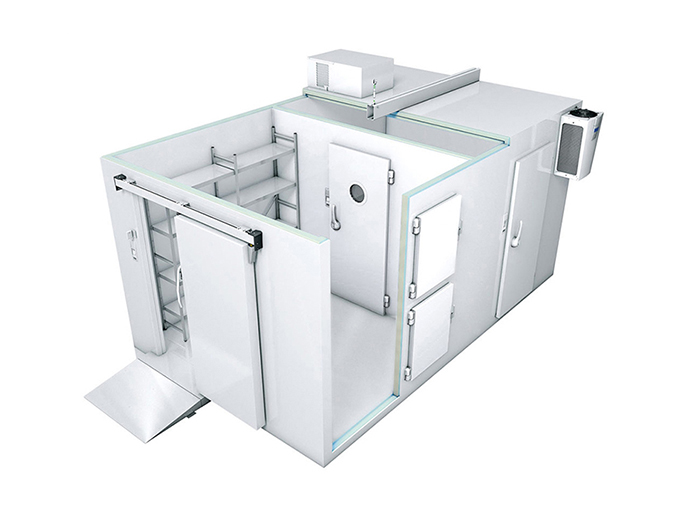
A cold room, also referred to as a "chiller room" or "walk-in cooler", typically maintains temperatures between 0°C and +10°C for general refrigeration. Some specialized cold rooms can reach as low as -10°C for short-term storage of items like fresh produce, dairy, or pharmaceuticals. The primary goal is to slow bacterial growth and extend shelf life without freezing products. For example, food and beverage manufacturers use cold rooms to store ingredients before processing, while laboratories rely on them for temperature-sensitive samples.
Freezer Room
A freezer room operates at sub-zero temperatures, usually ranging from -18°C to -40°C (or lower in industrial settings). These environments are designed for long-term preservation by completely halting microbial activity. Freezer rooms are essential for storing frozen seafood, meat, ice cream, and certain pharmaceuticals that require ultra-low temperatures. For instance, blast freezers can rapidly freeze products to -40°C to lock in freshness and prevent ice crystal formation.
2. Structural and Technical Differences
Insulation and Panel Thickness
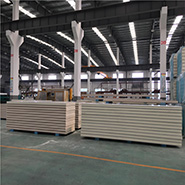
Cold rooms often use 50–150mm thick polyurethane (PU) insulation panels with fireproof ratings (e.g., B1 or B2). In contrast, freezer rooms require thicker insulation (100–200mm) to minimize heat transfer and maintain sub-zero conditions. The panels’ surface materials also differ: cold rooms may use galvanized steel for cost efficiency, while freezer rooms often opt for stainless steel for durability in extreme conditions.
Refrigeration Systems
Cold Rooms: Use single-stage cooling systems with refrigerants like R134A or R404A. These systems prioritize energy efficiency for moderate cooling.
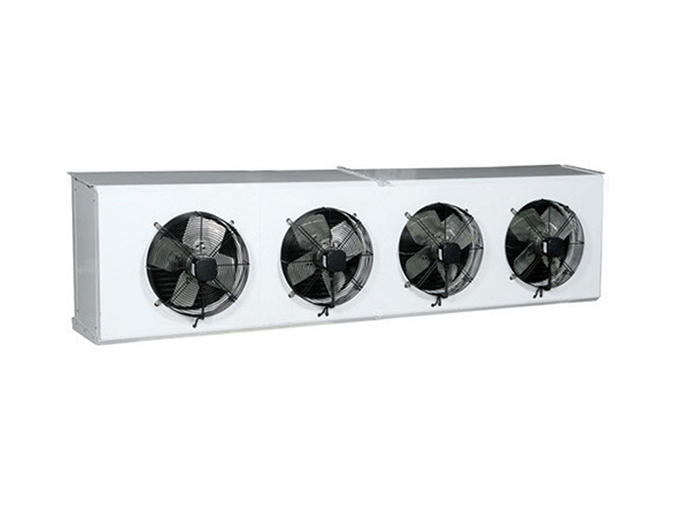
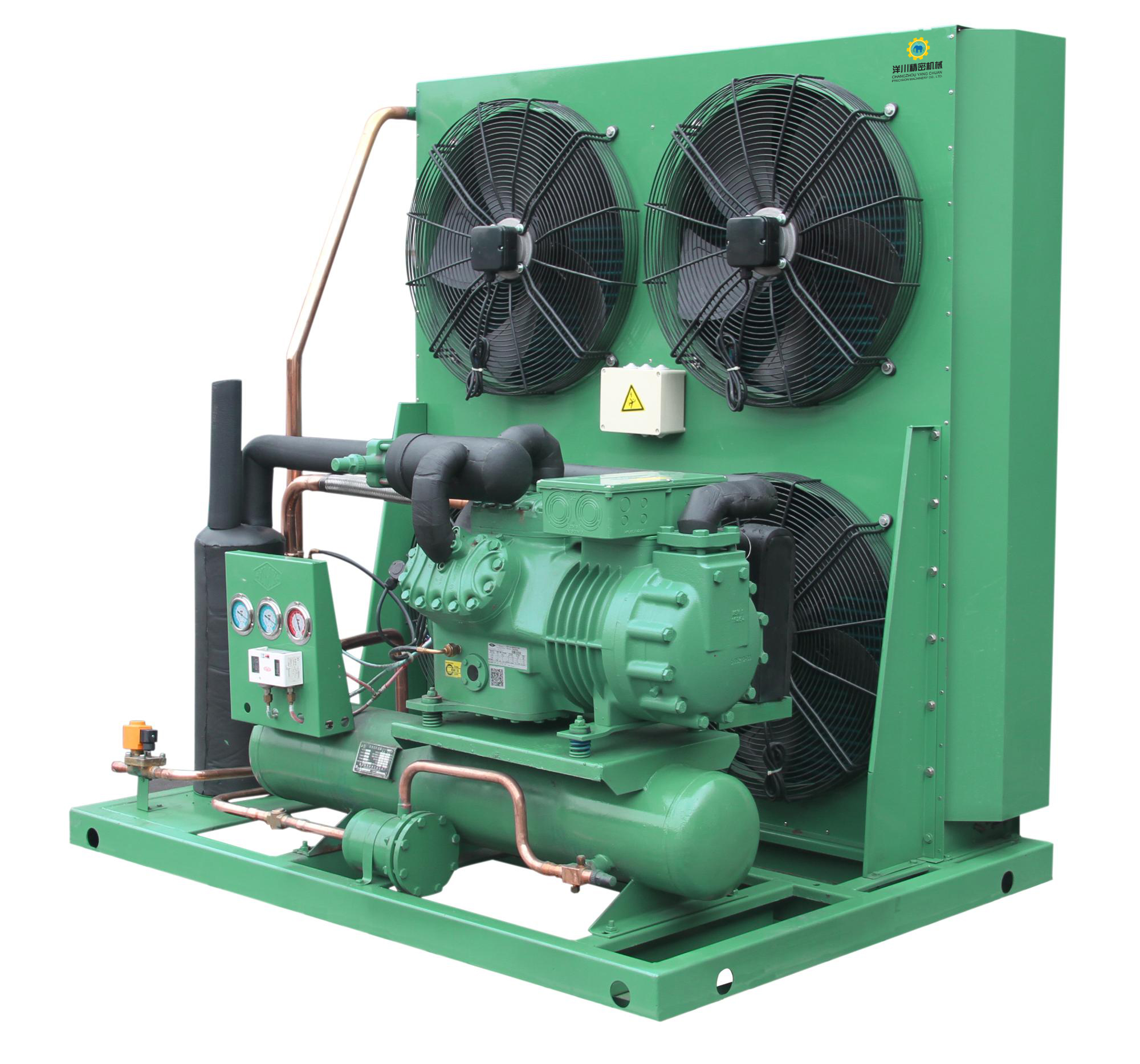
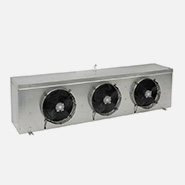
Freezer Rooms: Require two-stage or cascade refrigeration systems to achieve lower temperatures. Advanced models use R448A or R410A refrigerants and parallel condensing units for enhanced performance. Freezer rooms also employ hot gas or electric defrosting to prevent ice buildup, a feature less critical in cold rooms.
Door Design
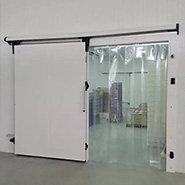
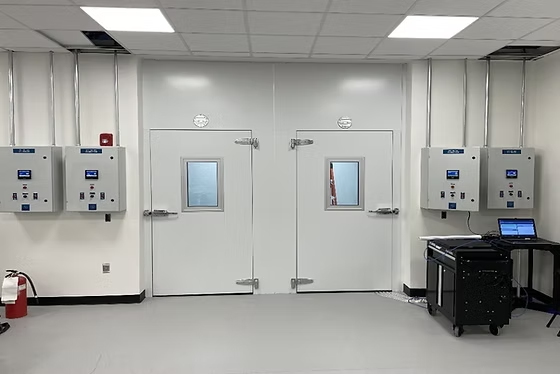
Cold room doors are typically hinged or sliding, with basic seals to maintain airflow. Freezer rooms, however, use double-sealed doors (e.g., hinged with magnetic gaskets or automatic closures) to prevent cold air leakage and frost formation.
3. Application Scenarios
Cold Room Use Cases
Food & Beverage: Short-term storage of fruits, vegetables, and beverages.
Pharmaceuticals: Storing vaccines and biologics at controlled temperatures (2°C–8°C).
Agriculture: Seed preservation and flower cooling.
Freezer Room Use Cases
Meat and Seafood: Long-term storage at -25°C to -40°C to prevent spoilage.
Medical Research: Cryogenic storage of tissues and samples.
Industrial Freezing: Blast freezing for ready-to-eat meals or processed foods.
4. Energy Consumption and Maintenance
Cold rooms consume less energy due to their higher operating temperatures. For example, some models require under 1,000 Watts for basic cooling. Freezer rooms, however, demand high-power compressors and frequent defrost cycles, leading to 30–50% higher energy costs. Maintenance requirements also differ:
Cold Rooms: Focus on air filtration and humidity control (e.g., ISO 2/3 standards for cleanrooms).
Freezer Rooms: Require rigorous frost management and compressor checks to avoid system failures.
5. Safety and Compliance
Both facilities require safety mechanisms, but freezer rooms pose greater risks due to extreme cold. Features like emergency release buttons, temperature alarms, and CO₂ leak detectors are mandatory in freezer rooms. Additionally, freezer rooms must comply with stricter regulations for hazardous chemical storage (e.g., flammable refrigerants).
6. Cost Considerations
Initial Investment: Freezer rooms cost 2–3 times more than cold rooms due to advanced insulation and refrigeration systems.
Customization: Cold rooms often use modular designs for flexibility, while freezer rooms require bespoke solutions (e.g., explosion-proof wiring for flammable environments).
While both cold rooms and freezer rooms are vital for perishable storage, their differences in temperature range, structural design, and operational complexity make them suited for distinct applications. Cold rooms excel in short-term preservation with moderate energy use, whereas freezer rooms are indispensable for ultra-low-temperature storage despite higher costs and maintenance demands. Businesses must evaluate their specific needs—whether storing fresh produce or frozen goods—to choose the optimal solution.