




What is the difference between lyophilization and vacuum drying?
 Jan 27, 2025|
 View:772
Lyophilization and vacuum drying are two distinct drying technologies, deliver unique advantages for specific applications. Although both processes share a common theme of extracting moisture from substances in a vacuum environment, the workings of the two processes differ greatly and result in different products and are suited to different kinds of material.

Lyophilization: The Sublimation Principle
The lyophilization technique, which literally means freeze (lyo) with love or care (philis) in Greek, is an advanced drying method based on the principle of sublimation. In this process, the material to be dried needs to be quickly frozen at low temperatures. The frozen water molecules are then, within a vacuum environment, directly sublimated from solid to gaseous state (water vapor) without going through the liquid state. This transformation, called sublimation, makes the water pass out of the material, thus completing the wanted drying.
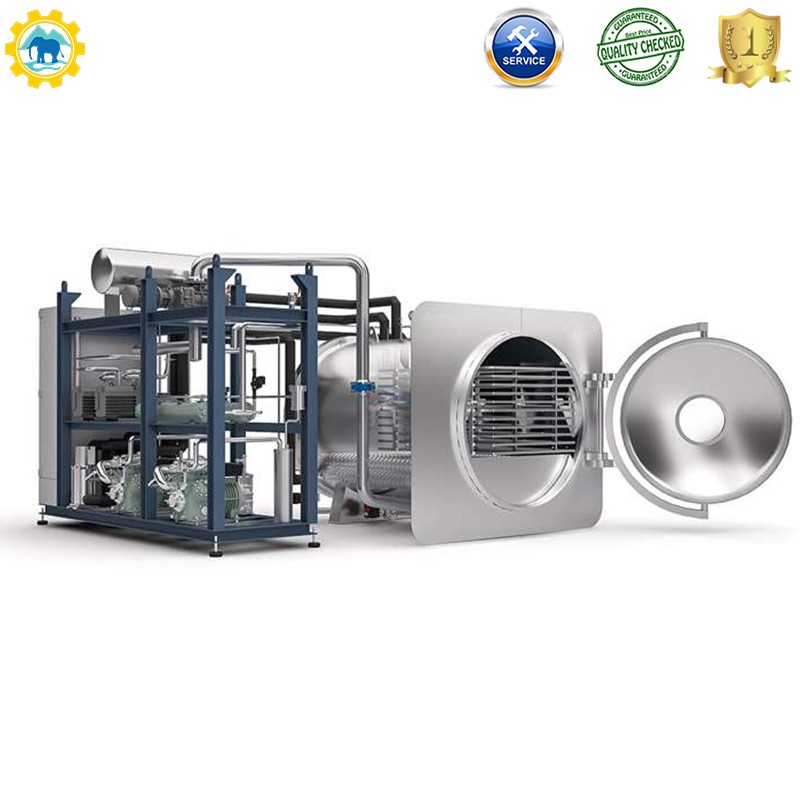
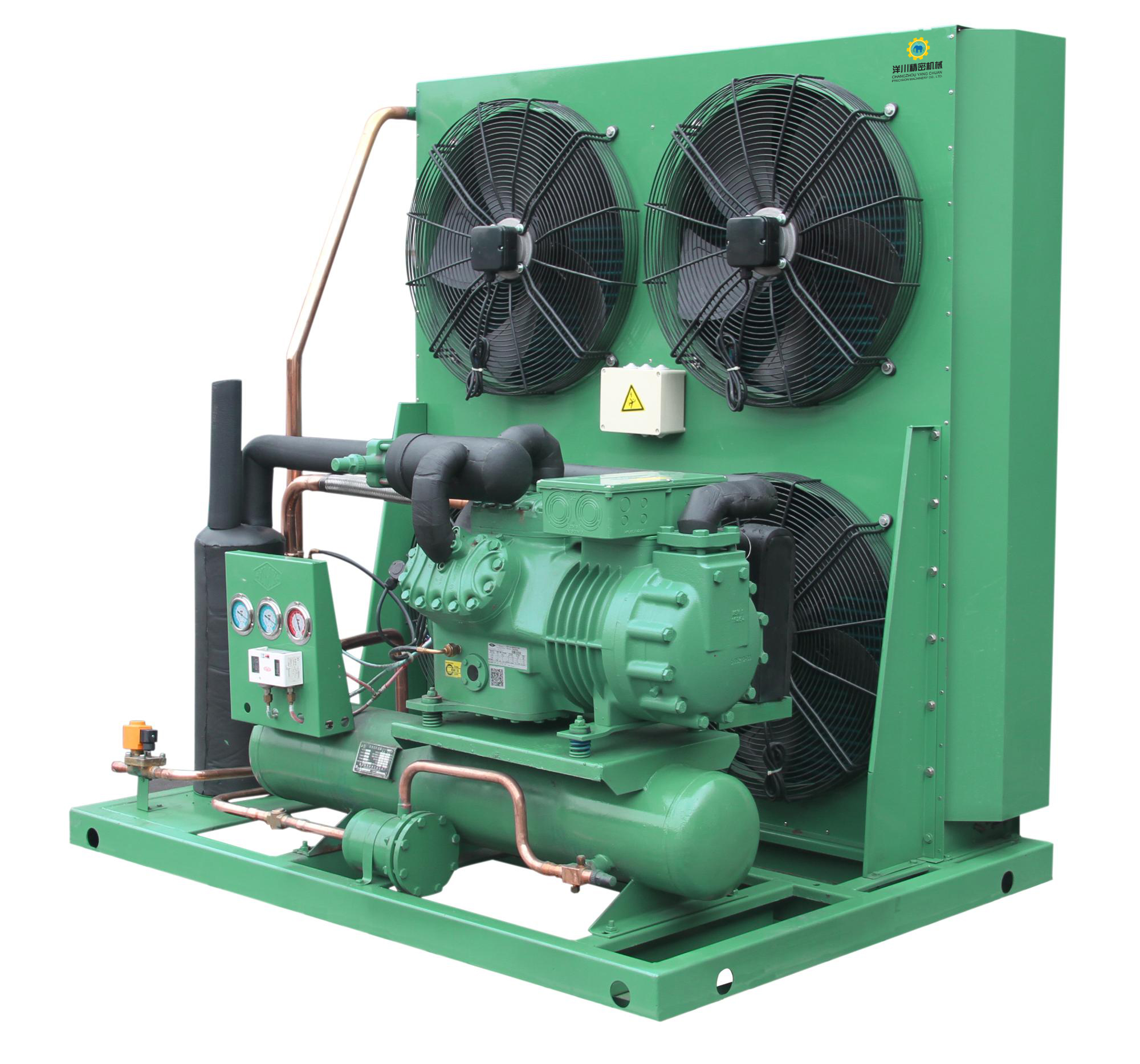
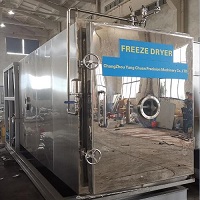
Lyophilization cycles generally consist of three stages: prefreezing, sublimation, and secondary drying. The machines used in the lyophilisation process, known as vacuum lyophilizers, are complex apparatus that allows to sustain the required vacuum conditions and precisely regulate the temperature. These devices are usually built around two chambers, one that provides a freeze phase and the other that performs sublimation and drying, using a vacuum pump.
Lyophilization retains well all the properties (color, aroma, flavor, and biological activity) of the original material. As it reduces thermal degradation, it is especially suitable for heat-sensitive materials like proteins, vitamins and live organisms. The resulting dried product is called lyophilizate, which has a porous structure similar to the structure of a dry sponge, designed for easy reconstitution (rehydration) to the original state.
Doing Dry And Clean: Vacuum Drying
Vacuum drying (also referred to as vacuum desorption drying or reduced-pressure drying) works following another mechanism. It involves placing the material to be dried in a sealed chamber from which air is pumped out to create a vacuum. At those conditions, the boiling point of water is reduced, allowing it to evaporate at temperatures below its atmospheric boiling point of 100°C. The vacuum pump constantly evacuates water vapor from the vessel wall, thus promoting the drying process.
Types of vacuum drying equipment from simple vacuum ovens to complex systems with heaters, vacuum pumps and control systems for precise temperature and pressure control. This method is beneficial for materials which oxidise or degrade at higher temperatures, or for materials for which the volatile components need to be preserved.
In contrast to lyophilization, vacuum drying operates based on the evaporation of water molecules from the surface and the interior pores of the material. Since some structural changes may take place during the evaporation process, these will have a slightly different texture and appearance from lyophilizates. Nonetheless, vacuum drying is typically quicker and more economical, making it more widely applied for cases in which maintaining the integrity of sensitive biological structures or components is not a critical consideration.
Comparative Analysis
Gentle Drying: Lyophilization maintains the biological activity, color, and texture of sensitive materials, making it an effective method for preserving the structure of such materials. Although vacuum drying can efficiently remove moisture, it may result in structural changes depending on the type of material and the drying conditions.
Equipment and Process Complexity: Lyophilizers are specialized, use complex equipment, and need excellent temperature and vacuum control. Vacuum drying equipment can be simpler, more versatile and able to handle a wider variety of materials and processes.
Cost and Efficiency: Compared to lyophilization, lyophilization tends to be more economical and quicker, making it ideal for mass production or situations where faster drying is preferred.
Product Use: Lyophilization is mainly composed in pharmaceutical, biotechnology and food industry for preservation of sensitive matter like enzymes, high-value foods and preservation of vaccine. It is commonly used in industry, such as chemical, electronic, and materials science, where a fast and effective drying process is required.
Although lyophilization and vacuum drying both use vacuum conditions to remove moisture, their respective principles of operation, equipment needs, and suitability for various materials highlight their differences. Knowing these differences is important for choosing the right drying method to fulfill certain processing requirements while yielding the highest product quality.