




What is the difference between a condenser and an evaporator?
 Jan 22, 2025|
 View:1449
The two important components work to produce the refrigeration effect in refrigeration technology are the condenser and evaporator. They're all heat exchangers and work on the same principle, but their functions in the refrigeration cycle are almost the inverse of one another. Therefore, we will detail Refrigeration Evaporator and the Coolroom Condenser in this article.
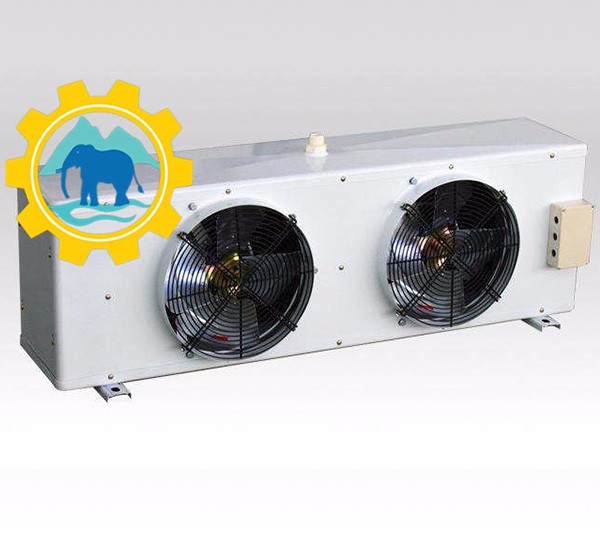
Refrigeration evaporator

Understanding the Function and Mechanism of Refrigeration Evaporators
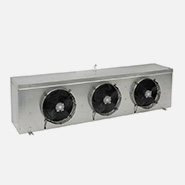
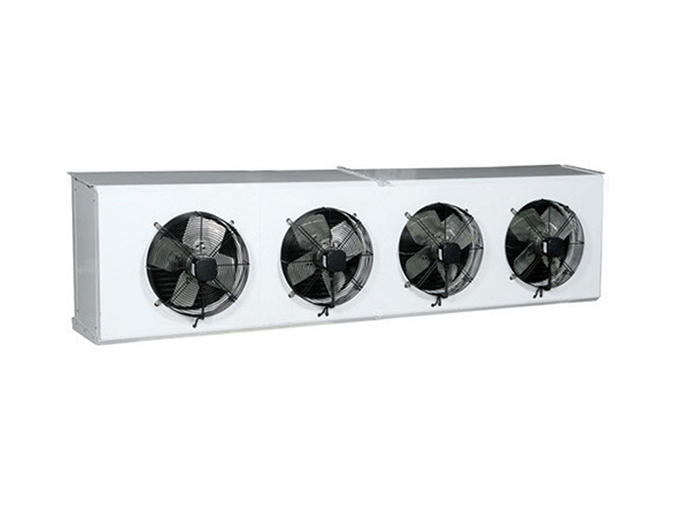
The refrigeration evaporator primary function is to then convert the liquid refrigerant from a liquid to gas phase so that it can draw heat from the surrounding environment to produce a cooling effect. The mechanism is a thermodynamic one, in which the liquid refrigerant boils at a lower temperature when its pressure is dropped. And it can also pump heat out of the building via the refrigerant cycle so that the indoor temperature is stable.
Key Components and Different Types of Refrigeration Evaporators
The refrigeration evaporator usually consists of a heating chamber and an evaporation chamber (or separating chamber). A heating chamber provides heat and heat up for evaporation of the liquid; an evaporation chamber is the section for the liquid to become vapor and the steam gets separated from the liquid. According to flow direction of solution in evaporator, it can be further classified into circulation type and one way type evaporator. The circulation evaporator can be divided into nature circulation evaporator and forced circulation evaporator, and the single pass evaporator can be divided into rising film evaporator, falling film evaporator and scraper thin film evaporator.
How Evaporator Refrigeration Systems Work
The evaporator refrigerating system refrigerant liquid guides low-pressure and low tempeature evaporation, absorbs the heat of cooling medium, turns into low-temperatural low-pressure dry saturated gas or superheated steam refrigerant. From this process, indoor heat is absorbed, and cold energy is generated and output inside the refrigeration system. Refrigeration evaporator is widely used in chemical industry, food processing, pharmaceutical manufacturing and other fields, for the concentration of materials, drying and purification process.

How Coolroom Condensers Convert Gas to Liquid and Release Heat
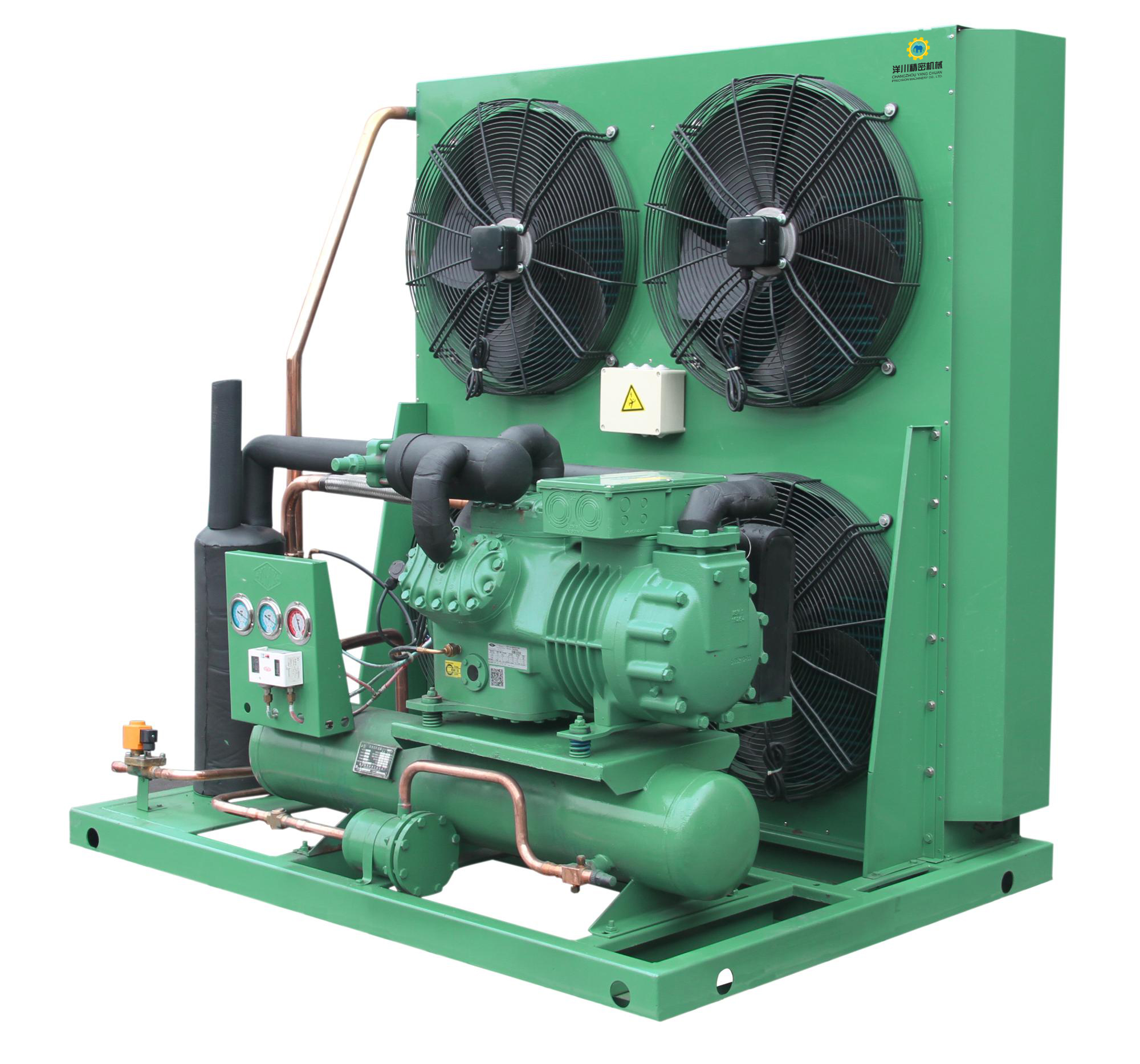
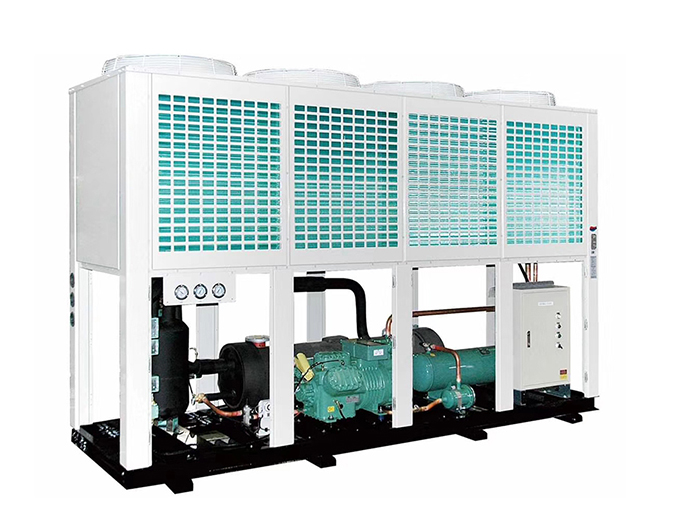
The principal function of a coolroom condenser in a refrigeration system, in contrast with an evaporator, is to transform a gas refrigerant in the liquid and rejecting, in the process, the absorbed heat to the surroundings. Principle of working of condensation: Condenser operates on the heat exchange phenomenon. In the condenser, the high-temperature high-pressure gaseous refrigerant flows through the pipes and releases heat to the surrounding cooling medium (air or water), thus the refrigerant is cooled and condensed into liquid.
Applications of Coolroom Condensers in Various Industries
Coolroom condensers are used in many applications like chemical, laboratory, refrigeration and air conditioning. In refrigeration and air-conditioning system, condenser is one of the main unit for achieve refrigeration effects. In order achieve comfortable indoor temperature environment. The high-temperature and high-pressure gaseous refrigerant condensation to liquid, and through the fan to deliver heat to air. According to the structural division, the types of condensers can be classified into shell type, casing type, plate type, spray type and other different types.
The Role of Coolroom Condensers in Enhancing Refrigeration Efficiency
As the Condenser rests outside in cold storage, it is also called as “Outside machine”. It is an important part of refrigeration cycle that can ensure the effective cycle and realization of refrigerating effect of refrigerant. In general, this component uses a fan to blow cooling air over a set of coils containing the refrigerant, greatly enhancing the efficiency of heat exchange and allowing the refrigerant to efficiently dissipate heat to the environment.
What is the difference between a condenser and an evaporator?
Different work function: Evaporator is the main function that changes the liquid refrigerant into gas and absorbs heat. Coolroom condensers change the gas refrigerant into liquid, disperse heat.
Separated locations: Normally, in both refrigeration systems, the refrigeration evaporator is located from the interior or area that needs to be cooled, while the coolroom condenser is found outdoors or out of reach of the area that demands cooling.
The working condition is just the opposite: the refrigerant in the evaporator is in a low pressure low temperature state for evaporation and heat absorption; the refrigerant in the condenser is in a high pressure high temperature state for condensation and heat release.
Different types of systems: refrigeration evaporator and coolroom condenser can be of different types so as to meet different applications requirement and specifications.
Both refrigeration evaporators and coolroom condensers are vital components of the refrigeration cycle, each with distinct roles and functions. Understanding the differences between these two components is essential for effectively designing, operating, and maintaining refrigeration systems.
FAQ:
1.Does a cold room need to be vented?
Yes, cold rooms need ventilation to ensure proper airflow, prevent heat buildup, and maintain the efficiency of the refrigeration system.
2.What is the ideal temperature for a cold storage room?
The ideal temperature varies: for refrigeration, it’s typically 0–5°C (32–41°F), while for freezing, it’s around -18°C (0°F).
3.Should a cold storage room be insulated?
Yes, insulation is crucial to maintain temperature, reduce energy consumption, and prevent heat from entering the cold room.
4.What are the requirements for a cold room?
A cold room requires proper insulation, refrigeration units, ventilation, temperature control, and compliance with health and safety regulations.
5.Where is the evaporator in the cold room?
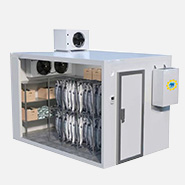
The evaporator is typically located inside the cold room, often mounted on the ceiling or walls, to facilitate cooling.
6.Is the evaporator outside or inside?
The evaporator is usually placed inside the cold room to directly cool the air and maintain the required temperature.
7.What is a refrigeration unit for a cold room?
A refrigeration unit is the system that cools the cold room, typically comprising a compressor, condenser, evaporator, and expansion valve.



Recent News
1.Features and Benefits of Containerized Cold Storage Room
2021-09-092.Compressor and condenser matching and selection
2019-10-313.Features and application of cold room evaporator
2020-01-094.Precautions For Cold Room Evaporator
2020-02-065.How To Choose Air Cooled Cold Room And Water-Cooled Cold Room?
2020-02-18