




How long should a walk in freezer last?
 Jun 13, 2025|
 View:963
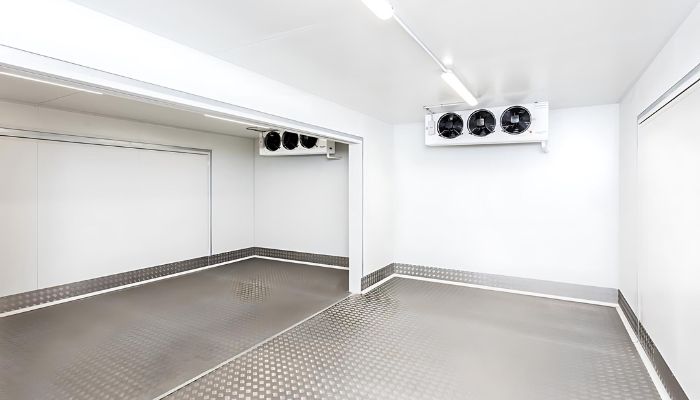
Walk in freezers are essential for businesses in the food service, pharmaceutical, and hospitality industries. They provide large-scale cold storage, ensuring perishable goods remain frozen and safe for consumption or use. However, like any commercial appliance, walk-in freezers have a finite lifespan. Understanding how long a walk-in freezer should last—and how to maximize its longevity—can save businesses significant money in repairs and replacements.
This article explores the typical lifespan of a walk-in freezer, factors that influence durability, maintenance best practices, and signs that indicate it may be time for a replacement.
Expected Lifespan of a Walk-In Freezer
On average, a well-maintained walk-in freezer can last 15 to 20 years. However, this estimate varies based on several factors, including:
Build quality – Commercial-grade freezers with high-quality insulation, durable panels, and robust refrigeration systems tend to last longer.
Usage intensity – Freezers in high-traffic environments (e.g., busy restaurants or supermarkets) may wear out faster than those in low-usage settings.
Maintenance practices – Regular servicing and prompt repairs significantly extend lifespan.
Climate conditions – Freezers in extreme temperatures (very hot or humid environments) may experience additional strain.
If a walk-in freezer fails before the 10-year mark, it often indicates poor maintenance, manufacturing defects, or improper installation.
Key Factors Affecting Longevity
1. Quality of Construction
The materials used in a walk-in freezer’s construction play a crucial role in its durability. High-density polyurethane insulation, stainless steel or galvanized steel panels, and commercial-grade refrigeration units contribute to a longer lifespan. Cheaper models with thin insulation or weak structural components may deteriorate faster.
2. Refrigeration System Efficiency
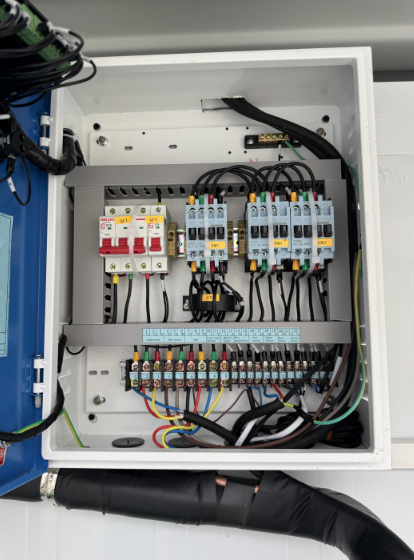
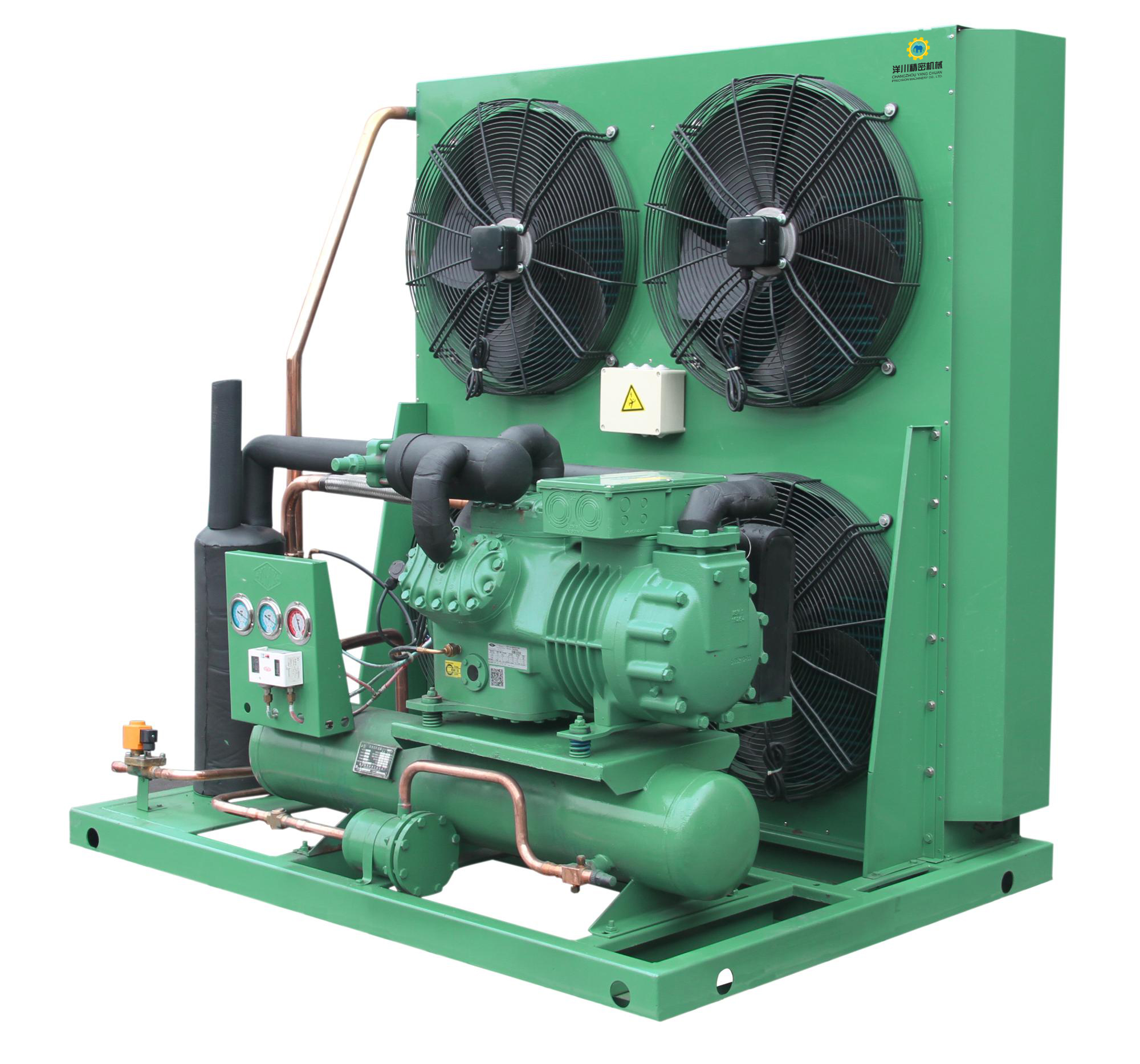
The compressor, evaporator, and condenser are the heart of a walk-in freezer. A well-designed refrigeration system with energy-efficient components reduces wear and tear. Regular servicing (e.g., checking refrigerant levels, cleaning coils, and inspecting electrical connections) ensures optimal performance.
3. Door Seals and Gaskets
Worn-out or damaged door gaskets allow warm air to enter, forcing the freezer to work harder. This increases energy consumption and accelerates wear on the compressor. Inspecting and replacing gaskets every few years can prevent premature failure.
4. Frequency of Use
A walk-in freezer in a 24/7 restaurant will experience more strain than one in a seasonal business. Frequent door openings, heavy loading, and constant temperature fluctuations can shorten the unit’s lifespan.
5. Proper Installation
Poor installation—such as inadequate floor leveling, improper ventilation, or incorrect electrical wiring—can lead to early breakdowns. Always hire experienced professionals for installation.
Maintenance Tips to Extend Lifespan
To ensure a walk-in freezer lasts 20 years or more, follow these maintenance best practices:
1. Regular Cleaning
Defrost the freezer periodically to prevent ice buildup.
Clean condenser coils every 3-6 months to maintain efficiency.
Wipe down interior surfaces to prevent mold and odors.
2. Monitor Temperature and Humidity
Use a digital thermometer to ensure consistent temperatures (typically -10°F to 0°F for freezers).
Check humidity levels to prevent frost accumulation.
3. Inspect Door Seals
Test gaskets by closing the door on a dollar bill—if it slips out easily, the seal needs replacement.
4. Schedule Professional Servicing
Have a refrigeration technician inspect the system annually.
Address refrigerant leaks or unusual noises immediately.
5. Avoid Overloading
Excessive weight can strain hinges, flooring, and refrigeration components.
Signs It’s Time to Replace Your Walk-In Freezer
Even with excellent maintenance, all freezers eventually wear out. Watch for these red flags:
1. Rising Energy Bills
If the freezer consumes significantly more electricity than usual, the compressor or insulation may be failing.
2. Frequent Breakdowns
Needing repairs more than once a year suggests the unit is nearing the end of its useful life.
3. Inconsistent Temperatures
Fluctuating temperatures or failure to maintain the set freezing point indicate system failure.
4. Excessive Frost or Ice Buildup
This often points to poor insulation or refrigerant leaks.
5. Rust or Structural Damage
Corroded panels, warped doors, or water leaks compromise efficiency and safety.
A well-built and properly maintained walk-in freezer should last 15 to 20 years. Key factors influencing longevity include construction quality, refrigeration system efficiency, maintenance habits, and usage patterns. By following best practices—such as regular cleaning, professional servicing, and prompt repairs—businesses can maximize their freezer’s lifespan and avoid costly early replacements.