




What are the requirements for a cold room?
 Jun 18, 2025|
 View:1091
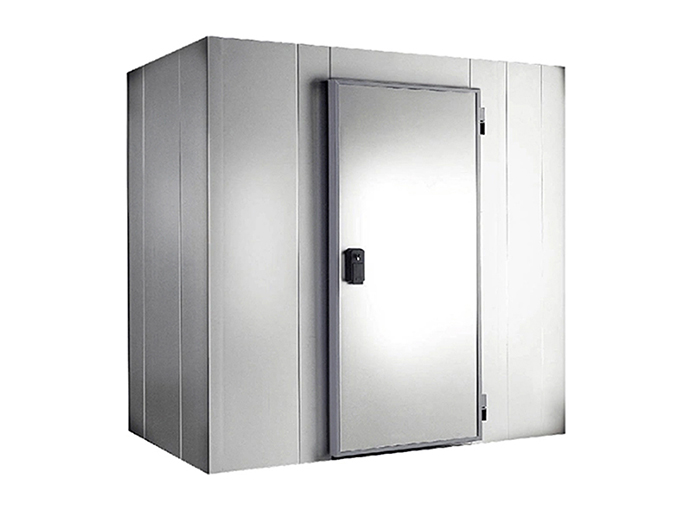
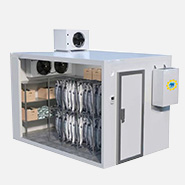
Cold rooms, ranging from small walk-in units to massive distribution warehouses, are critical pieces of infrastructure underpinning the modern food supply chain, pharmaceutical industry, biotech research, floral trade, and many industrial processes. Their sole purpose is to maintain a precisely controlled low-temperature environment to preserve product quality, safety, and integrity. Achieving this reliably, safely, and efficiently requires meticulous attention to numerous technical and operational requirements. This article delves into the core requirements essential for any functional cold room.
I. Defining the Purpose: The Starting Point
Temperature Range: The most fundamental specification. Requirements vary drastically:
Chilled Storage: +2°C to +8°C (Produce, dairy, beverages, some pharmaceuticals, florals).
Refrigerated Storage/Frozen Storage: -5°C to -25°C (Meat, frozen meals, ice cream).
Deep Freeze/Ultra-Low Freeze (ULF): -30°C to -80°C or lower (Specific pharmaceuticals, biological samples, specialty foods, some industrial uses).
Humidity Control: High humidity (90-95% RH) is vital for preventing dehydration in fresh produce and florals. Lower humidity may be required for frozen items to prevent ice build-up on evaporators. Control often requires dedicated humidification or dehumidification systems.
Product Type & Sensitivity: Knowing what is stored dictates other needs:
Thermal Load: Heat generated by the product itself (e.g., fresh produce respires, warm goods entering).
Chemical Sensitivity: Certain plastics or packaging might degrade at very low temps.
Airflow Requirements: Delicate items require gentle airflow, while rapid freezing demands high velocity.
Capacity & Throughput: The volume of product to be stored and the rate of turnover impact sizing, door types, material handling (racking/pallets), and refrigeration capacity.
Access Frequency & Patterns: How often and how quickly doors will be opened affects insulation choices, door types, and refrigeration overcapacity needed.
II. The Envelope: Building a Thermal Fortress
The structure itself is the first line of defense against heat ingress.
Insulation:
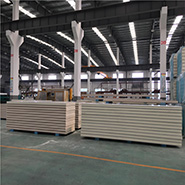
Core Material: Rigid polyurethane (PUR) or polyisocyanurate (PIR) foam panels are industry standards due to their excellent thermal resistance (high R-value/low U-value, typically 0.10 - 0.20 W/m²K or lower for deep freeze). Expanded Polystyrene (EPS) is cheaper but less effective per unit thickness. Vacuum Insulated Panels (VIPs) offer ultra-high performance but at higher cost.
Thickness: Directly proportional to temperature differential and required efficiency. Chilled rooms might use 100-150mm panels; standard freezer panels are 150-200mm; deep freeze requires 200mm+ or VIPs.
Seamless Integrity: Panels must be joined with tightly interlocking profiles (cam-lock systems) and sealed with specialized non-porous, low-temperature compatible sealants to eliminate thermal bridging and air leakage.
Vapor Barrier (Vapour Retarder): Critical within the wall assembly. Any moisture-laden air infiltrating the insulation will condense and freeze, degrading performance and structurally damaging the panel over time. The vapor barrier must be continuous, impermeable, and integral to the panel design or meticulously taped and sealed at all joints. Failure here is a primary cause of long-term cold room failure.
Floor Construction: Must withstand heavy loads (pallets, lifts), provide thermal breaks, and prevent ground moisture/vapor ingress.
Insulation: High-density extruded polystyrene (XPS) or PIR is common underneath.
Heated Subfloor (For Freezers): Essential! Prevents ground heave (frost coming up through the slab) by keeping the ground beneath above freezing. Uses embedded heating elements or glycol loops.
Slip Resistance & Durability: Specialized coatings or toppings required.
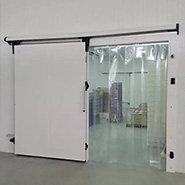
Door Systems: Major source of energy loss. Requirements:
Type: High-speed doors (air curtains less effective for frequent access), rapid roll-up doors, or well-sealed hinged doors. Airlock vestibules are ideal for high-traffic environments.
Insulation: Match or exceed wall U-value. Core filled PIR/PUR panels.
Seals: Continuous, flexible magnetic or bulb gaskets providing airtight closure. Self-closing mechanisms essential.
Visibility: Large windows (triple-glazed, heated) reduce unnecessary entry.
Safety: Emergency release mechanisms from the inside (panic bars), alarms if stuck open, and window visibility are crucial.
Structural Support: Framing for ceilings supporting evaporators or services must be designed to avoid thermal bridging. Load-bearing capacity must account for potential ice accumulation inside.

III. The Refrigeration System: The Engine Room
The mechanical system must remove heat efficiently and maintain stability.
Capacity (Tonnage): The system must be sized to handle:
Transmission Load: Heat leaking through walls, floor, ceiling.
Product Load: Heat removal from products entering (pulldown) and heat generated by products.
Infiltration Load: Heat gain from door openings and personnel entry.
Internal Loads: Lighting, motors (fans), defrost cycles.
Safety Margin: Typically 10-20% additional capacity for unexpected loads, warm weather, etc. Undersizing leads to temperature swings and equipment burnout; significant oversizing is inefficient.
System Type & Configuration:
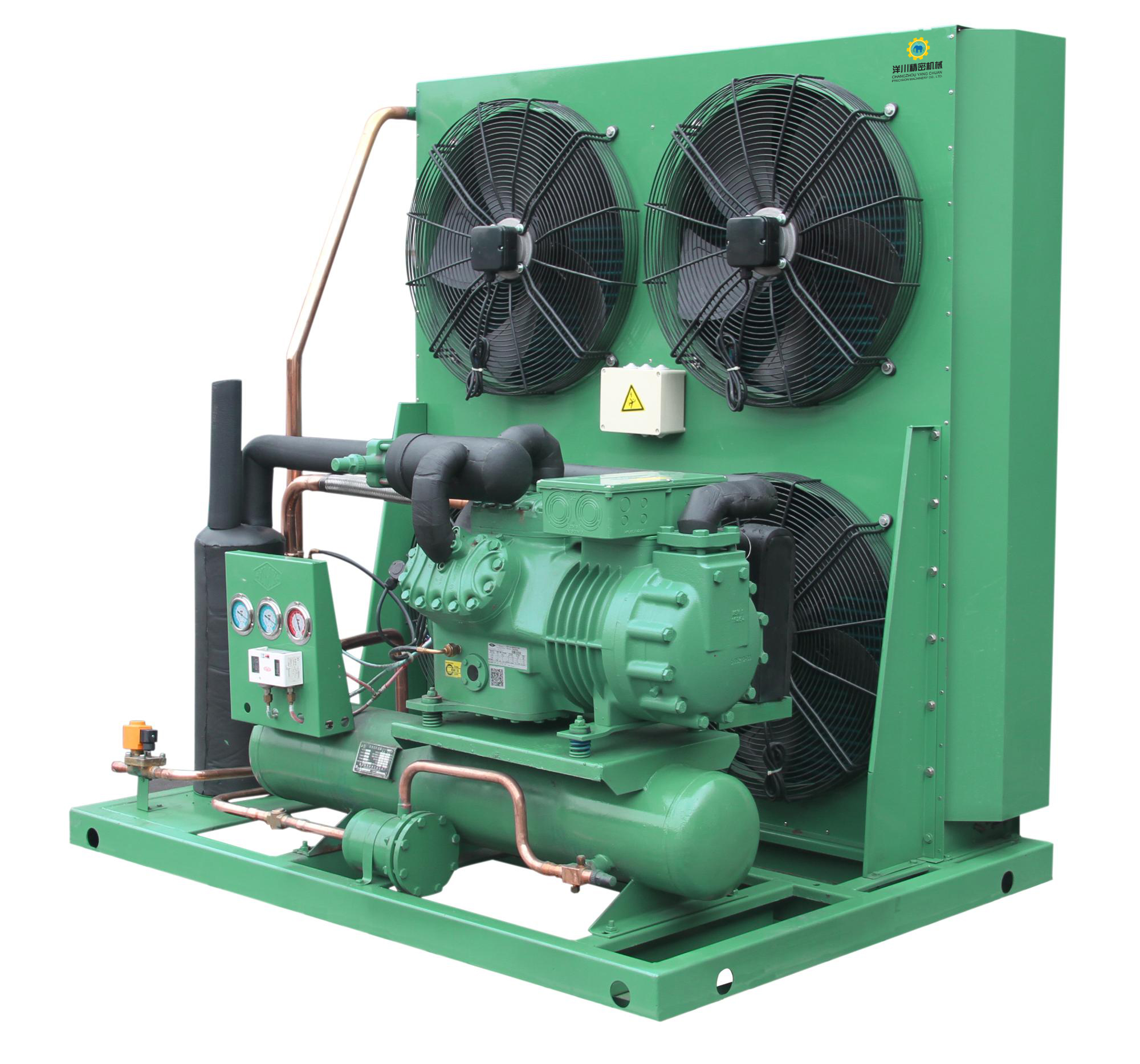
Remote Condensing: Condensing unit(s) located outside or in a plant room. Evaporators (cooling units) inside the cold room. Most common for medium to large rooms.
Self-Contained: Integral unit combining compressor, condenser, and evaporator (mounted on roof or through-wall). Suitable for smaller walk-ins.
Secondary Refrigerant/Cascade: Used for very low temperatures (ULF) where primary refrigerant would be impractical or inefficient.
Refrigerant Choice: HFCs/HFOs are still prevalent but being phased down globally due to high GWP. Ammonia (NH3), CO2 (R744), and hydrocarbons (propane) are growing in popularity due to lower environmental impact (low/no GWP) and often superior efficiency, though requiring specific safety designs (especially NH3). Regulatory compliance (e.g., F-Gas Regulation in EU, EPA Sec 608 in US) is mandatory.
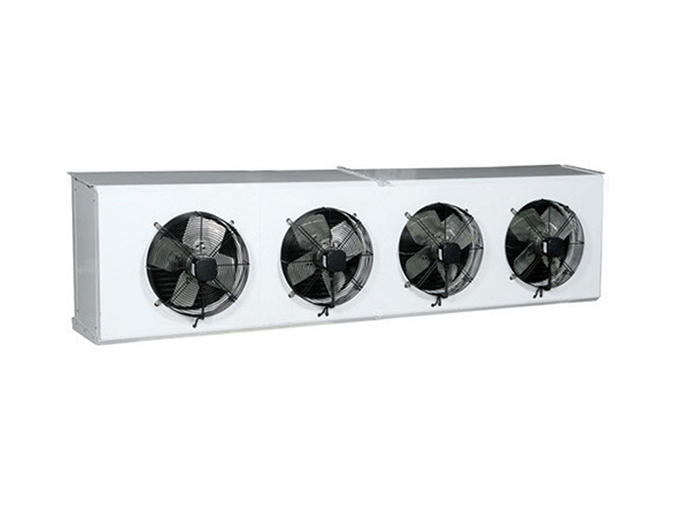
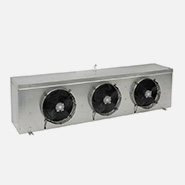
Evaporators (Cooling Units):
Coil Design: Optimized surface area for efficient heat transfer. Fin spacing crucial for frost management (wider for freezers).
Defrost System: Essential! Methods:
Electric: Most common, efficient for controlled defrosts.
Hot Gas: Uses compressor discharge heat, efficient but complex control needed.
Water: Effective but messy, requires drain systems and freeze prevention.
Fans: Energy-efficient EC (Electronically Commutated) fans are standard. Correct airflow volume and velocity across the coil and throughout the room are vital (prevent stratification). Gentle airflow mode for sensitive products.
Compressors: The workhorse. Types: reciprocating, scroll, screw. Variable Speed Drive (VSD) compressors offer significant energy savings by matching capacity to load. Reliability and serviceability are key.
Controls & Monitoring:
Precision Thermostat: Maintains temperature within tight tolerances (e.g., +/-0.5°C for pharma).
Defrost Controller: Optimizes defrost timing (by time, temperature differential, or coil pressure drop), duration, and termination (temperature rise). Critical for efficiency and preventing ice melt dripping on product.
Data Logging: Records temperature, humidity (if applicable), defrost cycles, alarms. Essential for HACCP, GxP, and auditing requirements.
Alarms: Audible/visual and remote notification for temperature deviations (high/low), door open too long, power failure, system faults.
Remote Access: Ability to monitor and adjust settings via building management systems (BMS) or cloud platforms.
IV. Internal Environment Management & Safety
Lighting: LED lighting exclusively – low heat output, high efficiency, long lifespan in cold environments. Emergency lighting required (battery-backed).
Racking: Galvanized or specialized painted steel designed for cold temperatures (avoid brittleness). Strong enough for pallet loads.
Floor Finishes: Non-slip, durable epoxy coatings, or resinous toppings that withstand freeze-thaw cycles, impact, and cleaning chemicals.
Personnel Safety:
Alarms: Internal audible/visual door-open alarms and external alarms for extended openings or entrapment.
Emergency Exit: Clearly marked, functioning panic release on all doors. Airlock vestibules can help prevent accidental lock-ins.
Communication: Emergency phone or intercom system inside the room.
PPE: Adequate cold-weather gear must be available and enforced for prolonged entries.
Ventilation: Limited air exchange may be needed to prevent odor buildup or CO2 accumulation from produce (especially in MAP/CAS storage). Controlled ventilation minimizes energy loss.
V. Regulatory & Operational Compliance
Meeting standards is non-negotiable:
Food Safety: HACCP principles require documented proof of temperature control. Standards like ISO 22000, SQF, BRCGS. FDA Food Code requirements (US).
Pharmaceuticals/Biotech: Stringent regulations (GMP - Good Manufacturing Practice, GCP, GLP). Compliance with FDA 21 CFR Part 11 for electronic records, EU Annex 1. Validation (IQ/OQ/PQ) is essential.
Building Codes: Fire safety (fire-rated panels/sprinklers), electrical safety, structural engineering, accessibility.
Environmental Regulations: Refrigerant management (leak checks, F-gas certification), energy efficiency standards for equipment.
Energy Efficiency: Beyond compliance, minimizing kW/ton (COP) reduces operational costs and carbon footprint. Optimized insulation, VSDs, EC fans, high-efficiency compressors, and proper maintenance are key.
VI. Installation, Commissioning, and Maintenance
Installation: Must be performed by qualified contractors ensuring perfect panel sealing, vapor barrier continuity, and refrigerant piping integrity (leak-free welds, pressure testing, vacuum drying). Correct electrical work.
Commissioning: Essential step. Verifies the system:
Reaches setpoint temperature and recovers quickly after door opening.
Defrosts effectively without temperature spikes or water leakage.
Alarms function correctly.
Logs data accurately.
Validation is critical for regulated industries.
Maintenance: An absolute requirement for ongoing efficiency and reliability. Schedule:
Regular: Coil cleaning (dust/debris), checking/cleaning drain pans/lines, inspecting/replacing door seals, checking thermostat calibration, verifying alarm function.
Periodic: Refrigerant leak checks (mandatory for F-gases), compressor oil changes, evaporator fan motor checks, electrical connection inspections, condenser cleaning (external).
Contingency: Plans for compressor failure or critical component loss (redundancy?).
VII. Emerging Trends & Future Considerations
Natural Refrigerants: Continued shift towards CO2 cascade, NH3/CO2 cascade, and hydrocarbon systems.
IoT & Advanced Controls: AI-driven optimization for defrost cycles, temperature setpoints, and energy consumption. Predictive maintenance based on sensor data.
Energy Recovery: Utilizing waste heat from the refrigeration process for other building needs (e.g., hot water, space heating).
Enhanced Insulation: Wider adoption of VIPs and improved PUR/PIR formulations for thinner yet high-performance walls.
Automation: Integration with automated storage and retrieval systems (AS/RS) for pallets or totes, minimizing personnel entry and door openings.
Designing and operating an effective cold room is a complex engineering and operational challenge requiring a holistic approach. It's not merely about installing an oversized air conditioner in a shed. Every requirement – from the precise definition of the storage environment to the minutiae of door seals and defrost timers – plays a critical role. Neglecting insulation integrity or vapor barriers leads to catastrophic long-term failure. Poorly sized or maintained refrigeration systems incur excessive energy costs and risk product spoilage. Inadequate safety features endanger lives. Compliance is a baseline, not an aspiration. Ultimately, the successful cold room operates unseen and unheard, maintaining a precise, stable, and efficient environment that protects valuable products, ensures safety, and supports the seamless flow of essential goods – the unseen foundation of modern commerce and health.