




How to Build Cold Storage for Fruits and Vegetables?
 Jul 15, 2025|
 View:898
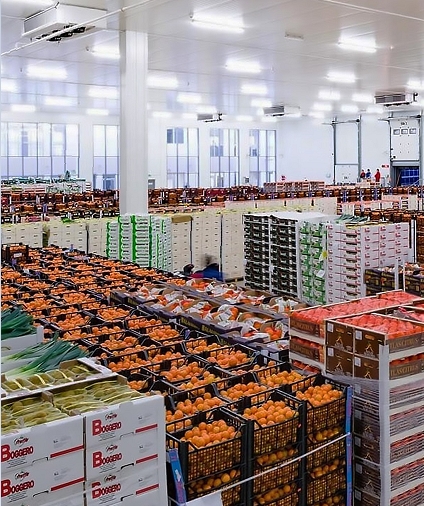
Proper cold storage is essential for preserving the quality, freshness, and nutritional value of fruits and vegetables after harvest. Building an effective cold storage facility requires careful planning, appropriate materials, and understanding of temperature and humidity requirements for different produce types. This comprehensive guide will walk you through the key steps in constructing your own cold storage unit.
1. Planning Your Cold Storage Facility
Before beginning construction, you must carefully plan your cold storage facility:
Determine Your Needs
Produce volume: Calculate how much produce you need to store
Types of produce: Different fruits/vegetables have varying storage requirements
Storage duration: Short-term vs. long-term storage needs
Available space: Measure the area where you'll build the facility
Choose the Right Location
Select a shaded area protected from direct sunlight
Ensure good drainage to prevent water accumulation
Consider proximity to your production area for convenience
Allow space for future expansion if needed
2. Design Considerations
Insulation
Proper insulation is crucial for maintaining consistent temperatures:
Walls: Use polyurethane foam (PUF) panels (100-150mm thick) or polystyrene sheets
Floor: Insulate with 50-75mm extruded polystyrene beneath the concrete
Ceiling: Install thick insulation with vapor barrier
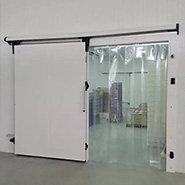
Doors: Use well-insulated, airtight doors with rubber seals
Size and Layout
Standard sizes range from small rooms (5×5m) to large warehouses
Include separate compartments for different temperature zones if needed
Design proper airflow channels for uniform cooling
Include space for shelving or pallet racks
3. Construction Materials
Wall Construction Options
Prefabricated panels: Most efficient but more expensive
PUF or EPS sandwich panels (100-150mm thick)
Quick installation with excellent insulation
Brick/concrete walls with added insulation
More affordable but requires proper insulation installation
Apply vapor barrier before insulation
Floor Construction
4-6 inch concrete slab over insulation
Slope floor slightly for drainage
Non-slip finish for safety
Consider rail systems for pallet movement
Roof Construction
Well-insulated to prevent heat gain
Properly sealed to prevent moisture entry
Consider reflective coating to reduce heat absorption
4. Cooling Systems
Select an appropriate cooling system based on your needs:
Mechanical Refrigeration
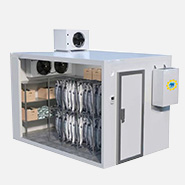
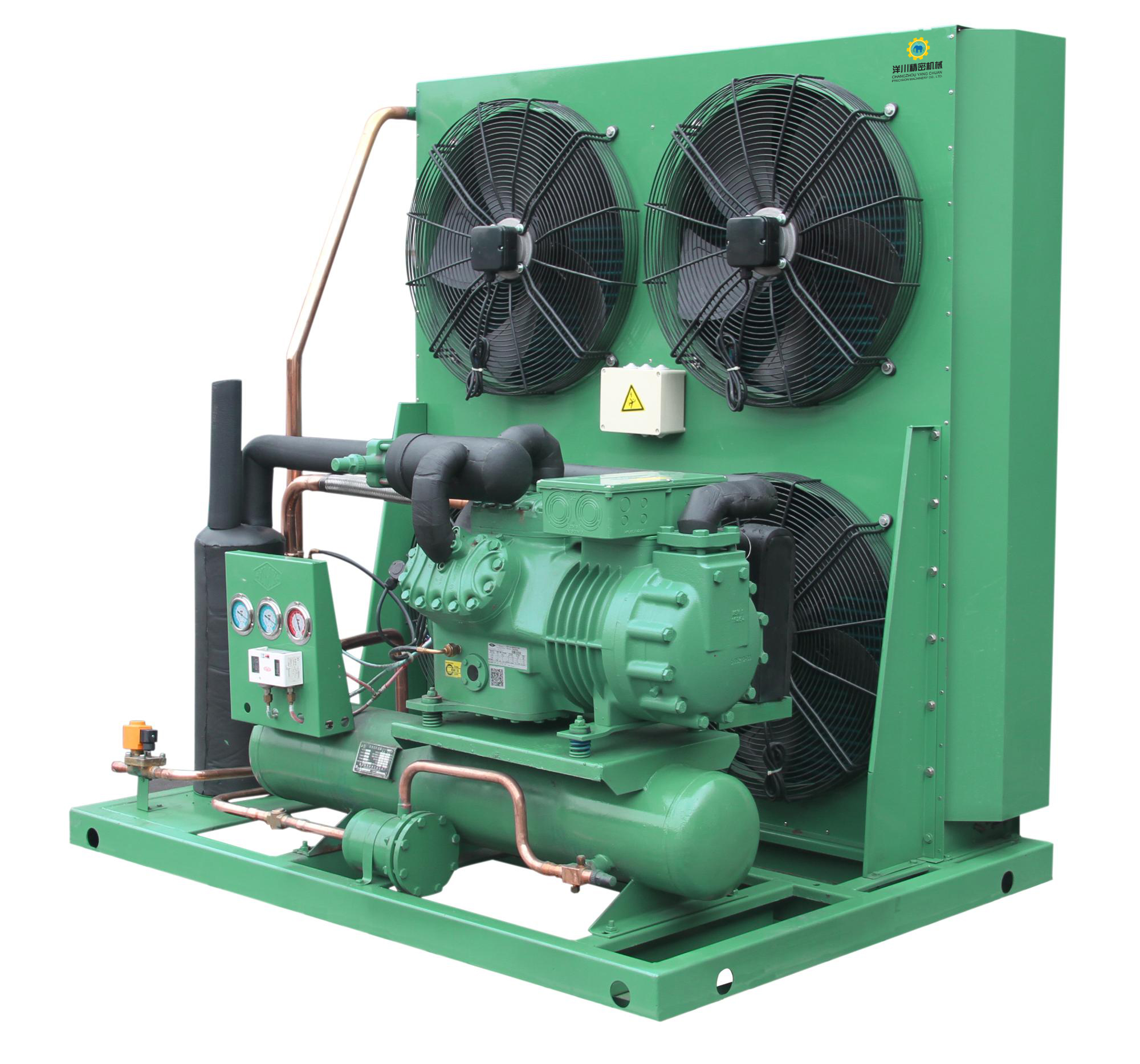
Compressor-based systems: Most common for commercial storage
Choose capacity based on room size and heat load
Include backup power for reliability
Evaporative cooling: Lower cost option for some climates
Works best in dry environments
Limited temperature reduction capability
Temperature Control
Install digital thermostats with ±0.5°C accuracy
Consider separate controls for different zones
Include alarm systems for temperature deviations
Humidity Control
Most fruits/vegetables require 85-95% relative humidity
Install humidifiers or misting systems if needed
Use hygrometers to monitor humidity levels
5. Ventilation and Airflow
Proper air circulation is critical for uniform cooling:
Design airflow patterns to reach all stored produce
Space pallets/shelves to allow air movement
Install ceiling fans for air circulation
Include fresh air exchange for ethylene removal
6. Storage Organization
Shelving and Racking
Use corrosion-resistant metal shelving
Space shelves 30-45cm apart for air circulation
Consider mobile racking systems for space efficiency
Packaging
Use ventilated plastic crates or breathable containers
Avoid stacking produce too high to prevent bruising
Label all containers with harvest dates
7. Energy Efficiency Measures
Reduce operating costs with these strategies:
Install LED lighting with motion sensors
Use high-efficiency refrigeration equipment
Consider solar power options where feasible
Implement automatic door closers
Add vestibules or air curtains at entry points
8. Monitoring Systems
Modern cold storage facilities should include:
Digital temperature and humidity loggers
Remote monitoring capabilities
Alarm systems for power failures
Data logging for quality control
9. Maintenance Requirements
Regular maintenance ensures optimal performance:
Clean evaporator coils quarterly
Check door seals monthly
Test backup systems regularly
Inspect insulation for damage
Calibrate sensors annually
10. Special Considerations for Different Produce
Different fruits and vegetables have specific requirements:
Tropical Fruits
Bananas: 13-15°C, 90-95% RH
Mangoes: 10-13°C, 90-95% RH
Temperate Fruits
Apples: 0-4°C, 90-95% RH
Pears: -1 to 0°C, 90-95% RH
Vegetables
Leafy greens: 0°C, 95-100% RH
Root crops: 0°C, 98-100% RH
Tomatoes: 12-15°C, 90-95% RH
11. Cost Considerations
Cold storage construction costs vary widely:
Small walk-in units: 3,000−10,000
Medium commercial units: 15,000−50,000
Large warehouse facilities: $100,000+
Factors affecting cost:
Size of the facility
Insulation materials used
Cooling system type and capacity
Level of automation
Local labor and material costs
12. Safety Features
Include these essential safety elements:
Emergency lighting
Clearly marked exits
Proper ventilation
Fire suppression systems
Slip-resistant flooring
Safety switches on equipment
Building an effective cold storage facility for fruits and vegetables requires careful planning and attention to detail. By following these guidelines, you can create a storage space that maintains optimal conditions for your produce, reduces post-harvest losses, and extends shelf life. Remember to consult with refrigeration specialists and agricultural experts to tailor the design to your specific needs and local climate conditions. With proper construction and maintenance, your cold storage facility will serve as a valuable asset in your agricultural operations for years to come.