




Cold Room Storage for Fruits and Vegetables: A Comprehensive Guide
 Jul 07, 2025|
 View:1402
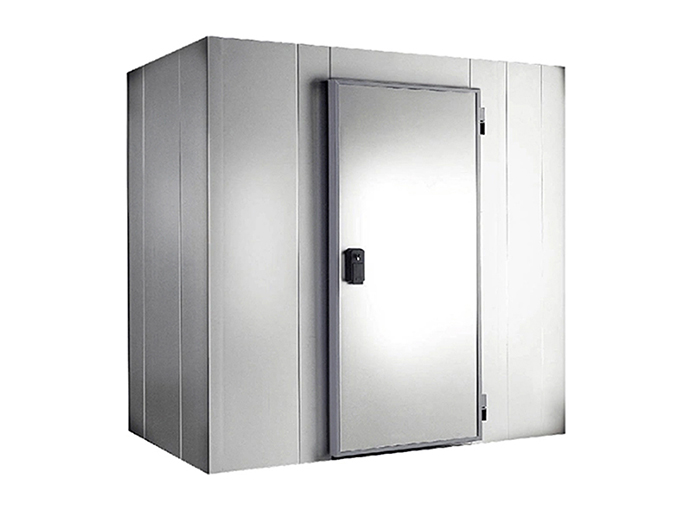
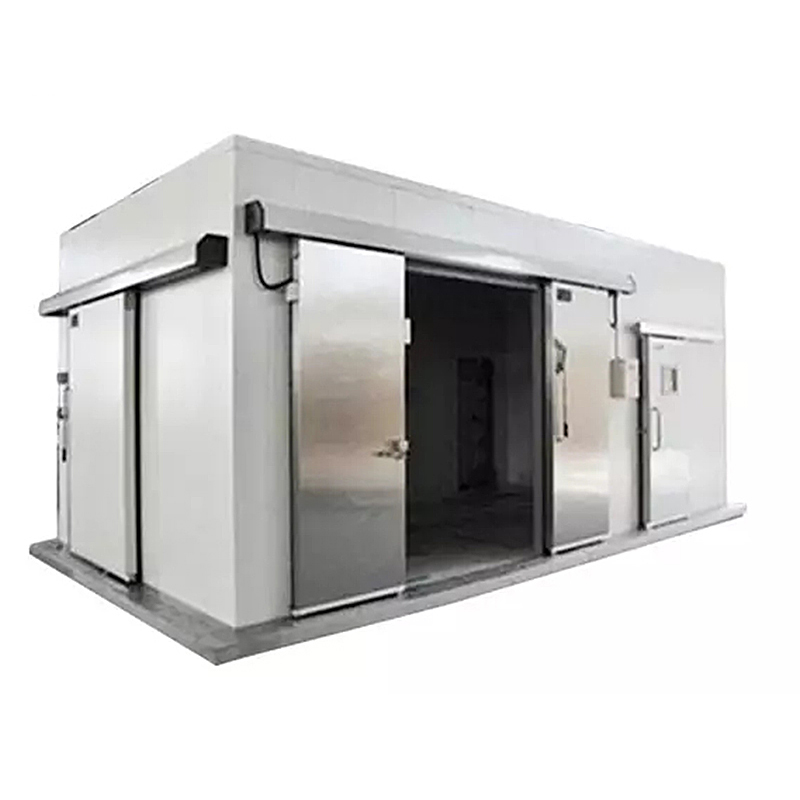
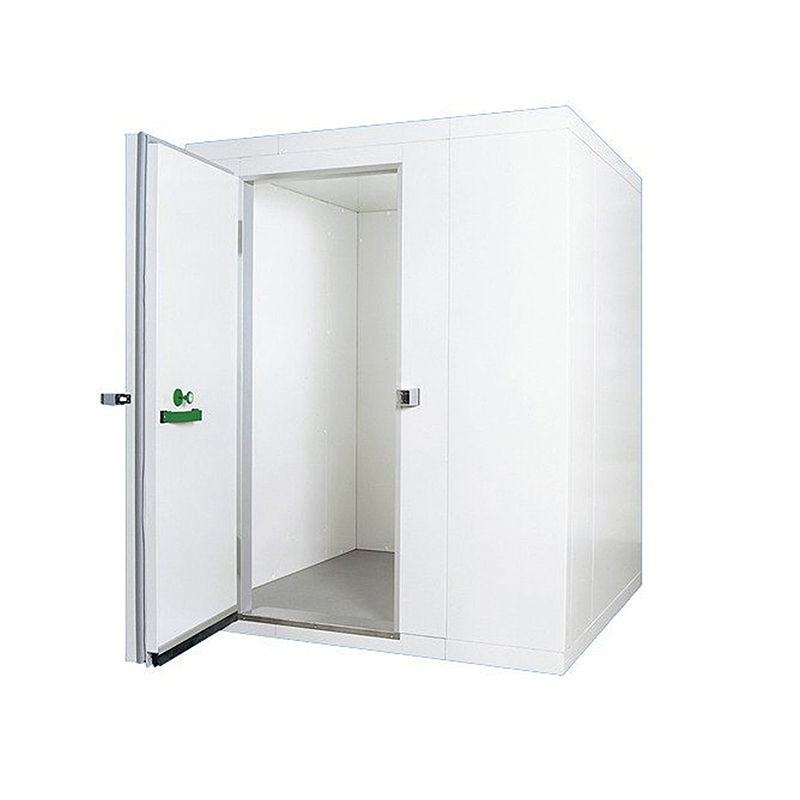
Cold room storage is a specialized refrigeration system designed to preserve the freshness, quality, and shelf life of fruits and vegetables by maintaining optimal temperature, humidity, and air circulation. Unlike general refrigeration, cold rooms are larger, more customizable, and often used in commercial agriculture, food distribution, and retail sectors.
1. What is Cold Room Storage?
A cold room (also called a walk-in cooler) is an insulated, temperature-controlled storage space designed to keep perishable goods fresh for extended periods. For fruits and vegetables, cold rooms regulate:
Temperature (typically between 0°C to 15°C, depending on the produce)
Humidity (usually 85–95% RH to prevent dehydration)
Airflow (to ensure uniform cooling and prevent hot spots)
Ethylene gas levels (to delay ripening and spoilage)
Cold rooms vary in size—from small on-farm units to large commercial warehouses—and can be customized for different types of produce.
2. Key Principles of Cold Room Storage
2.1. Temperature Control
Different fruits and vegetables require specific storage temperatures:
Produce Type | Optimal Storage Temperature (°C) |
Apples, Pears | 0–4°C |
Bananas, Mangoes | 12–15°C (tropical fruits are chill-sensitive) |
Leafy Greens (Lettuce, Spinach) | 0–2°C (high humidity) |
Potatoes, Onions | 4–10°C (lower humidity) |
Chilling injury can occur if sensitive produce (e.g., bananas, tomatoes) is stored below their optimal range, leading to discoloration, texture damage, and accelerated decay.
2.2. Humidity Management
High humidity (90–95% RH) is ideal for leafy greens, berries, and cucumbers to prevent wilting.
Lower humidity (70–80% RH) is better for onions, garlic, and potatoes to avoid mold growth.
Modern cold rooms use humidifiers, misting systems, or dehumidifiers to maintain the right moisture levels.
2.3. Ventilation & Airflow
Proper air circulation prevents:
Hot spots (uneven cooling)
Condensation (which promotes mold)
Ethylene buildup (a ripening gas emitted by some fruits)
2.4. Ethylene Control
Ethylene-producing fruits (e.g., apples, bananas, avocados) accelerate ripening in nearby produce.
Ethylene-sensitive vegetables (e.g., lettuce, broccoli, carrots) spoil faster when exposed.
Solutions: Separate storage, ethylene scrubbers, or activated carbon filters.
2.5. Pre-Cooling Before Storage
Many fruits and vegetables benefit from rapid cooling (pre-cooling) before entering cold storage:
Hydrocooling (submerging in cold water for items like carrots, corn)
Forced-air cooling (using fans to pull cold air through produce)
Vacuum cooling (for leafy greens, reducing temperature quickly via evaporation)

3. Types of Cold Room Storage for Fruits & Vegetables
3.1. Basic Refrigerated Cold Rooms
Standard walk-in coolers for short-term storage (1–4 weeks).
Used in supermarkets, restaurants, and small farms.
3.2. Controlled Atmosphere (CA) Cold Rooms
Adjust oxygen (O₂) and carbon dioxide (CO₂) levels to slow ripening.
Example: Apples stored in 2% O₂, 1% CO₂ can last 6–12 months.
3.3. Modified Atmosphere (MA) Cold Rooms
Use gas-flushed packaging (e.g., for berries, salads).
Extends shelf life without needing full CA conditions.
3.4. Solar-Powered Cold Rooms
Ideal for off-grid farms in developing countries.
Reduce reliance on electricity.
3.5. Portable & Modular Cold Rooms
Used for temporary storage (e.g., harvest season).
Can be moved to different locations.
4. Benefits of Cold Room Storage
4.1. Extends Shelf Life
Reduces spoilage by 50–70% compared to room-temperature storage.
Example:
Tomatoes last 1–2 weeks at room temperature vs. 3–5 weeks in cold storage.
Apples can be stored for 6–12 months in CA cold rooms.
4.2. Maintains Nutritional Quality
Slows vitamin loss (e.g., vitamin C in citrus fruits degrades slower in cold storage).
Preserves texture, color, and flavor.
4.3. Reduces Food Waste
About 30–40% of fresh produce is lost post-harvest due to poor storage.
Cold rooms help farmers, distributors, and retailers minimize losses.
4.4. Supports Global Food Supply Chains
Enables long-distance export of perishable goods.
Helps stabilize market prices by allowing seasonal produce to be stored and sold year-round.
5. Challenges & Limitations
5.1. High Energy Costs
Refrigeration consumes significant electricity.
Solution: Energy-efficient compressors, solar integration.
5.2. Initial Investment & Maintenance
Setting up a cold room can be expensive for small farmers.
Requires regular cleaning, temperature monitoring, and equipment checks.
5.3. Risk of Improper Storage
Wrong temperature/humidity can cause:
Freezing damage (e.g., bananas turn black below 12°C).
Mold growth (if humidity is too high).
5.4. Ethylene Sensitivity Issues
Storing ethylene-producing and ethylene-sensitive produce together can lead to premature spoilage.
6. Future Trends in Cold Room Storage
6.1. Smart Cold Rooms with IoT & AI
Real-time sensors track temperature, humidity, and gas levels.
Predictive analytics alert staff before spoilage occurs.
6.2. Sustainable Refrigerants
Phasing out HFCs (harmful greenhouse gases) in favor of CO₂ or ammonia-based cooling.
6.3. Blockchain for Traceability
Digital tracking of produce from farm to consumer ensures optimal storage conditions.
6.4. Expansion in Developing Countries
Affordable, solar-powered cold rooms help small farmers reduce post-harvest losses.
Cold room storage is a vital technology for preserving fruits and vegetables, reducing food waste, and improving global food security. While challenges like energy costs and initial investments exist, advancements in smart cooling, renewable energy, and sustainable practices are making cold storage more efficient and accessible.