




What is commercial cold room temperature
 Apr 07, 2025|
 View:708
In the food industry, proper temperature control is crucial for maintaining the quality and safety of products. Commercial cold rooms are vital for businesses that require refrigeration for perishable goods, such as supermarkets, restaurants, and food processing facilities. This article explores the ideal temperatures for commercial cold rooms, their importance, and best practices for maintaining these environments.
What is a Commercial Cold Room?
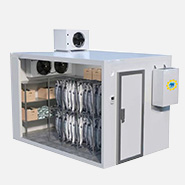
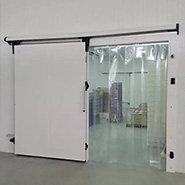
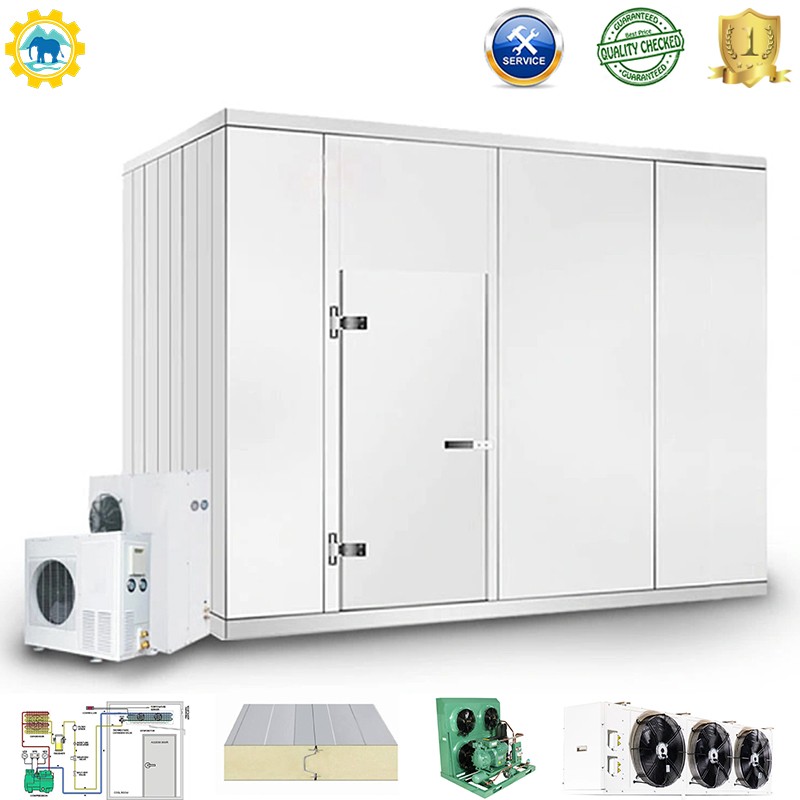
A commercial cold room is a large refrigerated space designed to store perishable items at low temperatures. These rooms are essential for industries like food service, pharmaceuticals, and agriculture, where temperature-sensitive products must be kept at specific conditions to prevent spoilage and ensure safety.
Types of Commercial Cold Rooms
Walk-in Refrigerators: These are large units that allow staff to walk inside for easy access to stored goods. They are commonly used in restaurants and grocery stores.
Walk-in Freezers: Similar to walk-in refrigerators but designed to maintain sub-zero temperatures for items that need to be frozen.
Reach-in Refrigerators and Freezers: Smaller units that are typically used in front-of-house operations, allowing quick access to items while conserving space.
Blast Chillers: Specialized units used to rapidly cool hot food items to safe temperatures, preventing bacterial growth.
Ideal Temperatures for Commercial Cold Rooms
Refrigeration Temperature
The general guideline for refrigeration temperature in commercial cold rooms is between 32°F and 40°F (0°C to 4°C). This range is optimal for preserving the freshness of most perishable goods, including:
Fresh fruits and vegetables
Dairy products
Meat and poultry
Seafood
Maintaining these temperatures helps slow down microbial growth and enzymatic activity, which can lead to spoilage.
Freezing Temperature
For freezing, the ideal temperature is typically around 0°F (-18°C) or lower. This temperature is crucial for:
Long-term storage of meats and seafood
Frozen fruits and vegetables
Prepared meals and bakery items
Specific Temperature Requirements
Different food items have specific temperature requirements. For instance:
Dairy Products: Should be kept at 34°F to 38°F (1°C to 3°C).
Meats: Fresh meat should be stored at 28°F to 32°F (-2°C to 0°C) to maintain quality.
Frozen Foods: Ideally stored at -10°F (-23°C) or lower to preserve texture and flavor.
Importance of Maintaining Cold Room Temperatures
Food Safety
Maintaining the correct temperatures in commercial cold rooms is vital for food safety. The "danger zone," defined as temperatures between 40°F and 140°F (4°C and 60°C), is where bacteria proliferate most rapidly. Keeping food outside this range reduces the risk of foodborne illnesses.
Product Quality
Proper temperature control ensures that food retains its freshness, flavor, and nutritional value. For example, fruits stored at higher temperatures may ripen too quickly, leading to spoilage.
Cost Efficiency
Maintaining optimal temperatures in cold storage can lead to significant cost savings. Spoiled products result in direct financial losses, and improper storage can lead to increased energy costs due to inefficient cooling.
Best Practices for Cold Room Temperature Management
Regular Monitoring
Temperature Logs: Keeping detailed records of temperature readings helps track fluctuations and ensures compliance with safety standards.
Digital Thermometers: Investing in high-quality digital thermometers with alarms for temperature deviations can provide real-time monitoring.
Maintenance
Routine Inspections: Regular checks of refrigeration equipment for signs of wear or malfunction can prevent unexpected failures.
Cleaning: Keeping the cold room clean and free of frost build-up ensures efficient operation and helps maintain consistent temperatures.
Proper Loading Practices
Airflow: Avoid overloading shelves, as proper airflow is crucial for even cooling. Items should be stored in a way that allows cold air to circulate.
Sealing Doors: Ensure that doors close tightly to prevent cold air from escaping, which can lead to temperature fluctuations.
Staff Training
Training staff on the importance of temperature control and best practices for handling perishable items can enhance overall food safety and quality. Employees should be aware of:
The importance of minimizing door openings
Recognizing signs of spoilage
Following proper storage protocols
Commercial cold rooms play an essential role in the food industry by preserving the safety and quality of perishable items. By maintaining proper temperatures—between 32°F and 40°F for refrigeration and around 0°F for freezing—businesses can ensure compliance with safety regulations, reduce waste, and provide high-quality products to consumers. Adopting best practices for monitoring and managing cold room temperatures is crucial for success in any food-related business.