




What is the freezer room called?
 Apr 14, 2025|
 View:804
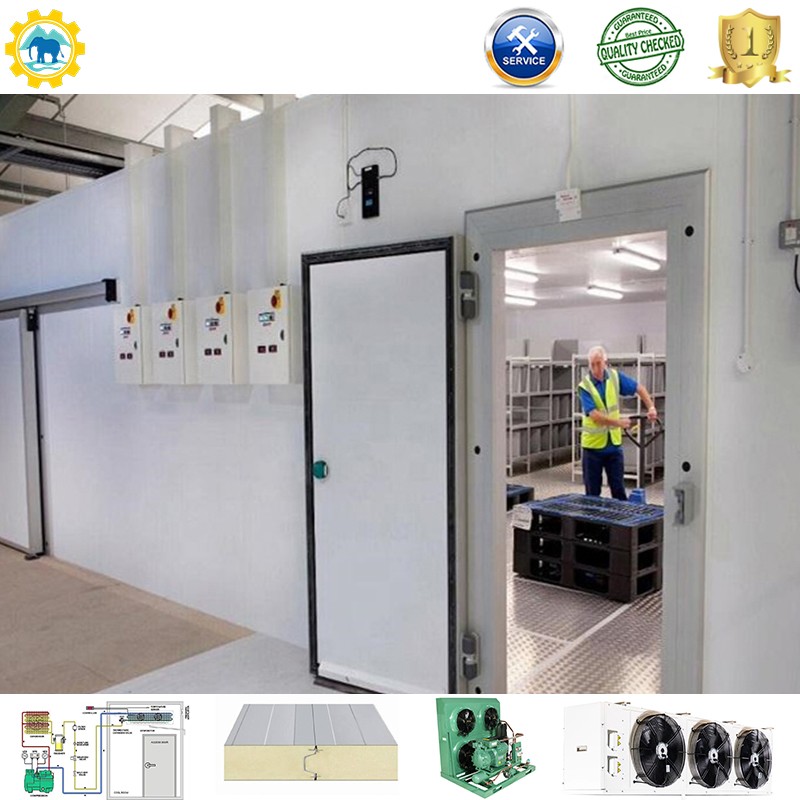
A freezer room, often referred to as a cold storage room or walk-in freezer, is a specialized facility designed to store perishable goods at low temperatures. These rooms play a crucial role in various industries, including food service, pharmaceuticals, and logistics, by preserving the quality and safety of products. This article explores the different types of freezer rooms, their features, applications, and the importance of temperature control in maintaining product integrity.
Types of Freezer Rooms
Freezer rooms can vary significantly in design and functionality, depending on their intended use. Here are some common types:
1. Walk-in Freezers
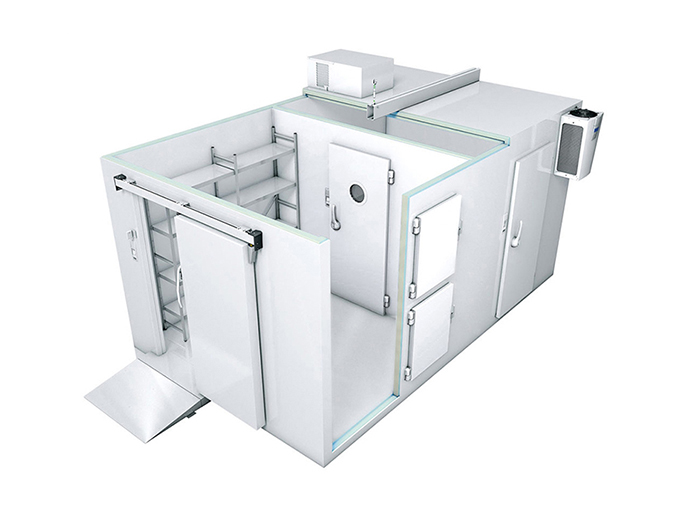
Walk-in freezers are large, insulated rooms that allow personnel to enter and move around inside. They are commonly used in restaurants, grocery stores, and food distribution centers. These freezers provide ample storage space for bulk quantities of frozen food items, making them ideal for businesses that require significant storage capacity.
2. Reach-in Freezers
Reach-in freezers are smaller units designed for easy access to frozen items without the need to enter the room. They are often found in retail environments, such as supermarkets and convenience stores, where quick access to frozen goods is necessary. These units come in various sizes and configurations, including single-door and double-door models.
3. Blast Freezers
Blast freezers are specialized units that rapidly freeze food products to preserve their quality. By quickly lowering the temperature, blast freezers minimize the formation of ice crystals, which can affect texture and taste. These freezers are particularly beneficial for ice cream production, seafood preservation, and other applications where rapid freezing is critical.
4. Refrigerated Containers
Refrigerated containers are portable freezer units used for transporting perishable goods. These containers are essential for logistics companies that need to maintain the cold chain during transportation. They can be used for shipping seafood, meat, fruits, and pharmaceuticals, ensuring that products remain frozen throughout their journey.
Key Features of Freezer Rooms
Freezer rooms possess several critical features that contribute to their effectiveness in preserving perishable items:
1. Temperature Control
The primary function of a freezer room is to maintain a consistent low temperature, typically between -10°F to -20°F (-23°C to -29°C). Advanced temperature control systems allow operators to set and monitor conditions, ensuring that products remain safely frozen.
2. Insulation
Proper insulation is vital for energy efficiency and maintaining temperature. Freezer rooms are constructed with thick insulated panels that minimize heat transfer, reducing energy consumption and operational costs.
3. Humidity Control
Humidity levels can significantly impact the quality of frozen goods. Freezer rooms often include humidity control systems that help maintain optimal moisture levels, preventing dehydration and freezer burn.
4. Airflow Management
Efficient airflow is essential for uniform temperature distribution within the freezer room. Many units are equipped with fans and ventilation systems that circulate cold air, ensuring all products are cooled evenly.
5. Safety Features
Safety is paramount in freezer rooms. Features such as emergency alarms, temperature monitoring systems, and backup power supplies help ensure the safety of stored products and protect against equipment failure.
Applications of Freezer Rooms
Freezer rooms are utilized across various industries, each with specific requirements for temperature control and storage:
1. Food Service Industry
In restaurants and catering businesses, freezer rooms are essential for storing bulk food items, ingredients, and prepared meals. They help maintain food safety standards and reduce waste by preserving perishable items for extended periods.
2. Pharmaceutical Industry
The pharmaceutical industry relies on freezer rooms to store vaccines, medications, and other temperature-sensitive products. Maintaining precise temperature control is crucial for ensuring the efficacy and safety of these products.
3. Logistics and Distribution
Logistics companies use freezer rooms in their warehouses to store perishable goods before distribution. Maintaining the cold chain during storage and transportation is vital for preserving product quality and meeting regulatory requirements.
4. Food Processing
In food processing facilities, freezer rooms are used to store raw materials and finished products. They play a critical role in maintaining the quality of products during production and before distribution.
Importance of Temperature Control
Temperature control is the cornerstone of effective freezer room operation. Maintaining the proper temperature is essential for several reasons:
1. Food Safety
Proper freezing temperatures inhibit the growth of harmful bacteria and pathogens, ensuring that food products remain safe for consumption. Failure to maintain adequate temperatures can lead to foodborne illnesses and spoilage.
2. Quality Preservation
Freezing preserves the texture, flavor, and nutritional value of food products. Rapid freezing minimizes ice crystal formation, which can damage cell structure and affect the quality of the final product.
3. Cost Efficiency
Maintaining optimal temperatures in freezer rooms reduces energy consumption and operational costs. Energy-efficient systems and proper insulation contribute to lower electricity bills and increased profitability for businesses.
4. Compliance with Regulations
Many industries are subject to strict regulations regarding the storage of perishable goods. Compliance with these regulations is essential for avoiding penalties and ensuring the safety of consumers.
Freezer rooms are indispensable facilities in various industries, providing essential storage solutions for perishable goods. With their advanced features and capabilities, these rooms help maintain food safety, preserve product quality, and ensure compliance with industry regulations. As businesses continue to prioritize efficiency and sustainability, the role of freezer rooms in the cold chain will only become more critical in the future. Investing in high-quality freezer rooms not only safeguards products but also contributes to the overall success of a business.