




What is a commercial cold room?
 Feb 26, 2025|
 View:1055
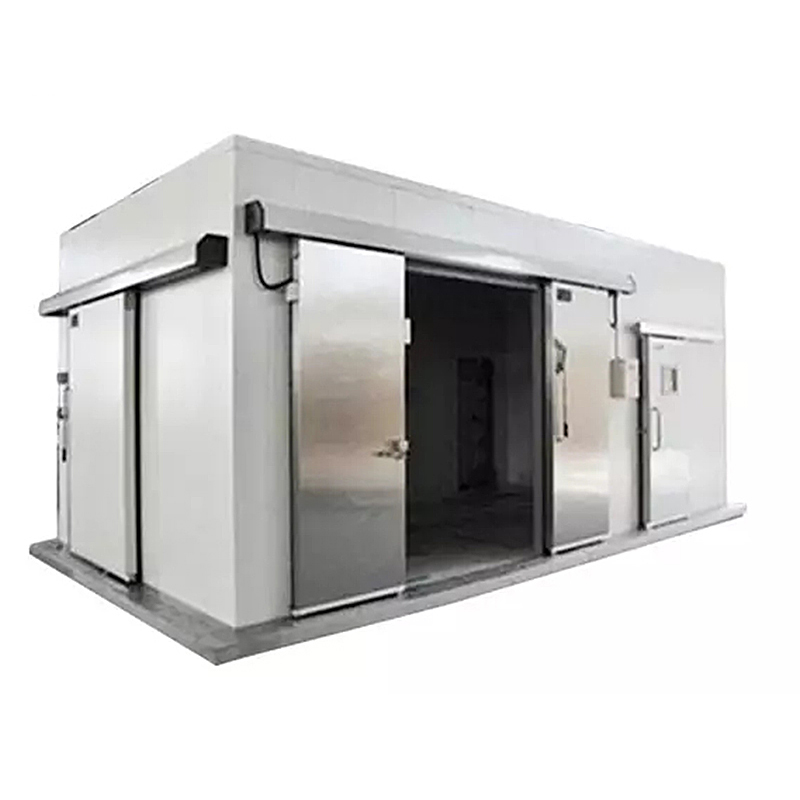
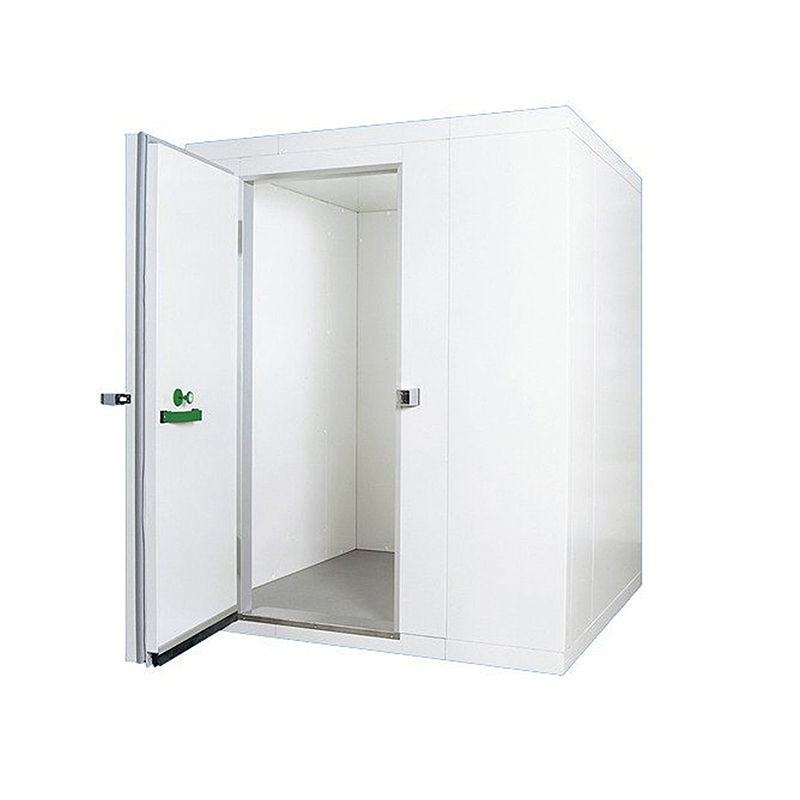
A commercial cold room is a temperature-regulated storage space used to keep perishable products in various industries. These commercial cold rooms are mainly used in businesses like restaurants, supermarkets, warehouses, and food processing plants to ensure that optimal temperature levels are maintained, which helps reduce spoilage, extend product shelf life, and meet health and safety standards. The cold room allows businesses to store items such as fresh produce, dairy, meat, pharmaceuticals, and beverages safely for consumption or sale.

What is commercial cold room temperature?
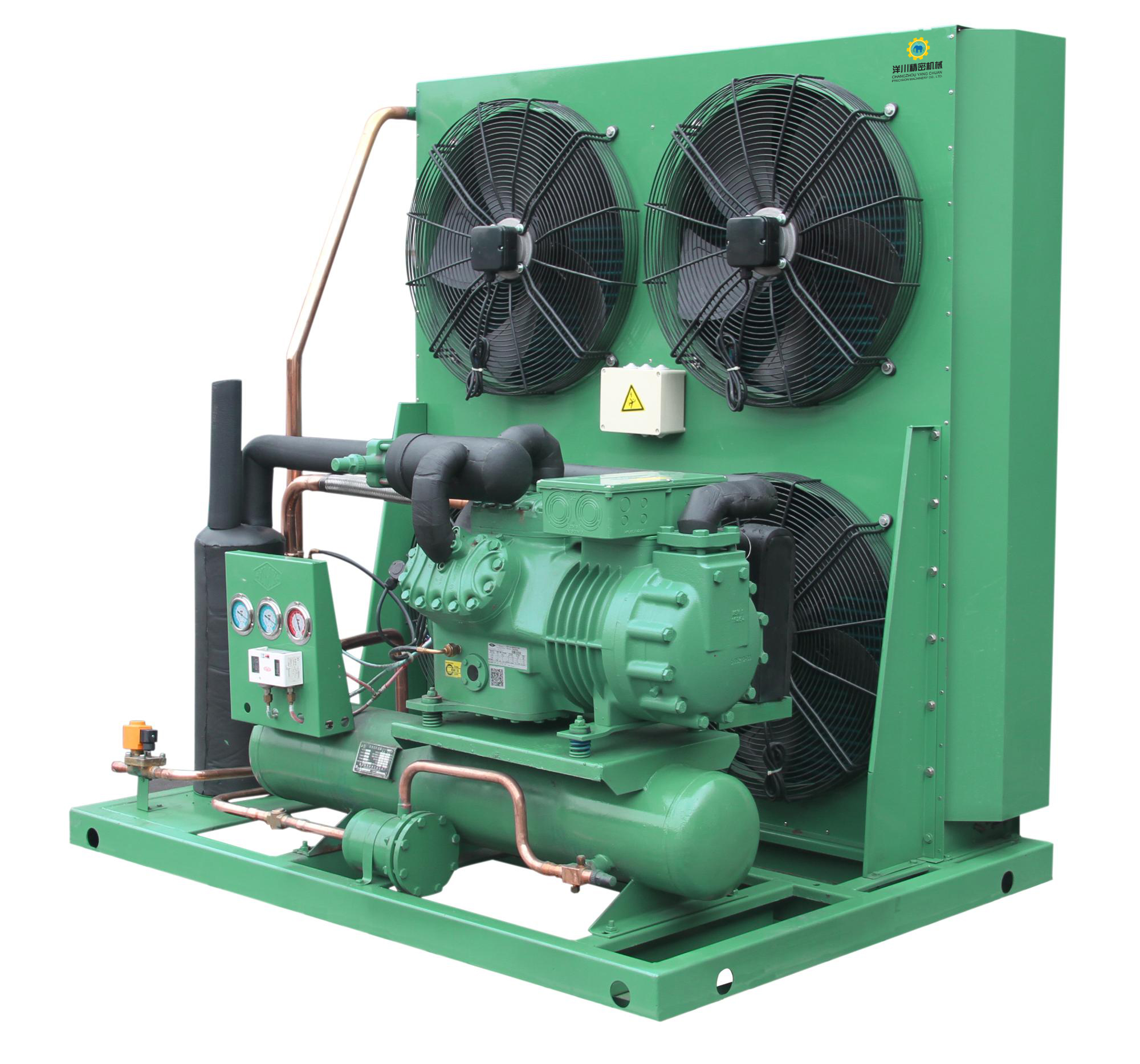
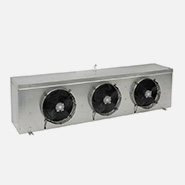
Features of a Commercial Cold Room The commercial cold rooms are equipped with advanced cooling systems that can maintain particular ranges, generally between -18 °C (0 °F) and 5 °C (41 °F), as per the type of goods stored. Freezing chambers are made for deep freeze, while refrigerated storage is used for chilled stuff. Exact temperature monitoring is crucial in ensuring that perishable commodities are being handled properly and that food safety regulations are followed.
Key Features of a Commercial Cold Room
Customization:
Commercial cold rooms also come in a range of customizable options depending on the storage needs of the business. These rooms can also differ in size, layout and refrigeration capacity, enabling them to accommodate different kinds of products under the appropriate conditions. For instance, a small restaurant might need a compact walk-in cold room, while a huge warehouse may need a larger cold storage solution with different temperature zones.
Insulation:
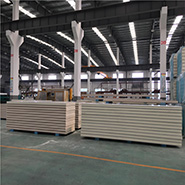
Cold rooms, on the other hand, are made of high-quality insulation materials like polyurethane / polystyrene panels that prevent heat loss and are able to retain certain temperatures. This insulation is critical for energy efficiency as it helps cut operating costs and helps reduce the load on the refrigeration system.
Access and Layout:
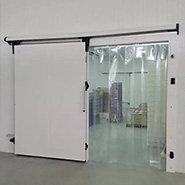
Commercial cold rooms are built with accessibility in mind, depending on the application. They often have oversized doors to facilitate the transfer of product, and some models feature shelving and racking systems to enable shipping and storage efficiency. Avalon Storage: High Capacity, Multi-Level Storage, Automated Operations
Energy Efficiency:
As cold rooms operate 24 hours a day, 7 days a week, energy consumption must be factored in. The best commercial cold rooms utilize energy-saving refrigeration systems that save costs over the long-term while increasing efficiency. To enhance energy efficiency, certain systems may incorporate additional technologies — like variable speed compressors, adaptive defrosting methods, and programmable controls.
What are the requirements for a cold room?
A cold room requires proper insulation (e.g., polyurethane panels), a reliable refrigeration system, airtight seals, durable flooring (e.g., epoxy or stainless steel), and temperature control systems. It must maintain consistent low temperatures, ensure energy efficiency, and comply with hygiene and safety standards. Adequate ventilation, lighting, and shelving are also essential for functionality and storage optimization.
What is the lifespan of a cold room?
The lifespan of a cold room typically ranges from 10 to 30 years, depending on construction quality, maintenance, and usage. Regular upkeep, such as cleaning, inspecting insulation, and servicing refrigeration systems, can extend its life. High-quality materials and proper installation also play a key role in ensuring durability and long-term performance.
Commercial Cold Rooms Applications
Food Industry:
Cold rooms are essential for storing food products like meat, fish, dairy, fruits, vegetables, and ready-to-eat meals; therefore, cold rooms are used in the food industry. Cold rooms are also used to store big volumes of fresh produce and frozen items by supermarkets and food retailers to ensure consumption safety.
Pharmaceuticals:
Some pharmaceutical products such as vaccines, medical supplies, and other temperature-sensitive drugs need controlled environments for storing. This also applies to pharmaceutical cold room storage in pharmaceutical warehouses and distributors which applies to help him maintain the efficacy of these products.
Restaurants and Catering:
Cold rooms are commonly used in restaurants, hotels and catering businesses to hold bulk food ingredients and meals. In commercial kitchens, where the preparation area is often extremely busy, cold rooms offer lots of room for collating while still providing easy and quick access to ingredients.
Logistics and Warehousing:
Commercial cold rooms are also used by logistics companies and warehouses engaged in distributing temperature-sensitive goods. These facilities are known as temperature-controlled or refrigerated storage facilities and they are capable of storing large quantities of goods that require a constant temperature in storage and transport.
Conclusion
An industrial cold room is a valuable addition to any business dealing with temperature-sensitive goods. From food service to pharmaceuticals and logistics, a dependable company can own the capability that is required to ensure product integrity, regulation compliance, and efficiency in the facility. Commercial cold rooms are solution to all the unique needs of modern business by providing customization, energy efficiency, and strict temperature control.
Recommended Products

Custom Walk-in Refrigerator Cooler Freezer Food Storage Containers Cold Room

Refrigeration Machine Cold Storage Room for Vegetable and Fruit Cold Room

Good Quality Cold Room Freezer Cold Room Cold Room Storage

High Performance cold room storage walk in cooler Big Capacity cold chiller room

Commercial Cold Storage Room Walk in Cooler

Custom Application Specific Walk in Coldroom For Sale

build & design Commercial Industrial Cold Storage room

Cold Storage Blast Freezer Room Walk In Cooler Storage Room For Meat

Cold Room Price For Meat Fruits Vegetables Fish Portable Cold Rooms


Recent News
1.What Is A Cold Storage for Vegetable and Fruit
2020-02-202.What Are Advantages Of Polyurethane Cold Room?
2020-01-223.How To Choose Air Cooled Cold Room And Water-Cooled Cold Room?
2020-02-184.Installation Method Of Refrigerating Compressor Unit In Industrial Cold Room
2020-07-095.What is Blast Freezer Cold Room
2020-11-266.What is Containerized Cold Storage Room
2021-07-16