




Cold Room Panels
 Jul 30, 2026|
 View:112
Choosing the Right Core: PU vs. PIR Cold Room Panels
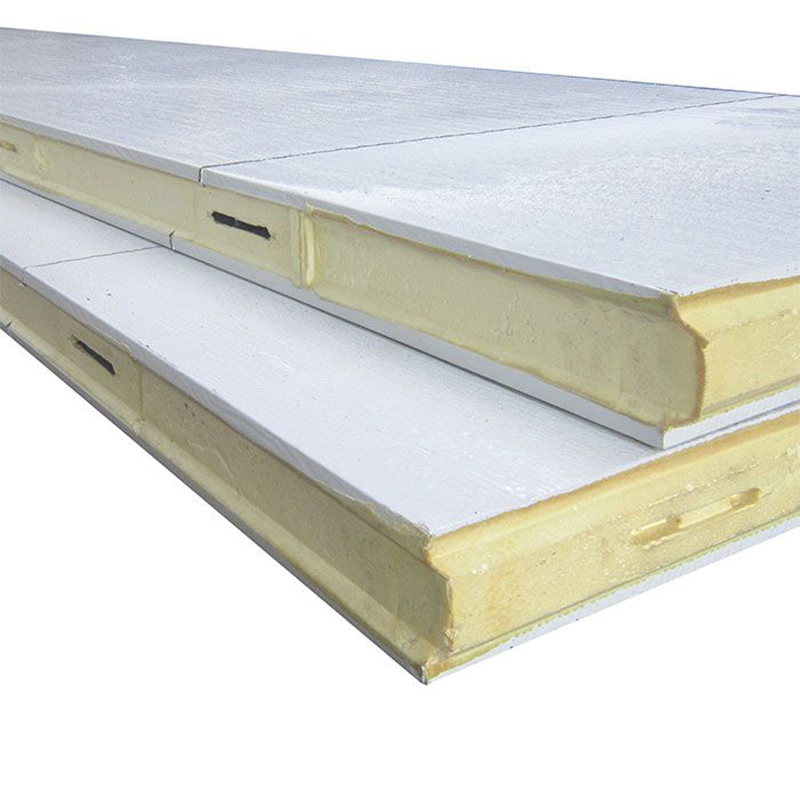
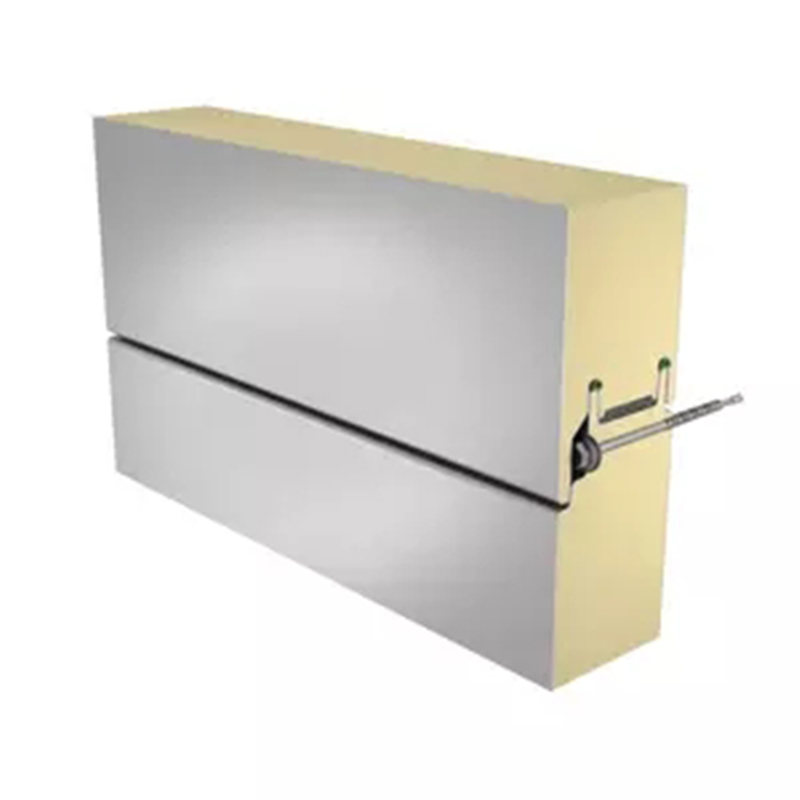
When constructing a cold storage facility, selecting the correct insulation panel is critical to ensuring energy efficiency, safety, and longevity.
Among the most popular options are panels with a Polyurethane (PU) core and those with a Polyisocyanurate (PIR) core.
While they appear similar, their chemical compositions lead to distinct performance differences.
Understanding the Core Materials
PU panels (Polyurethane) have been an industry standard for decades. This material offers excellent thermal insulation properties and strong structural integrity, making it a versatile choice for many applications.
Its closed-cell structure also provides low moisture absorption, which is vital for maintaining performance in humid environments.
PIR panels (Polyisocyanurate) are often considered a next-generation polyurethane. They share a similar base but are modified with a higher isocyanate content, which results in a more stable polymer structure.
This modification is key to their enhanced properties.
Key Differences
1. Thermal Performance
Both materials provide high levels of insulation, but PIR holds a slight edge. PIR typically offers a lower thermal conductivity (K-value) and higher R-value (thermal resistance) per millimeter of thickness compared to PU.
For large warehouses, this marginal efficiency difference can translate into significant long-term energy savings and reduced cooling loads. For example, PIR panels can achieve R-values of up to 2.4 at 50mm thickness, compared to 2.3 for PU.
2. Fire Resistance
This is the most critical differentiator. PIR panels significantly outperform PU in fire safety. While PU is combustible and can melt, producing dense smoke, PIR is thermosetting.
When exposed to fire, PIR forms a protective char layer that acts as a barrier,
delaying the spread of flames. This gives PIR a higher fire rating (often B-s1,d0 under EN13501) compared to PU’s moderate rating.
This makes PIR the preferred choice for facilities with strict safety compliance and insurance requirements.
3. Cost Considerations
PU panels generally have a lower upfront cost, making them a budget-friendly option for standard projects. PIR panels come with a slightly higher initial investment due to the more complex manufacturing process.
Conclusion
Choosing between PU and PIR hinges on your specific needs. For general-purpose cold rooms where budget is a primary concern, PU panels offer a reliable and cost-effective solution.
However, for freezers, large-scale logistics centers, or any application with stringent fire safety regulations, PIR panels are the superior investment, offering better thermal efficiency and enhanced safety that can justify the initial cost over the lifespan of the building.
Contact us today for a free consultation and see how a cold room investment can revolutionize your profitability. My whatsapp/wechat-Tony: +86 18915016089
 |  |


Recommended Products

Walk-in Cooler & Freezer, Cold Storage Warehouse

Custom Walk-in Refrigerator Cooler Freezer Food Storage Containers Cold Room

Custom Application Specific Walk in Coldroom For Sale

Cooling System Cold Storage panel Coldroom solar powered for fruits meat fish

Walk in coldroom store logistic warehouse blast freezer cold storage room for meat fish fruit and vegetable

Cold Room Price For Meat Fruits Vegetables Fish Portable Cold Rooms

Cold Storage Blast Freezer Room Walk In Cooler Storage Room For Meat

build & design Commercial Industrial Cold Storage room

Vegetable and Fruit Fresh-keeping Cold Room | Refrigerator Storage Room | Freezer Room Unit

Automatic Cold Storage Room Cool Freezing Refrigeration Freeze Cold Room


Recent News
1.Intelligent three - dimensional freezer has the following major characteristics
2019-10-282.Cold storage can be divided into the following types according to the structure of the storage body
2019-10-283.Main points of removing peculiar smell in cold storage
2019-10-284.Double - temperature cold room needs regular maintenance
2019-10-285.The process of freezing food
2019-10-286.Cold storage installation easy to be ignored
2019-10-287.Condenser action
2019-10-318.Compressor and condenser matching and selection
2019-10-319.Notes for compressor oil
2019-10-3110.Summary of common problems of Polyurethane Cold Room
2020-01-02