




Working Principle of an Evaporator in Cold Storage
 Dec 31, 2025|
 View:459
Working Principle of an Evaporator in Cold Storage
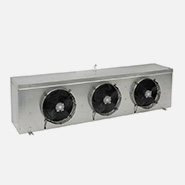
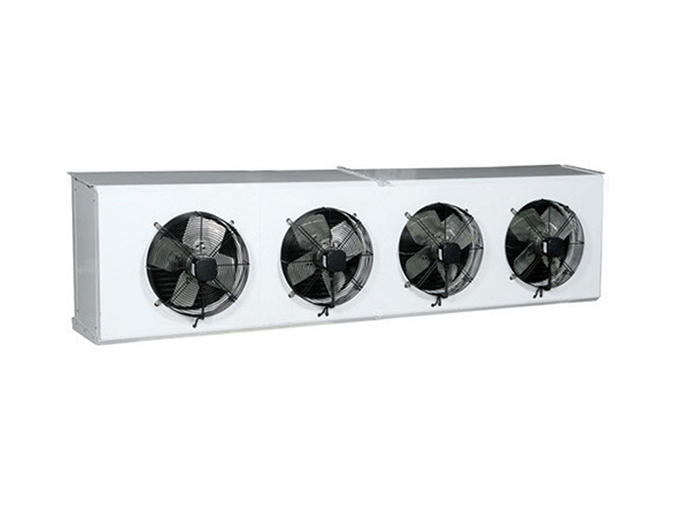
The evaporator, often called the air cooler or evaporator coil, is the heart of the heat absorption process inside a cold storage facility. Its primary function is to remove heat from the stored products and the internal air, thereby maintaining the required low temperature.
This is achieved through a phase-change cycle within the refrigeration system.
The process begins when high-pressure liquid refrigerant (such as R404A or NH₃) from the condenser enters the evaporator via an expansion device (a thermal expansion valve or capillary tube).
This device creates a severe pressure drop, causing the refrigerant to instantly expand, cool drastically, and partially vaporize into a low-pressure, low-temperature mixture of liquid and vapor.
This cold mixture enters the evaporator's coil network, typically made of copper or aluminum fins on copper tubing for efficient heat transfer. Warm air from the cold storage room is continuously drawn over these cold coils by one or more electric fans (evaporator fans).
As the air flows across the fins, its thermal energy (heat) is transferred to the much colder refrigerant inside the tubes.
Absorbing this latent heat causes the remaining liquid refrigerant inside the coils to **boil and completely vaporize, changing from a liquid to a gas.
This phase change is crucial, as it absorbs a significant amount of heat (latent heat of vaporization) with minimal temperature change in the refrigerant itself, making the process highly efficient.
The now-cooled and dehumidified air (as moisture in the air condenses and freezes on the coils) is blown back into the storage space, completing the air-side cycle.
The refrigerant, now a low-pressure, low-temperature vapor saturated with absorbed heat, exits the evaporator and is sucked back into the compressor.
The compressor then pressurizes this vapor, raising its temperature, and sends it to the condenser to reject the absorbed heat to the outside environment, restarting the cycle.
To maintain efficiency, evaporators require periodic defrosting. As they cool the air, moisture freezes onto the coils as ice, which insulates them and reduces airflow.
Automatic defrost cycles (via electric heaters, hot gas, or reverse-cycle methods) melt this ice, ensuring optimal heat transfer and consistent cooling performance within the cold storage room.
Contact us today for a free consultation and see how a cold room investment can revolutionize your profitability. My whatsapp/wechat-Tony: +86 18915016089
 |  |

Recommended Products

Walk-in Cooler & Freezer, Cold Storage Warehouse

Custom Walk-in Refrigerator Cooler Freezer Food Storage Containers Cold Room

Custom Application Specific Walk in Coldroom For Sale

Cooling System Cold Storage panel Coldroom solar powered for fruits meat fish

Walk in coldroom store logistic warehouse blast freezer cold storage room for meat fish fruit and vegetable

Cold Room Price For Meat Fruits Vegetables Fish Portable Cold Rooms

Cold Storage Blast Freezer Room Walk In Cooler Storage Room For Meat

build & design Commercial Industrial Cold Storage room

Vegetable and Fruit Fresh-keeping Cold Room | Refrigerator Storage Room | Freezer Room Unit

Automatic Cold Storage Room Cool Freezing Refrigeration Freeze Cold Room


Recent News
1.Intelligent three - dimensional freezer has the following major characteristics
2019-10-282.Cold storage can be divided into the following types according to the structure of the storage body
2019-10-283.Main points of removing peculiar smell in cold storage
2019-10-284.Double - temperature cold room needs regular maintenance
2019-10-285.The process of freezing food
2019-10-286.Cold storage installation easy to be ignored
2019-10-287.Condenser action
2019-10-318.Compressor and condenser matching and selection
2019-10-319.Notes for compressor oil
2019-10-3110.Summary of common problems of Polyurethane Cold Room
2020-01-02