




How to Choose the Right Refrigeration Unit for Your Cold Room: A Beginner’s Guide
 Apr 03, 2026|
 View:346
How to Choose the Right Refrigeration Unit for Your Cold Room: A Beginner’s Guide
Selecting the correct refrigeration unit for a cold room is crucial for preserving products, controlling energy costs, and ensuring long‑term reliability. Whether you are storing fresh produce, frozen meat, or flowers, the right “heart” of your cold room makes all the difference.
1. Know Your Temperature Range
First, define what you need to store.
Chilled rooms (0°C to 10°C) – for fruits, vegetables, dairy, and drinks.
Freezer rooms (-18°C to -25°C) – for meat, seafood, and ice cream.
The required temperature directly affects compressor size, insulation thickness, and defrosting method.
2. Calculate the Cooling Load
A common mistake is oversizing or undersizing the unit. The cooling load depends on:
Room dimensions (length, width, height)
Insulation quality (thickness and type of panels)
Ambient temperature (where the cold room is installed)
Product entering temperature and daily turnover
Door openings, lights, and people working inside
A professional load calculation (e.g., using software or a simplified formula) gives the required cooling capacity in watts or BTU/h. Never guess – calculate.
3. Choose the Compressor Type
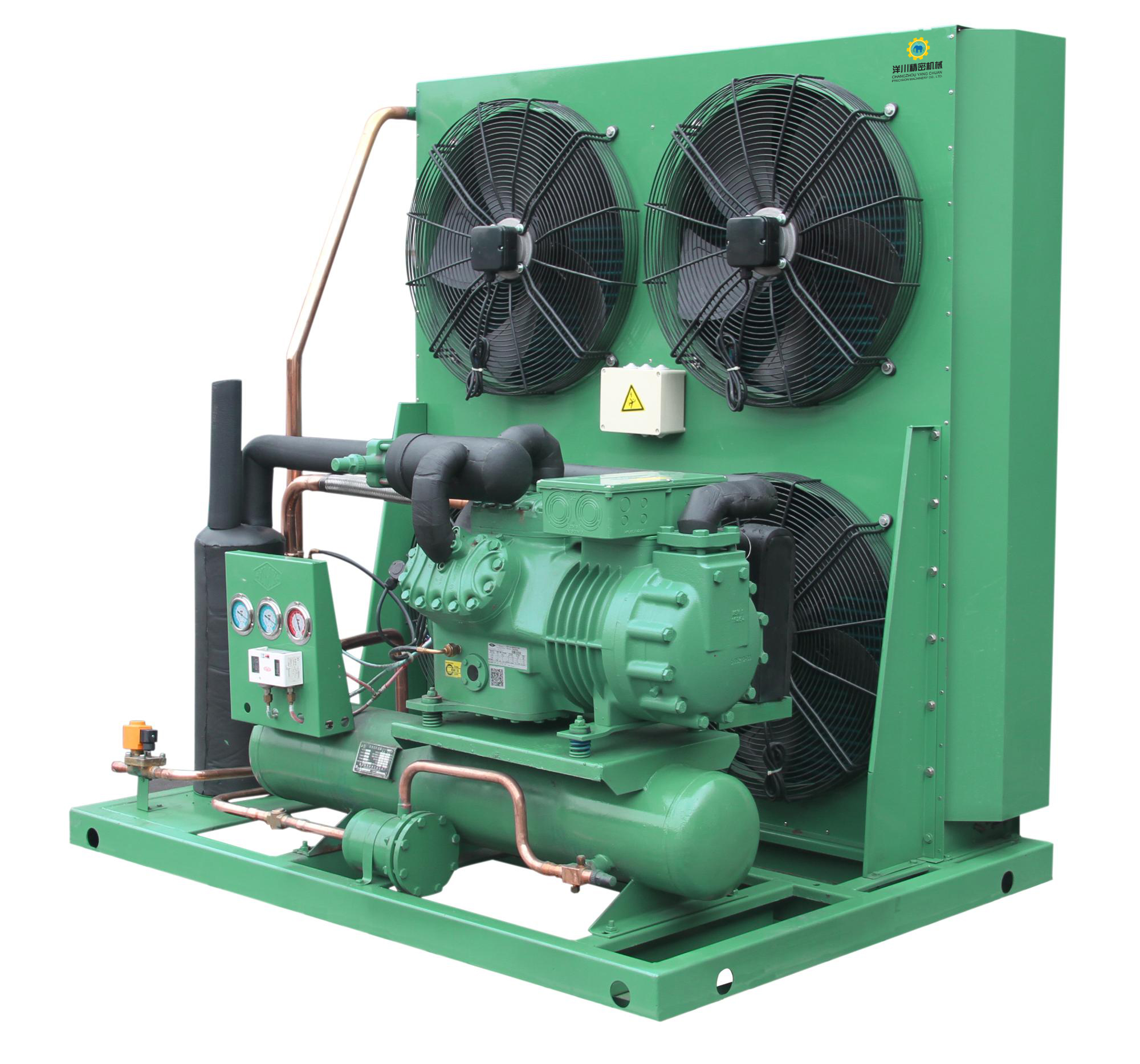
The compressor is the most critical component.
Reciprocating compressors – common for small to medium cold rooms; reliable and affordable.
Scroll compressors – quieter, more efficient, ideal for medium‑temperature applications.
Screw compressors – for large industrial freezers with high cooling demand.
For most standard cold rooms, a hermetic or semi‑hermetic reciprocating compressor works perfectly.
4. Match the Evaporator and Condenser
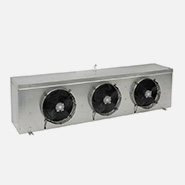
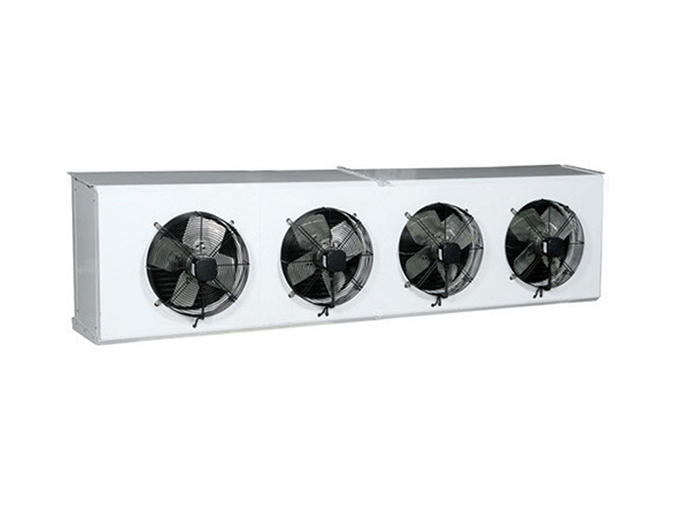
Evaporator (inside the room) – should have enough surface area to transfer heat evenly. Look for models with fans that distribute air properly and, for freezers, automatic electric defrost.
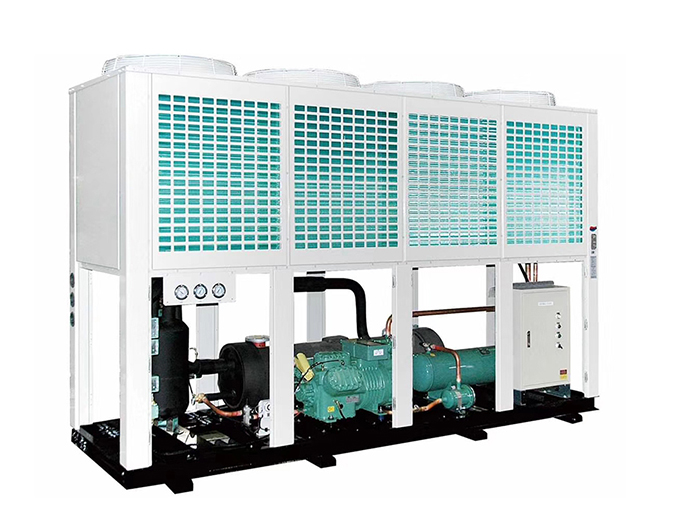
Condenser (outside) – air‑cooled is simplest and most common. Water‑cooled or remote condensers are used when outdoor space is limited or ambient temperatures are extreme.
5. Don’t Overlook Energy Efficiency
An energy‑efficient unit costs more upfront but saves money every month. Check the COP (Coefficient of Performance) or EER (Energy Efficiency Ratio). Inverter‑driven compressors adjust speed to match the load, reducing cycling losses – excellent for frequent door openings.
6. Safety and Controls
Modern units include a digital controller with temperature display, alarms, and defrost scheduling. For flammable refrigerants (like R290), ensure the unit is certified for safety.
Final Tip
Always consult a qualified refrigeration engineer. Provide them with your room dimensions, insulation details, product type, and expected usage. A properly selected unit will run efficiently, maintain stable temperatures, and last for 10–15 years with basic maintenance.
Remember: The cheapest unit is not the least expensive in the long run. Choose wisely, and your products – and your electricity bill – will thank you.
Mr. Bruce Zhuang
Cell/WhatsApp/WeChat: +86 189 6123 0696
Web: www.freezercold.com
Changzhou Yang Chuan Precision Machinery Co., LTD
Changzhou Mammoth International Trading CO., LTD
Add: LuoYang Town, Changzhou, Jiangsu Province CHINA 213176

Recommended Products

Walk-in Cooler & Freezer, Cold Storage Warehouse

Custom Walk-in Refrigerator Cooler Freezer Food Storage Containers Cold Room

Custom Application Specific Walk in Coldroom For Sale

Cooling System Cold Storage panel Coldroom solar powered for fruits meat fish

Walk in coldroom store logistic warehouse blast freezer cold storage room for meat fish fruit and vegetable

Cold Room Price For Meat Fruits Vegetables Fish Portable Cold Rooms

Cold Storage Blast Freezer Room Walk In Cooler Storage Room For Meat

build & design Commercial Industrial Cold Storage room

Vegetable and Fruit Fresh-keeping Cold Room | Refrigerator Storage Room | Freezer Room Unit

Automatic Cold Storage Room Cool Freezing Refrigeration Freeze Cold Room


Recent News
1.Intelligent three - dimensional freezer has the following major characteristics
2019-10-282.Cold storage can be divided into the following types according to the structure of the storage body
2019-10-283.Main points of removing peculiar smell in cold storage
2019-10-284.Double - temperature cold room needs regular maintenance
2019-10-285.The process of freezing food
2019-10-286.Cold storage installation easy to be ignored
2019-10-287.Condenser action
2019-10-318.Compressor and condenser matching and selection
2019-10-319.Notes for compressor oil
2019-10-3110.Summary of common problems of Polyurethane Cold Room
2020-01-02